Balasana (Child’s Pose)
What is Balasana (Child’s Pose)?
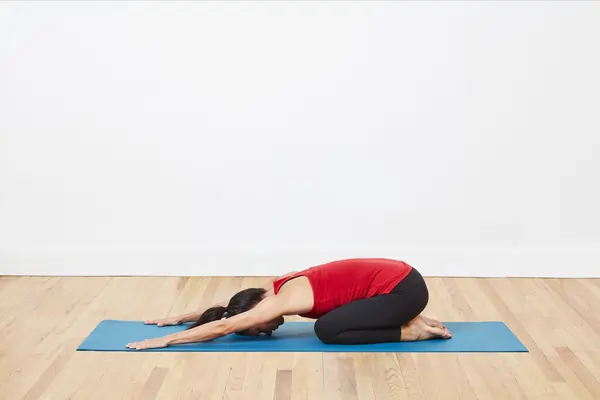
Child’s Pose, also called Balasana, is a peaceful kneeling yoga pose that stretches the spine, hips, thighs, and ankles while releasing tension and soothing the mind. In between or after difficult postures, it’s frequently used to unwind and reestablish a connection with the breath. It’s one of the most healing and beginner-friendly yoga positions.
Balasana: Overview
- Asana means “pose,” and bala means “child” in Sanskrit. As symbolised by its name, this position advocates for safety, trust, and surrender by mirroring a child’s natural resting position. It provides an opportunity to bond, ground, and soften, encouraging the same traits in adults. Pausing with awareness is more than just resting; it’s an active choice that serves as a reminder that stillness, not inaction, is a form of strength.
- Child’s Pose probably originated in the 20th century as modern yoga started to emphasise mindful movement, recovery, and the breath-body connection, as it isn’t mentioned in early texts like the Hatha Yoga Pradipika or Gheranda Samhita. As time went on, teachers came to use Balasana as a neutral, safe position for pausing, observing the breath, and repositioning the spine. By the middle of the 20th century, the universal gesture of “rest anytime you need to” had become a standard in Hatha and Vinyasa sessions.
- Child’s Pose is now the standard rest position in all styles of modern yoga, from gentle restorative classes to vigorous Vinyasa flows. It encourages mindful breathing and physically eases the hips and lower back. Mentally, it encourages the discharge of emotions and soothes the nervous system, particularly when props are used for longer holds.
- For many, Balasana becomes more than just a resting pose; it teaches the power of pause and the strength of softness, resetting the body and mind.
At A Glance:
- Sanskrit Name: बालासन (Balasana)
- Pronunciation: bah-LAHS-anna
- English Name: Child’s Pose, Resting Pose
- Pose Type: Resting / Forward Bend / Restorative
- Level: Beginner
- Duration: 30 seconds to 5+ minutes
Anatomy
Balasana involves the use of numerous muscles:
- Trapezius muscles
- Posterior deltoid muscle
- Rhomboids
- Erector spinae muscles
- Latissimus dorsi muscles
- Teres major muscles
- Oblique muscles
- Gluteus muscles
- Hip flexor muscles
Benefits of Balasana (Child’s Pose)
Child’s Pose, also known as Balasana, is a full-body stretch that enhances flexibility, eases back and hip stress, and soothes the mind. Its soft forward fold facilitates relaxation, aids with digestion, and replenishes energy following physical or psychological strain.
Physical Benefits of Balasana
- Back pain relief: Your spine naturally lengthens when you fold forward, reducing stiffness and lower back pain caused by prolonged sitting.
- Hip and thigh opening: By focusing on the hip joints, inner thighs, and quadriceps, the flexion helps to release tension in areas that have become stiff from inactivity.
- Release of the neck and shoulders: When the arms are outstretched, the upper back and shoulders are gently opened.
- Boost circulation: The slight inversion increases blood flow to the brain, promoting renewal and alertness.
- Digestive support: Light compression of the abdomen stimulates natural digestion and lessens bloating by massaging interior organs.
- Menstrual comfort: During the menstrual cycle, applying light pressure to the lower abdomen helps reduce cramps and encourage relaxation.
Mental & Emotional Benefits
- Decreases stress hormones and heart rate by triggering the parasympathetic nervous system.
- Relieves mental fatigue: During busy days, a brief Balasana break can act as a brain reset.
- Encourages introspection: Folding forward inherently draws focus inside, fostering emotional equilibrium and self-awareness.
- Encourages emotional release: This pose’s gentle surrender aids in releasing pent-up stress and anxiety.
- Enhances the quality of your sleep: Child’s Pose soothes your nervous system and gets you ready for restorative slumber.
Therapeutic & Holistic Applications
- Stress reduction: Regular practice may lower cortisol levels, strengthening general resistance to worry.
- Relief from headaches and migraines: Acupressure-like stimulation is produced by pressing the forehead against the mat, which promotes relaxation.
- Support for weariness and anxiety: Balasana uses attentive breathwork to counteract weariness and restore mental clarity.Prenatal modification: During pregnancy, the wide-knee child’s pose with bolsters offers emotional stability and comfort.
How to Do Balasana (Child’s Pose): Step‑by‑Step Guide
Part 1: Preparing for Child’s Pose
Warm up your shoulders, hips, and spine with these easy exercises before easing into Child’s Pose.
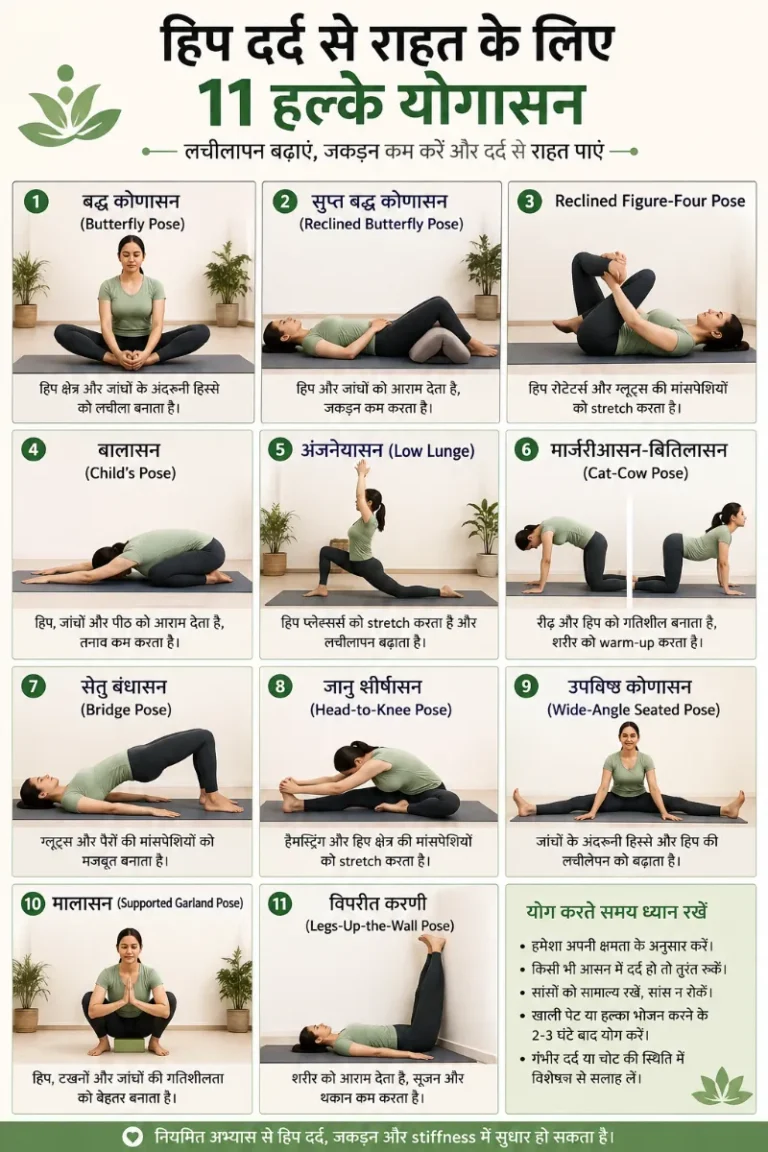
Cat-Cow Pose (Marjaryasana–Bitilasana)
- Prepares the back for the gentle rounding in Child’s Pose by warming up the spine, relieving stiffness, and establishing a connection between movement and breath.
- Start in a tabletop position.
- Drop your belly, raise your chest, and look ahead while taking a breath (Cow Pose).
- Tuck your chin into your chest and round your spine toward the ceiling as you exhale (Cat Pose).
- Do 5–8 rounds.
Thread the Needle (Parsva Balasana)
2. Helps the body release tension before folding inward by opening the upper back and shoulders.
- Start in tabletop position.
- As you exhale, place your right shoulder and temple on the mat and move your right arm under your left, palm facing up.
- Keep your hips raised and your left hand either extended forward or lightly pressed into the mat.
- After 5–8 breaths of holding, switch sides.
Seated Forward Fold (Paschimottanasana)
3. Prepares the body to remain motionless and at ease in Balasana by stretching the hamstrings and back.
- Stretch your legs straight out in front of you while you sit.
- Take a breath, extend your arms above your head, and lengthen your back.
- Reach for your feet or shins without straining as you exhale and tilt forward from your hips.
- Maintain a long spine and steady breath for five to eight breaths.
Part 3: Alignment & Comfort Tips
- If your chest or tummy feels constricted, keep your knees broader.
- If you are unable to comfortably reach the floor, place a pillow or block beneath your chest or forehead.
- Roll a cloth around your ankles if they are tense.
- When you stretch your arms, loosen your elbows a little to prevent hurting your shoulders.
- Never push a deeper stretch; always move in time with your breath.
- Learn Child’s Pose step-by-step with a coach. Book a free 1-on-1 session today!
Common Mistakes:
- If your knees are too close to each other, your hips and lower back may become excessively stiff.
- Shoulder and lower back pain can result from excessive folding of the chest. Using your breath and a small portion of your arms, gradually lower your chest.
- Hold your breath during the pose.
- Don’t make knee distress adjustments.
FAQs
What is balasana known as?
Child’s Pose, also known as Balasana in Sanskrit, is a calming and simple yoga pose that is frequently used as a transition between more demanding poses. The stance earned its name because a toddler may curl up into a ball when they are tired or seeking comfort.
Is Balasana good for back pain?
Sure. Balasana is a helpful remedy for mild to severe back pain since it gradually stretches and relaxes the lower back. It is often recommended for back health in yoga.
Who cannot do Balasana?
The Balasana with a bolster can be extremely uncomfortable, which is definitely not what you want if you have undergone knee, ankle, or hip surgery. The Balasana with a Bolster is impossible for anyone with weak knees or ankles.
What is the main benefit of balasana?
Child’s Pose, also known as Balasana in Sanskrit, is a calming and simple yoga pose that is frequently used as a transition between more demanding poses. It eases tension, increases flexibility, sharpens the mind, and relaxes the neurological system. Furthermore, it promotes better breathing and relaxation.
Is balasana good for diabetes?
Balasana is one of the finest yoga poses for treating diabetes naturally. It helps reduce tension and eases back, neck, and rotator muscle pain. It also encourages hamstring and spinal extensor relaxation to boost the production of insulin-producing beta cells.
References:
- Allen, W. (2026a, March 24). Balasana. https://myyogateacher.com/yoga-asana/balasana
- Dr.Manasvi Patel. (2025). Balasana (Child Pose) – How to perform, Benefits, Variations. Physiotherapy Treatment and Exercises at Home. https://homephysiotherapyexercises.com/balasana-child-pose/
- Yoga Journal. (2025d, July 3). Child’s pose. https://www.yogajournal.com/poses/child-s-pose/
- Yacep, L. B. E. 5., & Yacep, L. B. E. 5. (2023, June 18). 13 Child’s Pose Variations For More Comfort, A Deeper Stretch, & Creative Flows. Yogajala. https://yogajala.com/childs-pose-variations/
16 Comments