Yoga For Arthritis In The Hands
Introduction
Having arthritis doesn’t mean you have to stop moving; in fact, one of the best methods to deal with joint pain and stiffness is to practice moderate, mindful exercises like yoga. Yoga for arthritis respects your body’s limitations while providing a low-impact method for preserving flexibility, building muscles surrounding afflicted joints, and lowering inflammation.
The secret is to select safe yoga positions that promote joint health without exacerbating existing pain or symptoms.
What Is Hand Arthritis?
Although we tend to link arthritis with aging, symptoms can start in your 40s. Common reasons include overuse or repeated movements, dislocations, and fractures.
A slick fluid called synovial fluid covers the ends of the bones where the joints meet in healthy joints, enabling smooth movement. The synovial fluid lubricates the cartilage. Pain and swelling result from the bones rubbing against one another and the synovial tissue becoming sticky as the cartilage deteriorates and wears away. Although arthritis can affect any of the hand’s 27 bones, it most frequently affects the base of the thumb and the joint nearest the fingertips.
Your doctor may recommend anti-inflammatory drugs to help manage the discomfort. Additionally, yoga hand movements can improve the production of synovial fluid, maintain the flexibility of tendons and ligaments, and strengthen the muscles supporting the joints.
Understanding Arthritis and the Role of Yoga
Millions of individuals worldwide suffer from arthritis, which results in joint pain, inflammation, stiffness, and decreased range of motion. Both rheumatoid arthritis and osteoarthritis, the two most prevalent forms, benefit from mild exercise that doesn’t put undue strain on the joints.
Because yoga has three key components—gentle stretching to preserve flexibility, strengthening to improve joint stability, and breathing methods to assist in managing pain and reduce stress—it is very effective for managing arthritis. In contrast to high-impact workouts, yoga lets you move at your own speed and adjust positions to suit your comfort level.
Benefits of Yoga for Arthritic Joints
Physical Benefits
There are several benefits to doing yoga for joint pain. Your range of motion, which is frequently restricted by arthritis, is preserved and even enhanced by the mild stretching. By strengthening the muscles around joints, strengthening poses relieve strain on injured bone and cartilage.
Additionally, weight-bearing yoga postures promote bone density, which is crucial for those with rheumatoid arthritis who may be more prone to osteoporosis. Many yoga poses require balance, which helps preserve coordination and prevent falls.
Mental and Emotional Wellness
Mental health is negatively impacted by chronic pain. The anxiety and stress that frequently accompany arthritis can be reduced by yoga’s emphasis on breathing and awareness. By promoting body awareness, the exercise helps you differentiate between beneficial stretching and detrimental tension.
After adding yoga to their regimen, many people with arthritis report feeling less defined by their illness and more powerful. No matter how altered, the feeling of achievement that comes from finishing a practice boosts confidence and elevates happiness.
Safe Yoga Poses for Arthritis in the Hands
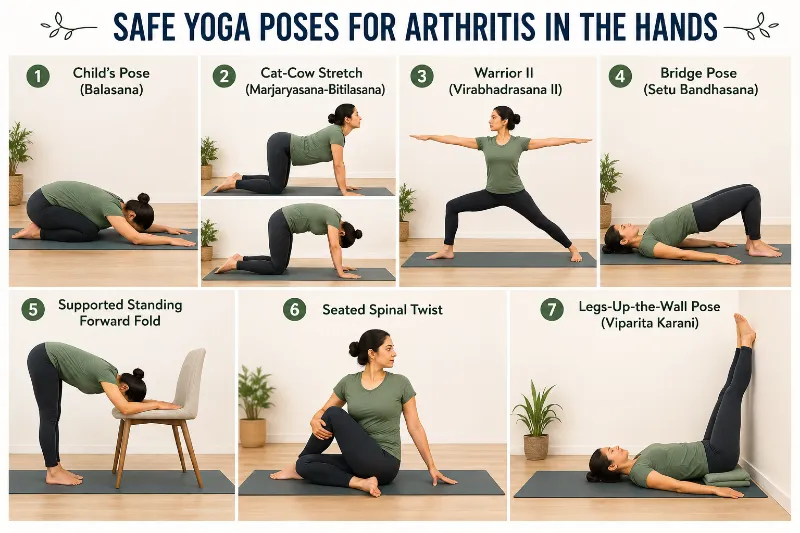
The objective of choosing yoga poses for arthritis is to promote joint health while avoiding poses that put excessive stress or rotate the joints. The following are a few of the most useful and safe poses:
Child’s Pose (Balasana)
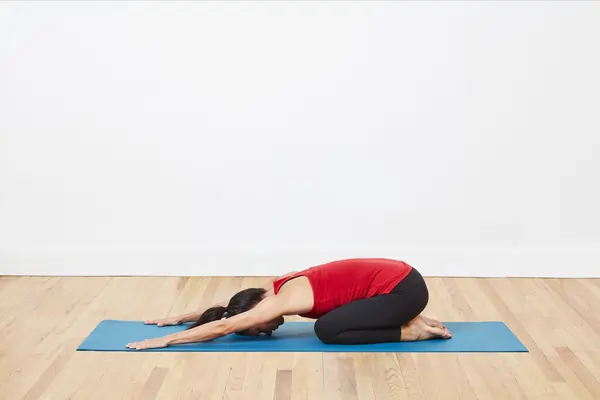
Without putting undue strain on the joints, this mild resting position stretches the lower back, thighs, and hips. It’s a great position for relaxing the nervous system and taking pauses during practice. For additional padding, tuck a folded blanket between your hips and heels or under your knees.
- You can kneel with your knees slightly apart or together.
- Take a seat back on your heels.
- Put your forehead on the ground and bend forward.
- You can either maintain your arms at your sides or extend them forward.
- For 20 to 30 seconds, relax and take calm breaths.
- Go back to the beginning position slowly.
Cat-Cow Stretch (Marjaryasana-Bitilasana)
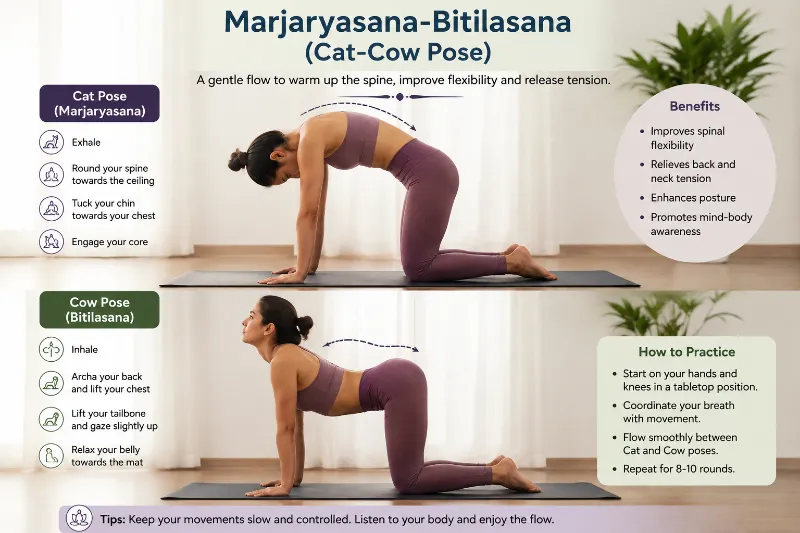
The spine is softly mobilized, and the core muscles are strengthened by this flowing action. The rhythmic motion is completely adaptable to your comfort level and helps ease neck and back tightness. Only move within a pain-free range and at a gentle pace.
- Begin on your hands and knees, placing your knees behind your hips and your wrists under your shoulders.
- Inhale: Lift your chest and tailbone, drop your stomach, and raise your head slightly (Cow).
- Exhale by drawing your tummy in, rounding your back, and tucking your chin into your chest (Cat).
- Go between the two locations smoothly and gently.
- Coordinate each movement with your breath as you repeat eight to ten times.
Warrior II (Virabhadrasana II)
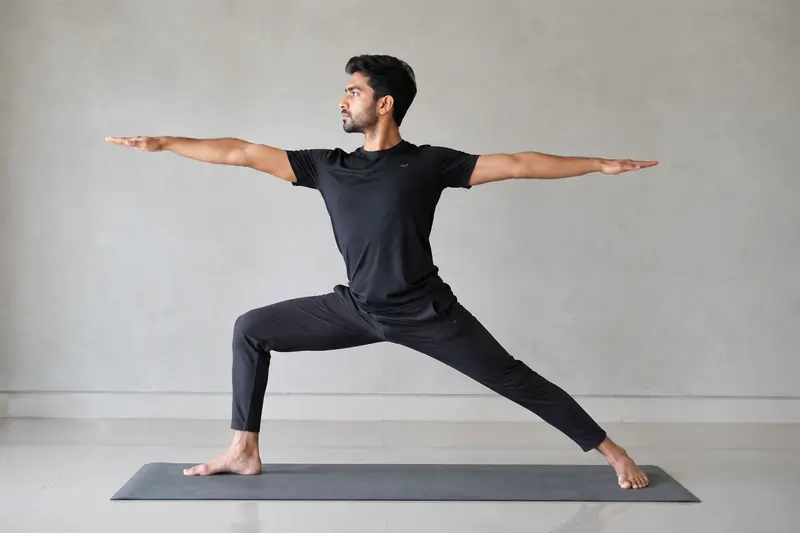
A modified Warrior II expands the hips and strengthens the legs without putting undue strain on the joints. As opposed to going too far, keep your front knee over your ankle. This position enhances balance and strengthens the knee and hip joints.
- Place your feet widely apart as you stand.
- Keep your left foot slightly inward while turning your right foot outward.
- Keeping your left leg straight, bend your right knee over the ankle.
- With the palms facing down, extend both arms to shoulder height.
- Look over your right fingers while keeping your chest up.
- After 20 to 30 seconds of holding, switch sides.
Bridge Pose (Setu Bandhasana)
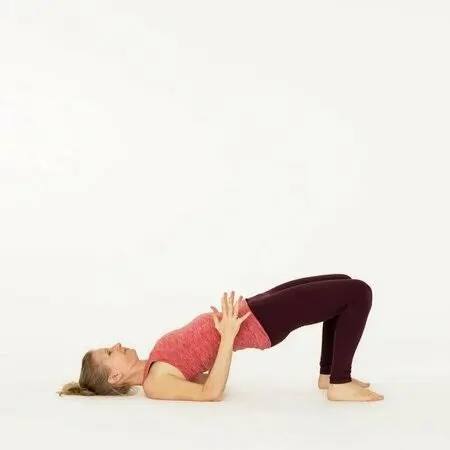
The glutes, hamstrings, and lower back muscles that support the hips and spine are strengthened by this mild backbend. If required, position a block under your sacrum for support as you begin with a little raise. The forward-leaning posture that many arthritis sufferers adopt is countered by this position.
- Lie on your back.
- Keep your feet flat on the ground while your knees are bent.
- Keep your arms by your sides and your feet hip-width apart.
- Lift your hips softly while pressing your feet onto the ground.
- Keep your feet and shoulders straight and firm.
- Hold while breathing normally for 15 to 30 seconds.
- Return your hips to the floor slowly.
Supported Standing Forward Fold
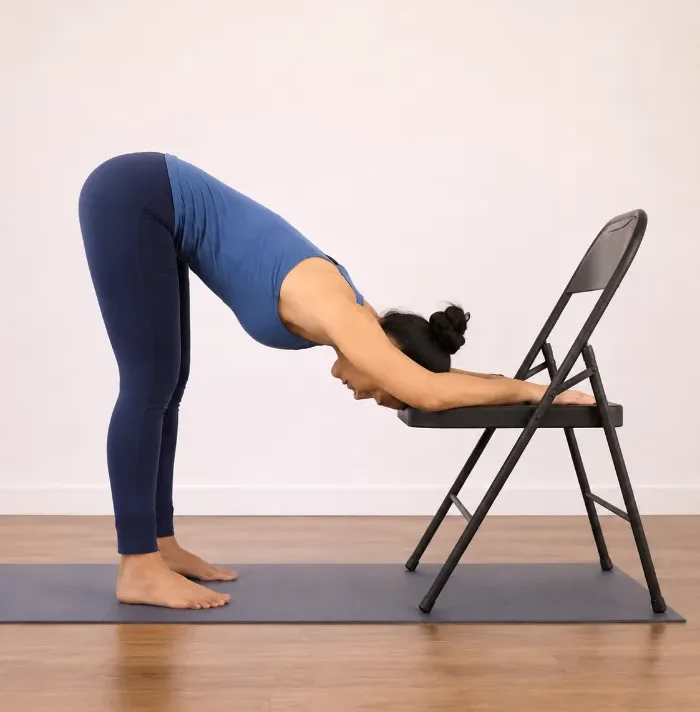
This modified forward fold gently stretches the lower back and hamstrings while using a chair or blocks for support. The support lets you fully regulate the depth of the stretch while relieving pressure on the knees.
- Start with your feet hip-width apart in Mountain Pose (Tadasana).
- Evenly grind the base of the big toes, the heels, and the outside margins of the feet.
- To relax, lengthen your spine, soften your shoulders, and take two to three deep breaths.
- Gently raise your chest and make room in the front of your body when you inhale. Hinge forward from your hips rather than your lower back as you release the breath. Allow your body to shift toward your thighs and bend your knees as far as required.
- Depending on how flexible you are, place your hands on the floor, yoga blocks, shins, or thighs. As opposed to letting the weight fall onto your hands, keep it firmly planted in your feet. Release tension in your shoulders and jaw by letting your head and neck fully relax.
- Imagine your torso expanding forward as you slowly lengthen your spine with each breath. Soften further into the fold without pushing with each breath. Ease and release, not depth, are the objectives.
- Breathe evenly and gently while holding the stance for 30 seconds to 2 minutes. While keeping your lower back comfortable, feel the stretch around the back of your legs and spine.
- To come out, press forcefully through your feet, flex your knees, and use your core.
- One vertebra at a time, slowly roll up to standing, raising the head last. Before continuing, take a few deep breaths in Mountain Pose.
Seated Spinal Twist
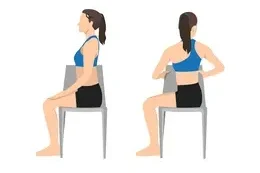
Back stiffness can be relieved and spinal mobility preserved with gentle twisting. If you find it difficult to go down to the floor, try this position while sitting in a chair. Move only as far as is comfortable; never try to twist.
- With both feet flat on the ground, take an upright seat on a chair.
- Keep your shoulders relaxed and your knees hip-width apart.
- Put your hands across your chest or across your thighs.
- With your hips pointing forward, slowly turn your upper body to the right.
- Without pushing your neck, slowly turn your head in the same direction.
- Breathe normally while holding the stretch for 15 to 30 seconds.
- Slowly return to the beginning position.
- On the left side, repeat.
- Repeat two to three times on each side.
Legs-Up-the-Wall Pose (Viparita Karani)
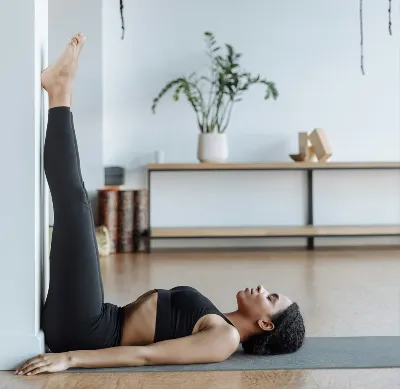
This restorative position is totally passive and lowers edema in the feet and legs. It is quite effective in lowering inflammation and requires little effort to hold for several minutes.
- With your hip near the wall, take a sideways seat.
- Swing your legs up against the wall and slowly lie back.
- Make sure your legs are relaxed and pleasantly straight.
- With your palms facing up, place your arms at your sides.
- Your belly, neck, and shoulders should all be relaxed.
- For five to ten minutes, hold the posture while taking deep, calm breaths.
- Roll onto your side and bend your knees to emerge.
- After a little while of rest, carefully sit up.
Important Advice for Yoga Practice with Arthritis
Start Slowly and Listen to Your Body
As your body adjusts, gradually increase the amount of time you spend doing easy yoga, starting with only ten to fifteen minutes. Your body uses pain as a warning message, so if a posture hurts, stop right away and attempt an alternative position or adjustment.
Timing Matters
When your body feels most comfortable, practice. Although your ideal time may vary, many people with arthritis find that mild morning yoga reduces stiffness. It is best to relax during acute inflammation; avoid practicing during flare-ups.
Warm Up Properly
Never use cold joints to leap into positions. Start each workout with simple neck stretches, ankle circles, and shoulder rolls. Warm joints and muscles are more flexible and less likely to experience damage.
Focus on Breathing
To stay in the moment and prevent pushing too hard, coordinate your breathing with your activity. Additionally, deep breathing stimulates the parasympathetic nervous system, which lessens pain perception and encourages relaxation.
Poses to Avoid or Modify Carefully
Although there are many advantages to yoga, several positions may put excessive stress on arthritic joints:
High-impact changes: Jump-backs and jump-throughs can cause joint damage. Instead, walk through.
Deep knee bends: Deep lunges and full squats might make knee arthritis worsen. Keep your bends supported and shallow.
Extended weight-bearing on the wrists: Wrist joints may be stressed by poses like Downward Dog. Practice against a wall or make changes to your forearm.
Extreme backbends: The spine may be compressed by deep backbends. Continue using supportive, gentle versions.
Forceful twists: Never use your arms to force yourself into a twist. Let your breath determine the depth as you slowly move.
How to Make Your Yoga Practice Arthritis-Friendly
Gentle warm-up exercises, a number of standing poses for strength, sitting stretches for flexibility, and restorative postures for relaxation are all part of a well-rounded arthritic practice. A normal 20–30 minute sequence might consist of:
- Breathing techniques (3–5 minutes)
- Five minutes of gentle warm-up exercises
- Standing positions with modifications (8–10 minutes)
- Gentle twists and stretches while seated (5-7 minutes)
- Five minutes of relaxation and restorative positions
Important Concepts
- By increasing flexibility, developing supporting strength, and lowering inflammation, yoga provides a gentle, efficient method of managing arthritic symptoms.
- Child’s Pose, Cat-Cow, modified Warrior II, Bridge Pose, and supported forward folds are safe yoga positions for those with arthritis.
- Always utilize props to change positions, and stay away from motions that hurt your joints.
- Avoid yoga during severe flare-ups and practice when your body feels most comfortable.
- Shorter, more frequent sessions are preferable since consistency is more important than intensity.
- Collaborate with knowledgeable educators who are familiar with arthritis and can advise appropriate adjustments.
- To improve pain management and lower stress, concentrate on breathing and mindfulness.
- Pay attention to your body and keep in mind that yoga shouldn’t cause joint pain.
FAQs:
How to naturally heal arthritis in hands?
Although there is no known treatment or cure for arthritis, you may naturally manage pain and improve hand function using temperature therapy, light exercises, and lifestyle changes.
What is the best vitamin to take for arthritis in your hands?
Vitamin D and Omega-3 fatty acids, such as fish oil, are the most beneficial for maintaining bone health and lowering joint inflammation, but there isn’t a single greatest vitamin for treating arthritis.
What is the fastest way to treat arthritis?
Over-the-counter nonsteroidal anti-inflammatory medicines (NSAIDs), such as naproxen or ibuprofen, offer the quickest relief in joint pain; however, there is no immediate treatment for arthritis.
Which fruit is good for arthritis?
Citrus fruits, berries, cherries, and other fruits high in antioxidants and vitamin C are excellent for reducing inflammation and pain associated with arthritis.
Which home remedy is best for arthritis?
One of the greatest and quickest home treatments for short-term arthritis pain relief is to use hot and cold therapy.
References:
- Sancheti, P. (2026, January 30). Safe Yoga for Joint Pain & Arthritis Relief | Sancheti Pune. Sancheti Orthopaedic Hospital. https://sanchetihospital.org/blog/yoga-for-arthritis-safe-asanas-to-improve-flexibility-without-pain/
- Jannyca. (2023, October 20). 5 yoga hand exercises for mobility and ease. YogaUOnline. https://yogauonline.com/yoga-and-healthy-aging/yoga-for-arthritis/5-yoga-hand-exercises-for-mobility-and-ease/
- Rowan, S. (2026, August 16). Yoga for arthritis: Gentle poses and modifications. Golden Buddha Yoga. https://goldenbuddhayoga.com/yoga-for-arthritis/