Viparita Karani (Legs Up The Wall Pose)
What Is Viparita Karani (Legs Up The Wall Pose)?
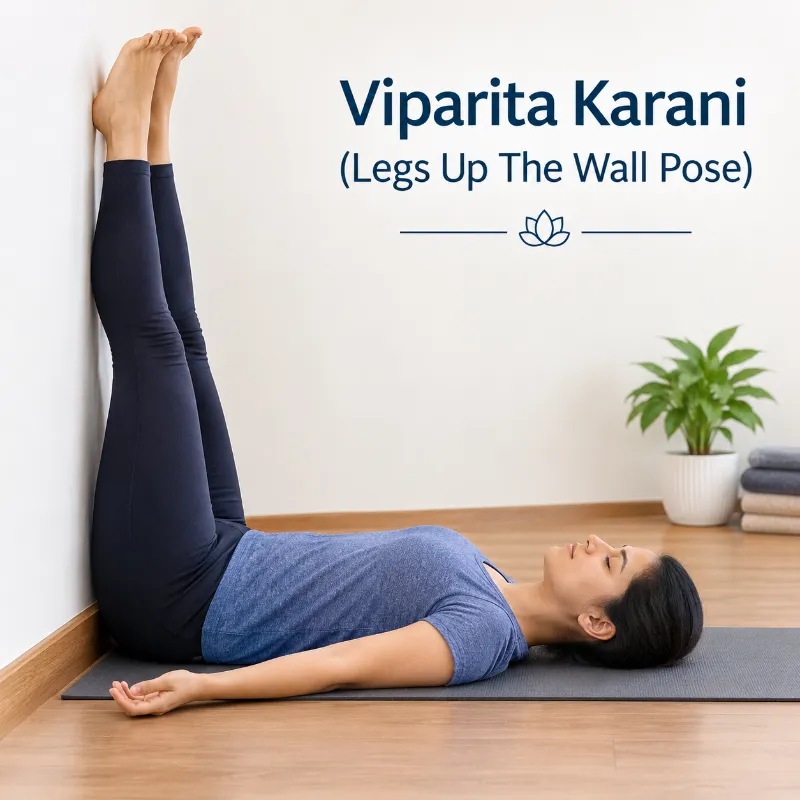
Legs Up the Wall Pose, also known as Viparita Karani, is a mild, healing inversion in which you lie on your back with your legs up against a wall. Pronounced vip-par-EE-tah car-AHN-ee, this straightforward pose promotes deep, effortless relaxation, relaxes the nervous system, and improves circulation.
This pose is great for:
- Anyone dealing with stress, burnout, or mental fatigue
- Working professionals with tired, heavy, or swollen legs
- Beginners who want a simple pose that delivers big benefits
- People seeking evening relaxation or a bedtime routine
Overview and Meaning of Viparita Karani
Viparita Karani is derived from two Sanskrit terms: Karani, which means “action” or “doing,” and Viparita, which means “inverted” or “reversed.” When combined, they mean “the inverted action,” which describes the mild reversal of circulation and energy that occurs when your legs are raised.
Viparita Karani is described as both a mudra (energetic seal) and an asana (physical posture) in ancient yoga books, such as the Hatha Yoga Pradipika. It has historically represented longevity, vitality, and the capacity to view life in a new light.
In order to make the traditional position safer, simpler, and more healing, the contemporary wall-supported variant was created. This gentle form, which makes use of supports, comfort, and quiet, became popular in the 20th century thanks to restorative yoga instructors, particularly Judith Hanson Lasater. Viparita Karani is now commonly used in Hatha, Yin, and Restorative yoga for peaceful relaxation, improved sleep, and stress management.
At a Glance
- Sanskrit Name: विपरीतकरणी (Viparita Karani)
- Pronunciation: vip-par-EE-tah car-AHN-ee
- English Names: Legs-Up-the-Wall Pose, Inverted Lake Pose
- Pose Type: Passive inversion, restorative, supine
- Level: Beginner (all levels)
- Duration: 5–20 minutes
- Best Time: Evening, before bed, after work
- Principal Advantages: Enhances blood flow, decreases oedema, eases anxiety, and promotes sleep
- Chakras: Root & Crown (balancing, grounding, soothing)
- Props Needed: Wall, optional bolster/blanket
Benefits of Viparita Karani
At the conclusion of the day, this pose helps you shift into a calmer, more peaceful state by relieving fatigued legs, calming the nervous system, and removing mental weariness. It functions as a reset button for the body.
Circulatory & Physical Benefits
Gravity’s normal downward pull on your circulatory and lymphatic systems is reversed when your legs are raised, allowing blood and lymph to return to your body.
- Relieves heavy, exhausted legs from prolonged sitting or standing.
- Reduces swelling and oedema in lower legs and ankles
- Supports lymphatic drainage and natural detoxification
- Eases pressure on varicose veins
- Relaxes the lumbar muscles to relieve lower back stress.
- Gently stretches hamstrings and calves without pulling
- Reduces menstrual cramps through lower abdominal softening
- Improves digestion by calming the abdominal region
- Helps reduce headaches and mild migraines
Mental & Nervous System Benefits
Because it puts your body in the parasympathetic nervous system, the “rest-and-digest” mode that promotes relaxation, healing, and recuperation, this position is incredibly calming.
- Profound stress reduction within minutes
- Helps relieve anxiety, overwhelm, and emotional heaviness
- Improves sleep quality when practised before bed
- Quiets an overactive mind
- Lowers heart rate and blood pressure naturally when practised regularly
- Supports recovery from burnout and chronic fatigue
- Helps slow racing thoughts
- Prepares the mind for meditation or breathwork.
Energetic & Spiritual Benefits
This pose produces a feeling of spaciousness and grounding on an energetic level.
- Balances all seven chakras
- Grounds the Root Chakra, promoting emotional stability
- Opens the Crown Chakra for mental clarity
- Reverses energy flow to refresh the mind
- Traditionally viewed as a longevity and anti-ageing practice
Therapeutic Applications
Many therapeutic yoga programs use Viparita Karani to address issues related to contemporary lifestyles. It can assist:
- Chronic stress and anxiety
- Insomnia and sleep disturbances
- Mild depression
- Jet lag and fatigue
- Restless leg syndrome
- Chronic Fatigue Syndrome
- Varicose veins and circulatory issues
- Chronic lower back pain
- Headaches and migraines
- PMS, menstrual discomfort, and menopause symptoms
- Schedule a free one-on-one session with a qualified yoga instructor for individualised advice and restorative support.
How to Do Viparita Karani: Step-by-Step Guide
Part 1: Preparing for the Pose
You may more easily relax into Legs Up the Wall Pose if you have the proper setting. Locate a quiet, cosy area where you won’t be disturbed for ten to twenty minutes. For cushioning, you can position a yoga mat perpendicular to the wall, although carpet or a soft floor also works well.
- What You’ll Need
- A wall
- Optional props:
- Bolster or firm pillow (for hips)
- Blanket (for head support or warmth)
- Eye pillow (to block light)
- Strap (to support legs if they fatigue easily)
Finding Your Distance From the Wall (string flexibility:
- Tight hamstrings: 12–18 inches away
- Moderate flexibility: 6–12 inches
- High flexibility: 3–6 inches
- Only get closer if it feels comfortable; start farther away.
Best Time to Practice
- Evening/before bed: 10–20 minutes
- After work: 5–10 minutes to unwind
- Post-exercise or long walks: 10–15 minutes for recovery
- This pose is perfect for relieving tension and calming weary legs since it automatically puts the body into relaxation mode.
Part 2: Step-by-Step Instructions
- Put your yoga mat in front of the wall. Place the bolster 6 to 12 inches away from the wall if you’re using one.
- Sit with your right hip touching the wall. This position makes the transition smoother.
- As your torso drops to the floor, softly swing your legs up while leaning back on your forearms.
- Until the stance seems comfortable, move your hips slightly closer or farther apart. Prioritise comfort over exact alignment.
- Place your sacrum, not your lower back, on the bolster if you’re using one. The wall should support the legs rather than cause strain.
- Place your arms in a loose “goalpost” position by your sides, palms facing up, or above your head. For neck comfort, keep the chin slightly tucked in.
- lessens mental stimulation and aids in calming the nervous system.
- During longer holds, a nice blanket around the body keeps you warm and promotes relaxation.
- To calm your body, take five to ten deep breaths at the start. After that, let your breathing return to its normal pattern.
- Hold the pose:
- Beginners: 5–10 minutes
- Intermediate: 10–15 minutes
- Restorative practice: 15–20 minutes
Part 3: How to Exit the Pose Safely
- Sliding your feet down the wall, bend your knees.
- After rolling to your right, take three to five breaths.
- Slowly raise yourself to a seated position with your hands.
- Sit for 1–2 minutes before standing.
- This keeps you from feeling lightheaded and enables your body to return to its upright position.
Common Mistakes & How to Fix Them
- Legs too close to the wall. Rather, shift your hips a few inches away.
- Lower back arching or discomfort. Don’t forget to place a blanket or bolster beneath the hips.
- Excessive tingling or numbness. Every few minutes, try bending the knees or lowering the legs.
- Neck strain. Place a soft, folded blanket under the head.
- Standing up too quickly after the pose. Always roll to your side and rise slowly.
- Personalised guidance makes this pose even more relaxing. Book a free 1-on-1 session today!
Viparita Karani Variations
Beginner Modifications
For those who are new to yoga, have tight muscles, or just desire a gentler way to enter the posture, these variations make Viparita Karani pleasant.
Bent-Knee Variation
- Reduces hamstring strain and relieves lower back pain.
- Swing your legs up while sitting sideways to the wall.
- Slide hips back 10–18 inches.
- Place your feet flat on the wall and bend both knees.
- Relax the belly and shoulders.
Legs Hip-Width Apart
- Softens pressure on the pelvis and inner thighs.
- Come into the basic Viparita Karani setup.
- Separate legs to hip-width or wider.
- Allow feet to relax outward.
- Rest arms comfortably by your sides.
Farther-From-the-Wall Version
- Eases tight hamstrings and makes the pose accessible.
- Sit 18–24 inches away from the wall.
- Swing legs up with a soft bend.
- Adjust until legs feel supported, not stretched.
- Settle your upper body and breathe.
Supported Variations With Props
By supporting the hips, legs, and nerve system, props enhance the pose’s healing properties.
Bolster Under Hips (Classic Restorative)
- Enhances inversion and relieves lower-back pressure.
- Place a bolster 6–12 inches from the wall.
- Sit on the bolster’s edge and swing legs up.
- Adjust the sacrum onto the bolster while lowering your torso.
- Let legs rest effortlessly on the wall.
Double Blanket Roll
- Softer, adjustable lift for added support.
- Fold two blankets into a firm roll.
- Position the roll under the sacrum.
- Scoot closer or farther from the wall.
- Let the lower back and hips fully relax.
Sandbag on Feet
- Provides grounding and reduces restlessness or anxiety.
- Enter your preferred Viparita Karani setup.
- Place a sandbag across your feet with a partner.
- Keep knees soft and relaxed.
- Stay still and breathe deeply.
Strap Around Thighs
- Removes effort from the legs for deeper rest.
- Loop a strap around the mid-thighs.
- Tighten just enough to keep legs together.
- Swing legs up the wall.
- Allow legs to rest without engaging muscles.
Viparita Karani Precautions & Contraindications
Although most people can perform Viparita Karani, the inverted position might not be safe in several situations.
Avoid Viparita Karani If You Have:
- Glaucoma or other severe eye diseases (higher pressure could be dangerous)
- Detached retina or recent eye surgery
- Uncontrolled high blood pressure
- Recent heart surgery or significant heart issues
- Second or third trimester pregnancy (the vena cava may be compressed in the supine position)
- Active hernia
- Severe neck or back injuries
- Recent abdominal surgery
- Infections or inflammation in the legs
Practice With Caution If You Have:
While some circumstances don’t necessitate completely avoiding Viparita Karani, they do call for modifications, shorter holds, or professional advice.
- Mild High Blood Pressure: Don’t keep your legs completely vertical; instead, keep them at a comfortable 30 to 45 degrees. Limit practice to 3–8 minutes.
- First trimester of pregnancy: To avoid compression of the vena cava, place a bolster beneath the right hip. Limit sessions to no more than five to ten minutes, and steer clear of dizziness or dyspnea.
- Menstruation: For many practitioners, this stance relieves cramping. Select a side-lying restorative pose in place of the flow if it is heavy or causes discomfort.
- Varicose veins: Usually helpful; however, they move slowly in and out. Keep legs slightly bent if pressure increases.
- Reduce back sensitivity by moving away from the wall or raising your hips a little with a bolster.
- Tight Hamstrings: Bend your knees or start farther away from the wall (12–18 inches).
- If you have mild glaucoma or concerns about eye pressure, first speak with your eye doctor and keep it to two to five minutes.
General Safety Guidelines
- If you are new to inverted poses, start with five minutes.
- It is safer to keep your legs supple rather than rigid.
- To support your hips and spine, make extensive use of props.
- To avoid lightheadedness or changes in blood pressure, exit slowly.
- Avoid practising immediately after eating.
- Get out of the pose if the tingling gets severe or unpleasant.
- Deep relaxation never demands effort; always pay attention to your body.
Viparita Karani Related Yoga Poses
Similar yoga positions to Viparita Karani include:
- A more profound inversion that increases thyroid stimulation and circulation.
- Lie on your back and lift your legs overhead.
- Support your lower back with your hands.
- Extend legs upward and keep the neck still.
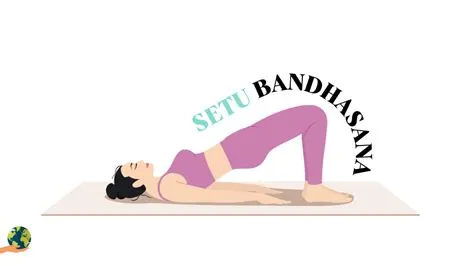
Supported Bridge Pose (Setu Bandhasana)
- Gently opens the chest and releases lower-back tension.
- Place a block or bolster under your sacrum.
- Raising your hips, place them on the support.
- Allow the chest to widen and breathe softly.
Reclined Bound Angle Pose (Supta Baddha Konasana)
- Encourages deep relaxation and grounding while opening the hips.
- Lying on your back, bring the soles of your feet together.
- Let your knees fall open to the sides.
- Use blankets under thighs for support.
FAQs
How long should you hold Viparita Karani?
Holding Viparita Karani for five to ten minutes is beneficial to most people. For deeper relaxation, extend to 10 to 15 minutes if you feel comfortable. You can hold it for up to 20 minutes during restorative sessions, but beyond that, the effects may plateau, and the circulation may get painful. Always leave carefully and slowly.
What sets Viparita Karani apart from Sarvangasana?
Viparita Karani is a passive inversion for relaxation that is supported by the wall. Strength and balance are necessary for the dynamic, unsupported inversion known as Sarvangasana (Shoulderstand).
Sarvangasana is usually held for 30 seconds to 5 minutes, whereas Viparita Karani can be held for 5 to 20 minutes.
Sarvangasana is more difficult, while Viparita Karani is kinder and easier for novices.
Can you do Viparita Karani during menstruation?
Your body determines this. Viparita Karani is a popular remedy for cramps, exhaustion, and mood swings.
Inversions during menstruation are discouraged in traditional yoga, but the wall-supported variation is gentle and frequently comfortable.
Choose a reclining or side-lying stance instead if your flow is heavy or you feel under strain.
Is Viparita Karani safe during pregnancy?
With some changes, Viparita Karani is usually safe only during the first trimester. Limit the hold to five to ten minutes and place a bolster beneath the right hip to avoid compressing the vena cava. Because of the prolonged back-lying, avoid this stance during the second and third trimesters. Always consult a prenatal yoga specialist.
What is Viparita Karani Mudra?
The traditional variant found in traditional yoga manuals is called Viparita Karani Mudra. It is held with deliberate breath control to affect energetic channels, much like a supported shoulderstand. The majority of individuals now practice the wall-supported variation, which is a contemporary adaptation that emphasizes relaxation over active sealing. “Reversing energy flow” is a concept shared by both.
Why do my legs tingle in Viparita Karani?
It’s normal to experience mild tingling; it’s just blood redistributing when your legs are raised. Move away from the wall or slightly bend your knees if the tingling starts to bother you. If necessary, lower your legs for a minute every five minutes. If you experience severe numbness, you should immediately end the pose.
References
- Allen, W. (2025, December 9). Viparita Karani. https://myyogateacher.com/yoga-asana/legs-up-the-wall-pose
- Yoga Journal. (2025, February 27). Legs up the wall pose. https://www.yogajournal.com/poses/legs-up-the-wall-pose-2/
- Cronkleton, E. (2024, September 25). How to do a Legs-up-the-Wall pose. Healthline. https://www.healthline.com/health/exercise-fitness/legs-up-the-wall