Sun Salutations for Weight Management
Do sun salutations help people lose weight? Indeed. Sun salutations are an excellent method of burning calories and building lean muscle, both of which raise metabolism and aid in weight loss. However, there are a few variables that affect how fast and successfully you achieve your weight reduction goals: time, speed, and physical health.
What is a Sun Salutation?
Unbelievably, Surya Namaskar aids in weight reduction even though it won’t make you perspire or have trouble breathing. Perhaps the secret to adopting Surya Namaskar for weight reduction is that each round consists of 12 asanas that must be performed continuously, ideally with 12 sets or repetitions.
According to research, doing Surya Namaskar might help you burn 13.90 calories every round. According to math, you can shed 416 calories with 12 repeats. Additionally, it is optimal to finish each Surya Namaskar round in fewer than four minutes. Therefore, burning those 400+ calories only takes roughly 45 minutes. But keep in mind that consistency and regularity are crucial.
Can Sun Salutations Help You Lose Weight?
Indeed! Surya Namaskar is a sequence that can burn fat and shrink the body since its goal is to increase body heat. Sun salutations are used as a warm-up exercise to transition into subsequent postures in traditional yoga practice; however, many practitioners prefer a yoga practice that consists just of sun salutations.
So how does Surya Namaskar help you lose weight?
Because Surya Namaskar increases metabolism and targets several muscle groups, it is highly recommended for weight loss. Every exercise improves your general strength and flexibility by focusing on various muscles and stimulating internal organs. Additionally, Surya Namaskar’s synchronized breathing promotes general fitness by increasing oxygen flow throughout the body and aiding in the burning of extra fat.
A balanced diet and healthy lifestyle, along with regular practice of this yoga for weight reduction, can successfully lower weight and enhance general well-being. In a sense, Surya Namaskar is more than simply a full-body exercise; it’s a ritualistic practice that promotes overall well-being by strengthening the body and refreshing and concentrating the mind.
Weight Loss Benefits of Surya Namaskar
- Whole-Body Exercise
- Surya Namaskar gives your entire body a complete exercise by targeting several different muscle groups. Every position improves overall fitness by strengthening and stretching various muscles.
- Increases Metabolism
- The thyroid gland is stimulated by the twelve sets of Surya Namaskar, which aids in controlling metabolism. Faster metabolism and calorie burning are associated with a healthy and functioning thyroid.
- Hormonal Equilibrium
- Weight gain is frequently caused by hormonal abnormalities, particularly in women. Surya Namaskar helps you lose weight by balancing your hormones.
- Mental Health
- Overeating and weight gain can be brought on by stress and worry. Deep breathing and mindfulness are two aspects of Surya Namaskar that can lower stress, improve mental clarity, and support better eating habits.
- Posture and Flexibility
- Frequent Surya Namaskar practice enhances your flexibility, posture, confidence, and general well-being.
Sun Salutations (Surya Namaskar) Video
How to Perform Surya Namaskar?
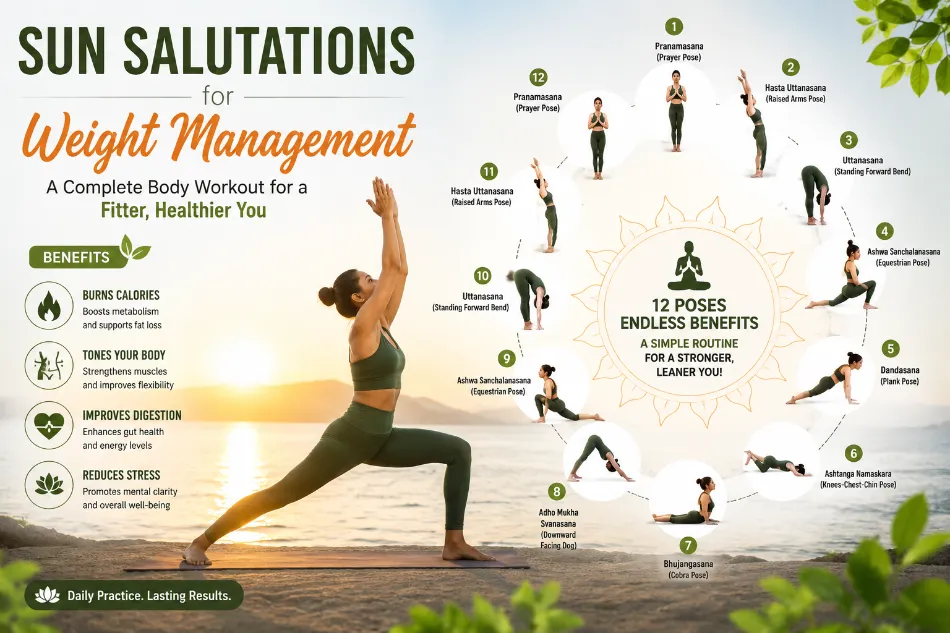
Obedience to the sun is implied by the sun salutation, or Surya Namaskar. Sun salutations for weight reduction may be done at any time of day, but they work best when done at sunrise on an empty stomach. The 12 Surya Namaskar positions, or asanas, for weight reduction are:
- Pranamasana (Prayer Pose)
- Hasta Uttanasana (Raised Arms Pose)
- Hasta Padasana (Standing Forward Bend Pose)
- Ashwa Sanchalanasana (Equestrian Pose)
- Chaturanga Dandasana (Plank Pose)
- Ashtanga Namaskara (Eight-Limbed Pose)
- Bhujangasana (Cobra Pose)
- Adho Mukha Svanasana (Downward-Facing Pose)
- Ashwa Sanchalanasana (High-Lunge Pose)
- Hasta Padasana (Standing Forward Bend)
- Hasta Uttanasana (Raised Arms Pose)
- Tadasana (Tree Pose)
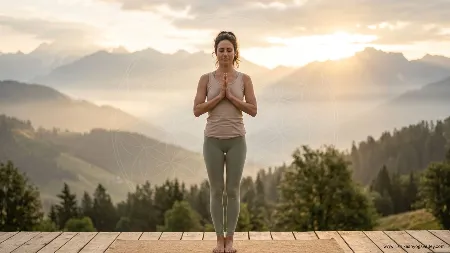
Pranamasana (Prayer Pose)
How to do
- Keep your feet close together and stand straight.
- Breathe deeply, allowing your shoulders to remain relaxed while your chest expands.
- your arms from the sides as you take a breath.
- To enter the prayer position, bring your palms together in front of your chest as you exhale.
Hasta Uttanasana (Raised Arms Pose)
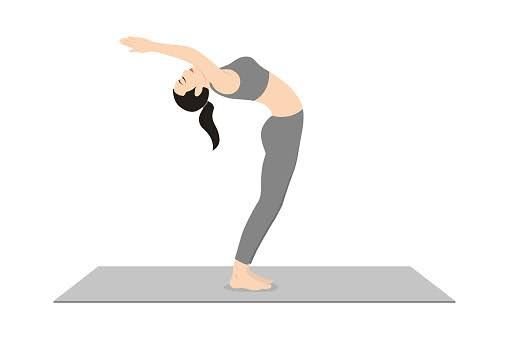
How to do
- As in a prayer stance, keep your palms together.
- Take a deep breath and raise your arms to cover your head.
- With your biceps near your ears, bend backward.
Hasta Padasana (Standing Forward Bend Pose)
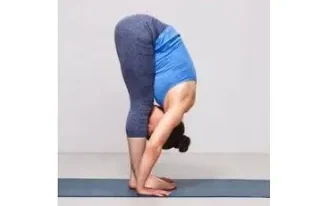
How to do
- Exhale, lean forward from the waist, and attempt to contact the floor while maintaining an upright posture.
- Be careful not to bend your knees.
- Breathe in and out gently and deeply during the position.
Ashwa Sanchalanasana (Equestrian Pose)
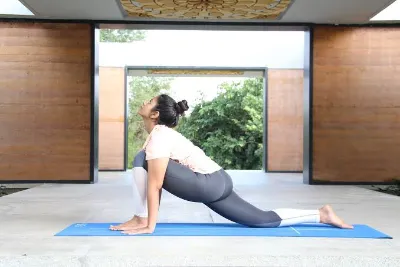
How to do
- This deep lunge, which is performed twice in each round, tests balance, develops the quadriceps, and expands the hip flexors.
- Step one foot forward between your hands and take a breath.
- Maintain the front knee just above the ankle.
- This position gives muscles that frequently get tense from extended sitting a substantial stretch.
Chaturanga Dandasana (Plank Pose)
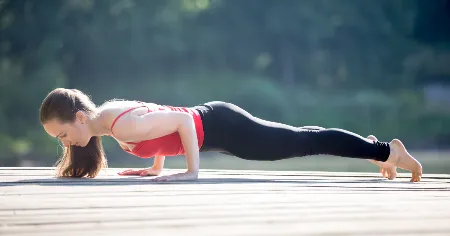
How to do
- Breathe out and return your right leg to the plank position.
- Keep your legs hip-width apart. Use your arms to support your body weight without bending your elbows.
- Maintain a single, straight body alignment.
Ashtanga Namaskara (Eight-Limbed Pose)
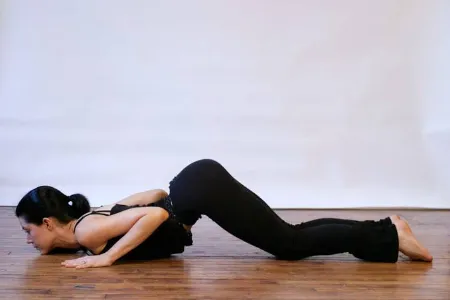
How to do
- Let go of the chaturanga dandasana stance.
- Let your knees come into contact with the floor as you gently release your breath.
- Maintain your hips floating in the air while placing your chin on the ground.
- Your hips will stay suspended in the air, making an inverted “V,” while your hands, chin, chest, knees, and feet will be on the ground.
- Pay attention to your hips and raise them.
Bhujangasana (Cobra Pose)
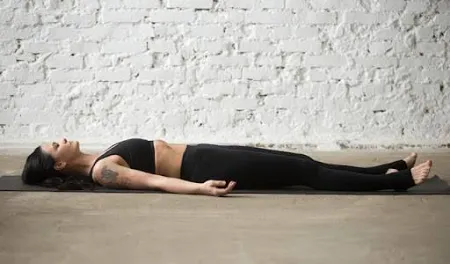
How to do
- Place your palms close to your chest while lying flat on the ground.
- Take a deep breath and elevate your head and chest while exerting pressure with your hands.
- Your stance will resemble an elevated-hooded cobra.
Adho Mukha Svanasana (Downward-Facing Pose)
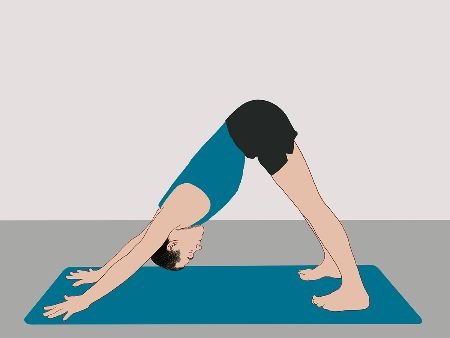
How to do
- Quickly transition from the cobra posture to the Adho Mukha Svanasana.
- With your hands and feet firmly planted, raise your waist and hips softly.
- As you lift your hips forward in a sharp inverted “V,” be careful not to bend your knees or elbows.
Ashwa Sanchalanasana (High-Lunge Pose)
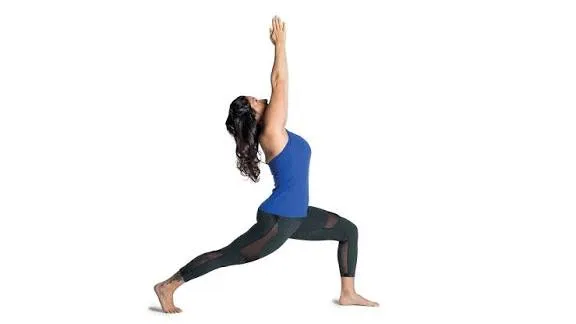
How to do
- This deep lunge, which is performed twice in each round, tests balance, develops the quadriceps, and expands the hip flexors.
- Step one foot forward between your hands and take a breath.
- Maintain the front knee just above the ankle.
- This position gives muscles that frequently get tense from extended sitting a substantial stretch.
Hasta Padasana (Standing Forward Bend)
How to do
- Take a deep breath and move your right foot forward slowly.
- Bring it together with the left foot.
- To do the hasta padasana stance, elevate your body, gently exhale, and maintain the same hand position.
- Do not bend your knees or elbows.
Hasta Uttanasana (Raised Arms Pose)
How to do
- Go back to Pose 2.
- Take a breath and raise your torso.
- Raise your arms over your head with your palms together, then stretch backward until your biceps are near your ears.
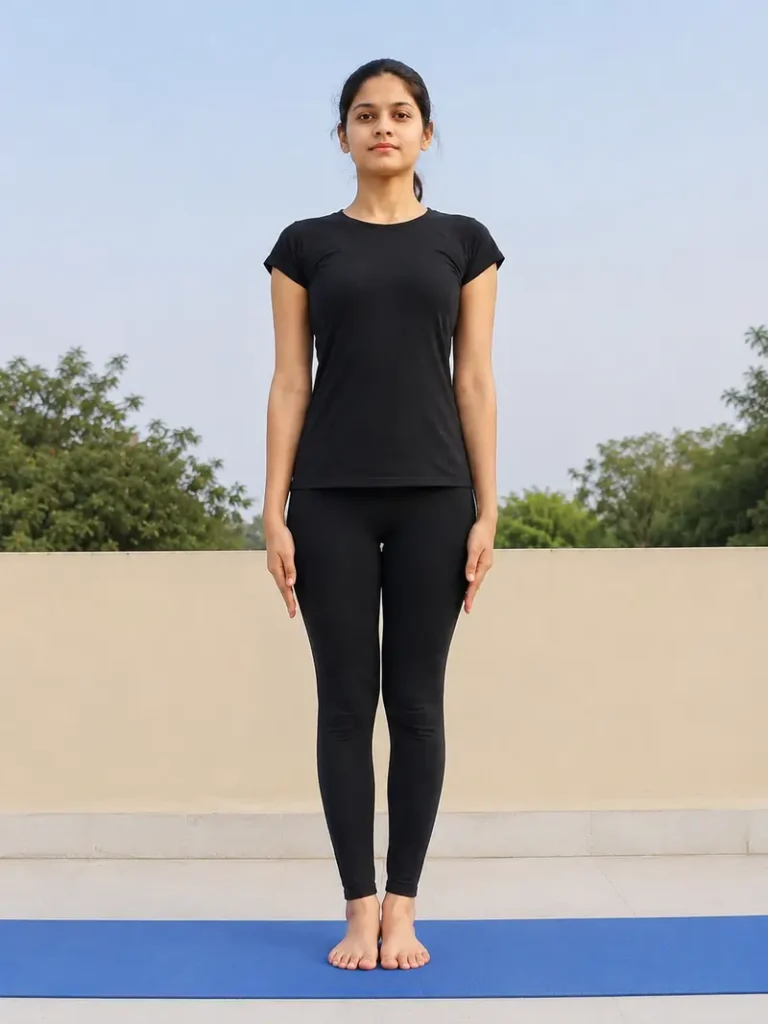
Tadasana (Palm Tree Pose)
How to do
- The Surya Namaskar’s most basic stance is tadasana.
- Gently exhale.
- Stretch your hands above your head while holding them together.
- Stretch your body by getting up on your toes.
- Breathe out and stand calmly and erect.
- As in the prayer posture or Pranamasana, place your hands in front of your chest.
Common Mistakes to Avoid while Practicing Surya Namaskar
- Unbelievably, Surya Namaskar aids in weight reduction even though it won’t make you perspire or have trouble breathing. Perhaps the secret to adopting Surya Namaskar for weight reduction is that each round consists of 12 asanas that must be performed continuously, ideally with 12 sets or repetitions.
- According to research, doing Surya Namaskar might help you burn 13.90 calories every round. According to math, you can shed 416 calories with 12 repeats. Additionally, it is optimal to finish each Surya Namaskar round in fewer than four minutes. Therefore, burning those 400+ calories only takes roughly 45 minutes. But keep in mind that consistency and regularity are crucial.
- Too Soon, Rushing to High Round Counts. The allure of 50 rounds or 108 Surya Namaskars is genuine, particularly if you’ve witnessed the outcomes others discuss. However, trying high round counts before your body reaches its baseline strength and flexibility is a certain way to strain your wrists or hurt your lower back. Build gradually. Volume is earned by form, not the other way around.
- Unreliable Practice: You won’t get the desired weight-related benefits if you practice 30 rounds on Sunday and then do nothing for five days. Regular repetition is necessary for the physiological adaptations, which include better muscular tone, metabolic changes, and cortisol management. Even with fewer rounds, daily or almost daily practice will always perform better than intermittent high-volume sessions.
Who Should Try Surya Namaskar for Weight Loss?
- First-timer
- One of the easiest full-body yoga poses for beginners is Surya Namaskar. The entrance barrier is low, the sequencing is predictable once mastered, and the postures are fundamental. Beginners may get a full movement practice without feeling overwhelmed by starting with five gentle rounds each morning.
- Women
- Surya Namaskar’s breathwork and rhythmic movement may progressively help hormonal control along with weight management for women navigating hormonal fluctuations, whether they are caused by stress, perimenopause, or irregular cycles. It is also appropriate for all phases of life due to its mild effect. Examine yoga for hormonal balance to see how it affects women’s health in general.
- Senior Citizens
- Surya Namaskar is a joint-friendly means of preserving cardiovascular health, muscular tone, and mobility for those over 50 or 60. Before moving on to full expression, people with pre-existing joint disorders should speak with a doctor and think about beginning with a reduced form, such as lowered knees in a plank or shallower lunges.
- Employed Professionals
- Surya Namaskar’s short structure (15 minutes for 10 rounds) makes it one of the most practical daily movement habits a busy person may develop if your day is lengthy and your schedule is erratic. Additionally, it addresses both physical and emotional exhaustion by mitigating the posture harm caused by prolonged desk employment.
Who Should Avoid Doing Surya Namaskar?
While Surya Namaskar is an extensive set of safe yoga positions, it is not advised to use Surya Namaskar as a weight-loss technique for:
- Women who are expecting
- Women who are menstruating
- People who have been diagnosed with hernias
- People who have high blood pressure for a long time
- People with long-term back issues
FAQs
Does Surya Namaskar require any equipment?
It doesn’t require any equipment. For wrist and knee comfort, a non-slip yoga mat is advised, although on a firm surface, even that is unnecessary. The only instruments used during the whole exercise are bodyweight and breath.
Surya Namaskar: What is it?
The Sun Salutation, also known as Surya Namaskar, is a series of twelve yoga poses done in a continuous, breath-linked rhythm. It is typically done around dawn and functions as a kind of moving meditation as well as a thorough physical workout. Depending on pace, each round lasts between sixty and ninety seconds.
Is Surya Namaskar suitable for those who are just starting off with weight loss?
Indeed. Any level of fitness may follow the pattern, and even a little daily commitment of five to eight cycles offers significant physical exercise. Before raising the round count, beginners should concentrate on mastering breath-movement synchronization. The comprehensive Surya Namaskar handbook is a helpful resource for accurately learning each pose.
How frequently should I perform Surya Namaskar in order to lose weight?
It is best to practice every day. Even 15 to 20 minutes every morning, or around 10 to 12 rounds at a moderate speed, when done regularly over a period of 6 to 8 weeks, tends to cause notable improvements in your energy levels, body composition, and overall mood. Occasional practice won’t yield the same results.
Is it possible to perform Surya Namaskar at home?
Of course. With just a mat and enough floor space to completely stretch your arms and legs, it’s one of the easiest yoga poses to do at home. Because there are no commuting obstacles to regularity, many practitioners find that working from home yields the best outcomes.
References
- Nitesh Patel – Physiotherapist. (2026). Surya Namaskar | Sun Salutation: Health benefits, How to do? variations. Mobile Physiotherapy Clinic. https://mobilephysiotherapyclinic.in/surya-namaskar-sun-salutation/
- Saniya Zehra. (2026). Is Surya Namaskar Good for Weight Loss? Here’s the Truth. Habuild Blogs. https://habuild.in/habitology/asana-mudra/is-surya-namaskar-good-for-weight-loss/
- (n.d.). Bad Gateway. cholainsurance.com. https://www.cholainsurance.com/flexi-max-protection/-/blogs/surya-namaskar-for-weight-loss-benefits-and-the-right-way-to-do-it
- Rushali. (2026). What Is a Sun Salutation? Meaning & Benefits for Beginners. MyYogaTeacher. https://myyogateacher.com/articles/what-are-sun-salutations