Yoga for Football Players
Introduction
One of the most physically taxing sports is probably football, or soccer. Football players must possess exceptional strength and endurance, as well as excellent anticipation, mental awareness, flexibility, agility, balance, and coordination.
Football is a true test of your physical talents, whether it’s the quick bursts of speed required to chase down an errant pass, the dexterity to maneuver the ball past the opposition’s defenses, or the cerebral ability to know just where and when to make a throw.
The majority of the world’s top football players incorporate yoga into their preparation, so this is no coincidence. Yoga keeps your mind focused and your muscles flexible, reducing injuries, in addition to helping you develop strength, endurance, and agility.
The following asanas were specifically picked because they don’t require any prior yoga experience and will greatly enhance your performance, regardless of whether you’re a seasoned professional seeking that extra edge, a budding athlete hoping to improve your performance, or a weekend warrior who manages to fit in football once a week.
Benefits of Yoga for Football
A football team’s overall performance and mindset will improve when yoga is incorporated into their training schedule.
Regular yoga practice enhances flexibility, strength, endurance, and balance. Additionally, it improves body awareness and focus, which speeds up recuperation and elevates the athlete’s mood.
Strength, endurance, and body awareness: Anyone who has taken an Ashtanga Vinyasa or power yoga session will attest to the fact that modern yoga is frequently a full-body workout. Yoga is carefully timed, in contrast to lifting weights or doing other types of exercise. Certain cues, like moving a limb in a certain direction, are extremely basic, while others, like focusing attention on a specific muscle to activate it, need a lot of work for the body and the mind to trigger.
You will become more aware of your body and be able to recognize subtler indications if you practice yoga consistently. Football players who have improved body awareness can work out more effectively.
Because poses are frequently held for extended periods of time and done multiple times throughout a single yoga session, practicing yoga also improves muscle endurance.
Balance and Focus: Even simple balance poses, like Tree Pose, call for whole concentration. You topple over the moment you lose concentration. You must automatically put aside unnecessary ideas in order to concentrate on the task at hand in order to find and maintain balance. Because of this, even though these positions require acute and constant awareness, they can induce a deep sense of tranquility.
The body’s alignment with gravity is what allows for bodily balance. The ability to establish and modify alignment is provided by strength. We improve our focus and concentration by constantly adjusting the alignment to preserve equilibrium.
The player’s ability to focus quickly and block out distracting ideas is essential while they are under pressure. An athlete cannot be expected to concentrate on the game while standing on one leg. However, with practice and repetition, the practitioner will understand the relationship between breath and balance and how their breathwork may help them remember focus when needed.
Flexibility & Recovery: Football players are more likely to get a muscular injury due to the repeated nature of the game. Muscle strain, joint pain, and injury are more likely if the muscles are unable to stretch to their full extent. Regular yoga poses help lengthen muscles and tendons, which speeds up recovery and increases body flexibility and mobility while lowering injury risk.
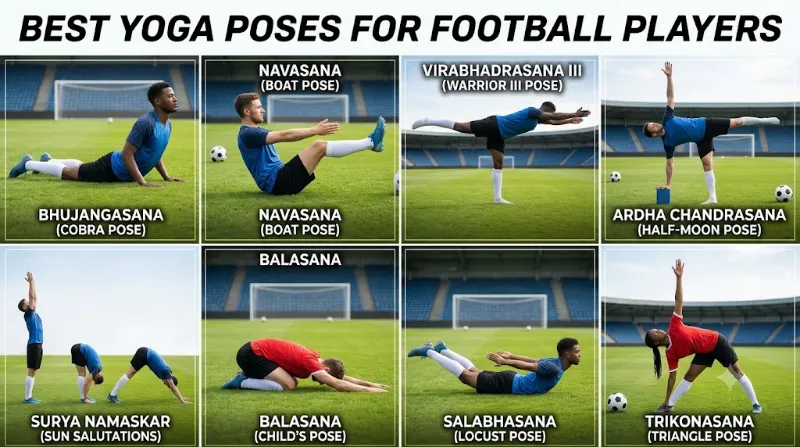
Best Poses For Football Players
Bhujangasana (Cobra Pose)
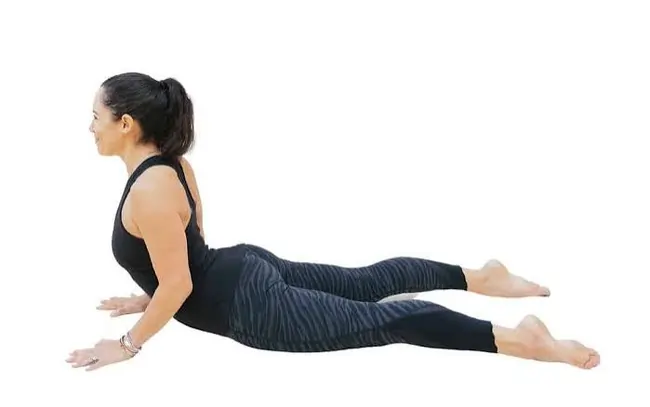
Benefits:
- Increases your sprint speed by strengthening your glutes, shoulders, and spine.
- Improves breathing and back flexibility, improving endurance and preventing tiredness.
- Helps you keep your form on the field by opening and stretching your chest, shoulders, and abdomen.
Steps:
- On your yoga mat, lie down on your stomach.
- With the soles toward the ceiling, extend your feet.
- Tuck your elbows under your body and place your hands on your yoga mat under your shoulders.
- Press your pelvis, thighs, and toes into your yoga mat.
- Your entire back should flex smoothly and evenly.
- Breathe out when you release the position to return your chest to your mat after holding it for ten to twenty breaths.
- Make sure your shoulders are as far away from your ears as you can by activating your shoulder blades. Keep your body from collapsing into your shoulders.
- Your entire back should flex nicely and evenly.
- Breathe out when you release the position to return your chest to your mat after holding it for ten to twenty breaths.
Navasana (Boat Pose)
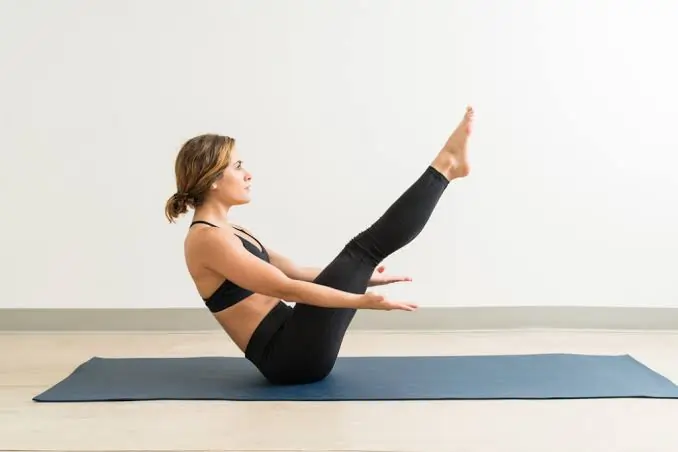
Benefits:
- Strengthens your spine, hip flexors, and abdomen to help you with the quick bursts of speed required to chase down unpredictable passes or break free from opponents.
Steps:
- Bend your knees in front of your chest while sitting on your yoga mat, keeping your feet flat.
- With your hands right behind your knees, grasp your thighs and raise your feet until your shins are parallel to the surface.
- Once your shins are parallel to the floor, engage your core to balance on your sit bones.
- As you extend your body and contract your core, make sure your spine stays straight. Maintain as open a chest as you can.
- Let go of your palms and spread your arms out while keeping your balance once you’ve found it.
- Once you’re comfortable, straighten your legs to form a “V” with your body.
- Remember to breathe while holding the pose for ten to twenty breaths, and then gradually release.
Virabhadrasana III (Warrior III Pose)
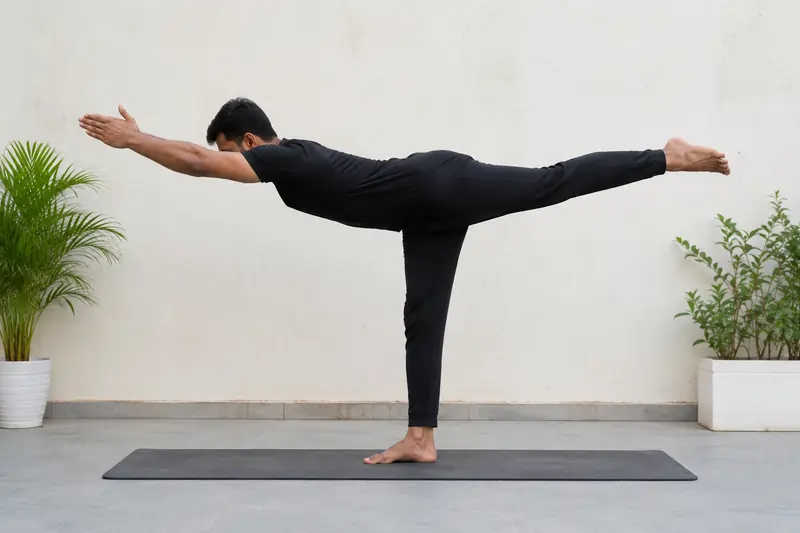
Benefits:
- Strengthens your legs and ankles, improving your ability to move around and change direction quickly.
- Keeps you strong during the game by strengthening your back, shoulders, and abdominal muscles.
- Enhances your posture and balance, which increases your agility and ball control.
Steps:
- Step your left foot to the back of your yoga mat, about one leg’s length away, while maintaining a straight line between your feet, keeping them hip-width apart.
- To feel stable, change the distance between your feet.
- Keeping your right shin perpendicular and your right knee stacked over your right ankle, bend your right knee such that your right thigh is parallel to the floor.
- Stretch your arms out while maintaining their parallel alignment.
- With your arms extended and parallel, slowly straighten your right knee.
- Lift and stretch your left leg till it is parallel to the mat while your knee straightens. Make sure your arms are parallel to the mat and extended.
- Keep your body as parallel to the mat as you can and concentrate on squaring your hips.
- Your body should be balanced on your straightened right leg, with your left leg, body position, and arms creating a straight line.
- Maintain a calm and neutral neck position.
- On the other leg, repeat.
Ardha Chandrasana (Half-Moon Pose)
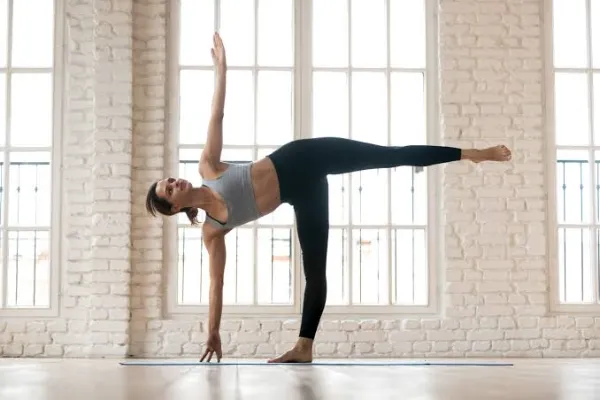
Benefits:
- Enhances general strength and endurance by strengthening the hamstrings, ankles, thighs, glutes, shoulders, spine, and abdomen.
- Keeps your main muscles flexible and supple by stretching your hamstrings, calves, shoulders, chest, and spine.
- Enhances your awareness on the field by improving your balance, coordination, and mental clarity.
Steps:
Warrior III can smoothly transition into Half Moon Pose.
- From the Warrior III position, drop your leading hand to the mat and raise the opposing hand to reach the Half-Moon pose.
- Therefore, stretch your right arm toward the ceiling and, if you are supporting the Warrior III position on your left leg, drop your left hand toward the floor.
- Make an attempt to expand your chest as much as you can as you lower your left arm to the mat.
- Make sure your right leg is parallel to your yoga mat, stretched, and engaged.
- Make a conscious effort to twist your chest such that it stays parallel to your room’s side walls. The outstretched arms should eventually create a straight line.
- Before switching sides, hold the stance for ten to twenty breaths while keeping your neck neutral.
- In order to maintain balance and avoid sacrificing form, using a yoga block can be quite beneficial.
Surya Namaskars (Sun Salutations)
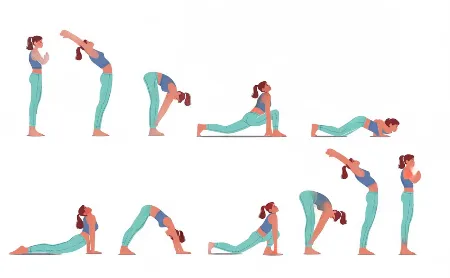
Perhaps the best method to improve your strength, endurance, and flexibility is to perform this series of poses. Surya Namaskars are often performed in sets of five, but if you’re just beginning, divide your practice into smaller groups of two or three repetitions. Keep in mind to synchronize your breathing with every bodily movement.
Benefits:
- Stretches and strengthens practically all of your body’s main muscle groups.
- Keeps your reaction time sharp as you rally for the ball and helps you remain composed under pressure by raising your mental awareness and alertness.
- Increasing endurance is best done this way. Work your way up to performing 108 consecutive Surya Namaskars by practicing 10 to 15 of them each day. At that point, ninety minutes on the field will seem effortless.
Steps:
- Breathe in and out while keeping your palms together.
- Breathe in, raise your arms, extend your back, and arch your back.
- Breathe out, bend down, place your palms flat on the ground, and touch your knees to your forehead. In order to protect your back in this position, it is best to bend your knees.
- Breathe in while keeping your right leg back, your hands parallel to your feet, and your chin raised toward the sky.
- Hold your breath while returning your right leg to a plank pose.
- Breathe out, drop your knees down, hips up, chin down, and chest down.
- Take a breath, raise yourself into Cobra or Bhujangasana, and point your elbows and toes.
- Breathe out in an inverted V.
- Breathe in while raising your chin skyward and bringing your right leg forward in alignment with your palm.
- Exhale as you straighten your left leg, bring your forehead toward your knees, and place your palms flat on the floor.
- Take a breath, raise your arms, extend them, and arch your back.
- Breathe out and lower your arms.
- Now repeat the process on the left side, substituting the left leg for the right leg in all of the instructions.
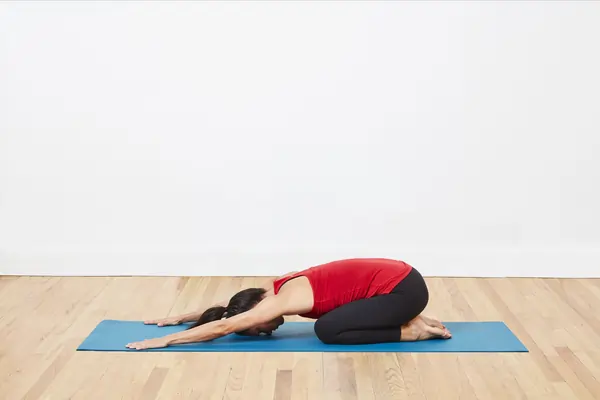
Balasana (Child’s Pose)
Steps:
- Get down on your knees. Sitting on your heels, touch your big toes together, and then spread your knees as wide as your hips. (Keep your knees closer together for a more thorough massage along the front of your body.)
- Breathe out, fold forward, and place your torso between your thighs. For your hip points to nestle down onto your inner thighs, narrow them toward your navel.
- Extend your tailbone away from the back and widen the sacrum at the back of your pelvis. To move the base of your skull away from the back of your neck, slightly tuck your chin.
- For the Extended Child’s position, extend your hands toward the front of your mat. Alternatively, release the fronts of your shoulders onto the floor by reaching back toward your feet and placing your arms, palms up, on the ground next to your torso.
- Let the shoulder blades spread out across your back due to the weight of your shoulders.
- Stay somewhere between thirty seconds and several minutes.
- To rise, extend the front body first, then raise from the tailbone as it presses into the pelvis while taking a breath.
Salabhasana (Locust Pose)
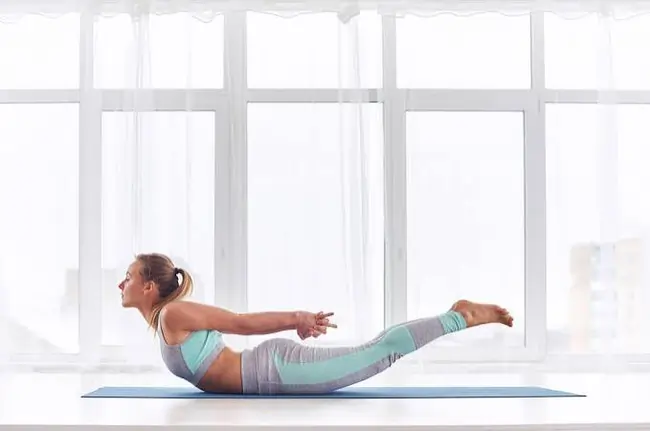
Steps:
- Locust is an excellent method for strengthening the back.
- Place your forehead on the ground while lying on your stomach.
- Lift your arms, legs, and head slowly off the ground.
- To prevent neck pain, keep your eyes on the ground.
- After holding the position for as long as you can, let go.
- As an alternative, you can further expose the chest by clasping your fingers behind your back.
Trikonasana (Triangle Pose)
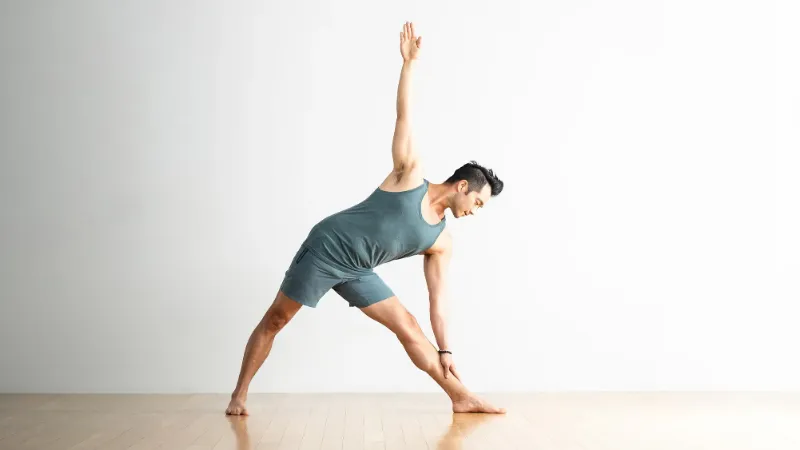
- Triangle poses combine strength and stretch, making them great for preventing injuries. It helps with back pain, increases balance, expands the chest to facilitate better breathing, and strengthens and extends the legs.
- Place your feet about three feet apart to achieve the triangle pose. Align the left foot’s arch with your right heel.
- Put your left hand close to your right toes while squaring your hips forward. Here, a block is frequently useful for placing the lower hand.
- Turn to the left rib and twist it to the right. Raise the upper arm to the ceiling and align the hand with the shoulder.
- If the stretch feels too challenging, raise the height of your block for added support.
- You have two options: either focus directly ahead or tuck your chin in and look up at your hand.
Injury Prevention Yoga for Footballers
Football players must avoid injuries, and adding yoga to their training routine can help them become more flexible, strong, balanced, and attentive. This is a yoga injury prevention guide designed especially for football players:
Warm-Up: Begin with gentle, small movements to prepare your body for the practice. Pay attention to ankle rotations, hip circles, arm swings, neck stretches, and joint rotations. In addition to improving blood flow, this gets your body ready for longer, deeper stretches.
Dynamic Stretches: Do dynamic stretches that resemble the motions of football. Walking lunges, butt kicks, high knees, and leg swings are a few examples. Dynamic stretching improves muscle flexibility and enhances your range of motion.
Sun Salutations (Surya Namaskar): Sun Salutations are a sequence of connected yoga practices that enhance general strength and flexibility. They also improve your mind-body connection and circulation.
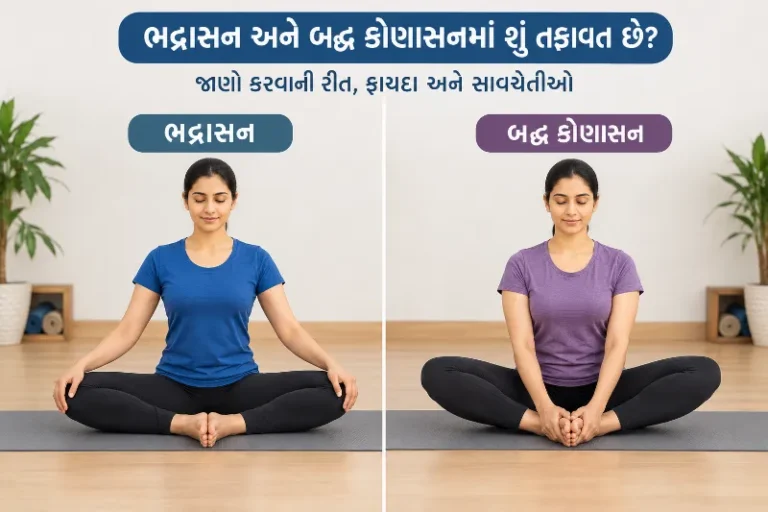
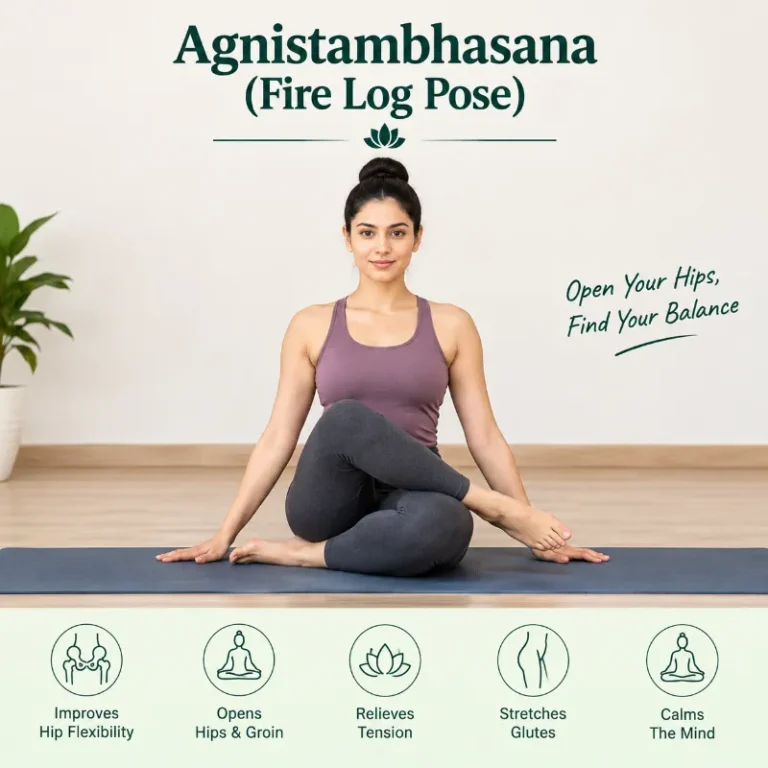
Hip Openers: Because they run and move laterally so much, football players frequently develop tight hips. To increase hip mobility and avoid imbalances, incorporate positions like Butterfly Pose, Pigeon Pose, and Hip Flexor Stretches.
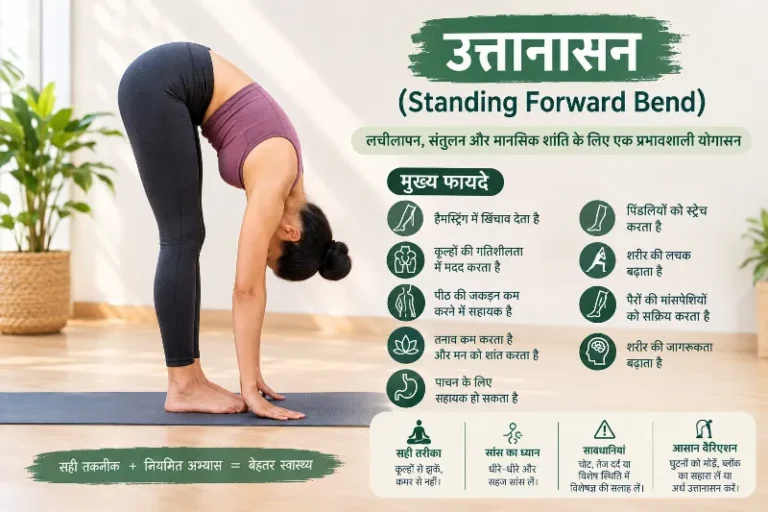
Stretches for the Hamstrings and Quadriceps: Tight hamstrings and quadriceps can cause strain and injury. To strengthen these muscular groups, practice poses like the Standing Forward Fold, Seated Forward Fold, and Lunges.
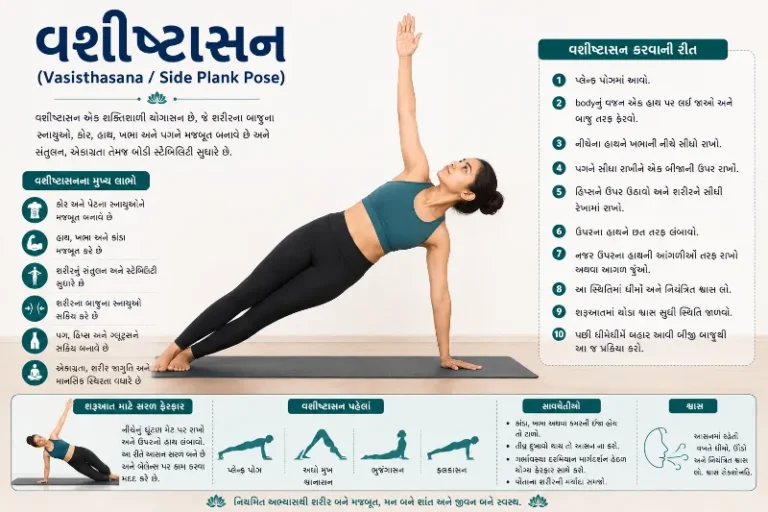
Core Strengthening: A powerful core lowers the chance of injury and helps stabilize the body. You may strengthen your core by performing poses like Side Plank, Boat Pose, and Plank.
Balance poses: To help football players avoid twists and falls during play, balance poses such as Tree Pose and Warrior III enhance proprioception and stability.
Cool Down and Relaxation: Conclude your practice with relaxing poses such as Savasana and Child’s Pose, as well as light stretches. This gives you a mental break as well as a chance for your body to cool down and heal.
Breathing and Mindfulness: Throughout your yoga practice, incorporate mindfulness and deep breathing techniques. Reducing stress, improving focus, and improving performance can all be facilitated by learning to control your breathing and remain in the now.
Keep in mind that consistency is essential. You can prevent injuries by incorporating yoga into your routine a few times a week. It’s crucial to pay attention to your body and never push yourself into painful or uncomfortable poses. If you’re new to yoga, think about getting advice from a qualified instructor who can assist you with appropriate alignment and adjustments based on your unique requirements and objectives.
Conclusion
Football players can benefit greatly from yoga both on and off the field. It helps athletes move more effectively and prevent injuries by increasing flexibility, mobility, and balance.
Yoga improves overall performance and endurance by strengthening the core and stabilizing muscles. Beyond the physical advantages, it improves mental clarity, lowers stress levels, and speeds up recovery following hard training or competition.
FAQs:
Does yoga help football players?
Regular yoga practice enhances flexibility, strength, endurance, and balance. Additionally, it improves focus and body awareness, which speeds up recovery and elevates the athlete’s mood.
Is yoga good before football?
It can enhance your performance in a few ways, such as: Injury prevention: Yoga increases flexibility, which lessens tension and improves range of motion for your muscles and joints. Additionally, it balances muscular strength, which could decrease the likelihood of tears and pulls.
Why do athletes do yoga?
It enhances mobility and balance, sharpens respiratory control under strain, and aids in nervous system regulation following intensive competition. Many of these athletes claim that yoga benefits them in ways that go well beyond the physical since it’s an excellent tool for concentration.
Do any footballers do yoga?
While weightlifting and other conventional training techniques are beneficial, several football players, like Cristiano Ronaldo, have integrated yoga into their routines. Many elite football teams have made yoga a required component of their recuperation procedures, and many professional football players have already incorporated it into their daily routines.
Who is better, gym or yoga?
Which is better for building muscle and gaining weight: yoga or the gym? With significant progressive loading, the gym offers an edge for quick muscular growth. Yoga, on the other hand, develops lean, functioning muscle with proportionate flexibility and little chance of injury—a long-term, sustainable substitute that many find as impressive.
References:
- Atherton, J. (2026, September 28). Yoga for football players – 10 essential yoga poses for before and after play. Modern Yoga. https://modernyogacle.com/yoga-football-players/?srsltid=AYCX9vIei8PXP291itZIaKdYoZbSOiwVZQXYUey64zNxjU48MOtaTWvQ
- Jayakar, A. (2023, December 28). Yoga For Football: Yoga asanas to improve speed & agility on the football pitch. Kosha Yoga Co. https://koshayoga.co/blogs/yoga-for-sports/yoga-for-sport-football?srsltid=AYCX9vKE1W2enTmfNuBZks_9sdQHLjAGII3XIMyhW8ql48OQRVeXes_Q
- Dokuzoglu, H. (2025, December 6). Injury Prevention yoga for football players — Hakan&Friends Yoga Studio. Hakan&Friends Yoga Studio. https://hakanyoga.co.uk/blog-1/injury-prevention-yoga-for-football-players