Beginner’s Guide to Yoga: Mastering the Basics
Welcome Beginners!
When you’re new to yoga, it might be confusing and tough to know where and how to begin. Our Yoga for Beginners guide was built particularly for you, providing all of the ideas, instructions, and recommendations you’ll need to get started with a good yoga practice. To ensure your success, we strongly advise you to read this entire article before beginning any yoga.
What Is Yoga?
Yoga is a wide range of spiritual approaches and practices aiming at bringing the mind, body, and spirit together to achieve enlightenment or oneness with the universe. What is commonly referred to as “yoga” in the West is actually Hatha Yoga, one of the numerous types of yoga. The various paths of yoga emphasise diverse approaches and practices, but they all lead to the same goal of unity and enlightenment.
Hatha Yoga unites the mind, body, and spirit via the practice of
- Asanas (yoga postures),
- Pranayama (yoga breathing),
- Mudra (body gestures),
- Shatkarma (interior purification).
These physical practices help to detoxify the body and cultivate prana (life-force energy). Modern Hatha Yoga emphasises physical yoga poses over many of these esoteric traditions. Regardless of your motivations or objectives for starting, the yoga poses themselves are an excellent form of mental and physical fitness.
What Is the Best Yoga for Beginners?
If you are out of shape or highly inflexible, we recommend starting with a light practice until you have gained the strength and flexibility to tackle more difficult sequences. If you are generally fit and flexible, you should be able to participate in a standard hatha yoga class. Once you’ve mastered the basic poses, you can try a vinyasa or flow class. We recommend that you avoid Ashtanga, Bikram, and hot yoga until you’ve developed some physical strength and endurance. It is always advisable to err on the side of caution and safety by approaching yoga gently and carefully.
How to Practice Yoga?
Yoga is often practised barefoot on a sticky yoga mat, with optional yoga supports. Yoga moves and poses necessitate clothing that can stretch and move freely with the body. You can buy clothing specifically made for yoga practice, but you may definitely start with a comfortable outfit from your own closet.
Yoga sessions may include additional props, the most frequent of which are straps, blocks, blankets, and bolsters. You don’t have to buy things right away; you may quickly replace them with scarves or neckties, a stack of books, and pillows.
Your First Yoga Practice:
->We propose that you begin with a short, straightforward yoga session and gradually progress from there.
Once you’re comfortable with a few basic beginner yoga postures, you can put them into a sequence and progress to harder poses. Make sure you understand and practice the five key components of a yoga practice: breathing, meditation, intention, asanas, and relaxation.
How Often Should I Do Yoga?
If you practice yoga three or more times a week, you will see significant improvements in your flexibility, range of motion, strength, balance, inner peace, and overall well-being.
We prefer shorter and more frequent sessions, each lasting 20-45 minutes and totalling 3-4 hours spaced out over several days.
Benefits of Practising Yoga
Practising yoga for less than this amount will still be useful, but the results will be smaller over time. Like other things, the more time you devote to it, the more benefits you will reap.
Yoga has almost limitless benefits! Practising yoga promotes beneficial qualities and principles such as discipline, honesty, commitment, self-inquiry, mindfulness, and non-attachment.
Yoga teaches you to make conscious decisions that will lead to a happier, healthier life.
Yoga also benefits you:
When you start practising yoga consistently, you’ll discover a slew of health benefits. Yoga engages the mind, body, and spirit, which covers the physical, mental, and emotional domains.
- Flexibility and Strength
- Moving, stretching, and deep breathing during a yoga practice promote blood flow while also stretching and strengthening muscles.
- Pain Relief
- According to research, yoga shows promise in treating specific types of chronic and acute pain, particularly low back pain.
- Reduced Inflammation
- Chronic inflammation can be triggered by things like stress and a sedentary lifestyle, which can increase your risk of illness. Yoga could be a potent remedy. According to studies, yoga may help reduce blood levels of cortisol, sometimes referred to as the “stress hormone,” and IL-6, an immune cell that promotes inflammation.
- Better Heart Health
- There is compelling evidence that yoga can improve heart health, help treat heart problems, and lower the risk of cardiovascular disease.
- Decrease In Symptoms of Depression, Anxiety, and Stress:
- Yoga has been reported to significantly reduce stress and anxiety while also lessening the symptoms of depression. According to continuing studies, meditation can also help relieve the symptoms of depression.
- Improved Focus:
- Holding postures, breathing carefully, and meditating all help you fine-tune your attention by timing your breathing with movement, focusing on the details of your inhalations and exhalations, and letting go of distracting ideas.
- Increased Gratitude:
- According to studies, daily yoga practice boosts pleasant emotions and body image. “Yoga has helped me deal with life struggles,” says Kiesha Battles, a certified yoga teacher and trainer who co-directs the Yoga Retreat for Women of Colour. “It allows me to have more clarity in the way I see things so that I can deal with troubles or problems.”
- Better Sleep:
- When performed frequently, yoga may help you fall asleep faster, have lower sleep disturbances, and sleep better.
Types of Yoga:
Names you don’t recognise. These usually represent distinct varieties of yoga, with approaches varying in intensity, focus, and style. The following are some yoga styles you can encounter:
- Vinyasa Yoga: Vinyasa sessions typically consist of a series of positions that are completed with one movement per breath.
- Restorative Yoga: A Restorative yoga session usually consists of five or six calming positions supported by props such as blankets, bolsters, pillows, blocks, or piles of books, which you linger in for several minutes. The poses are intended to help you relieve tension and relax.
- Hot Yoga: refers to any type of yoga practised in an intentionally heated setting. The temperature is said to promote greater flexibility, but use caution.
- Yin Yoga: A relatively new technique, Yin yoga consists of seated and supine stretches that are often held for 3to 5 minutes to access fascia, a type of connective tissue that has been thoroughly examined. Applying modest strain to the fascia can increase flexibility and shorten recovery time from injuries.
- Ashtanga Yoga: Ashtanga yoga is an athletic and challenging practice based on numerous predefined sequences of postures that remain the same. It is taught at escalating levels of difficulty. Beginners begin with the Primary Series.
- Hatha Yoga: Unlike vinyasa, it concentrates on individual poses rather than tying them together. The exercise is intended to increase your understanding of each stance. Yoga therapy refers to any yogic approach used to manage physical injury or pain, as well as mental and emotional stress or trauma.
- Iyeyengar yoga: Iyeyengar yoga is a precision technique that emphasises proper posture alignment. Poses are sustained for long periods of time, and students are frequently assisted with props to experience the posture’s intended alignment.
- Jivamukti Yoga: Chanting, meditation, pranayama, philosophy, and music are all incorporated into a strict vinyasa practice to define this yoga style. Jivamukti yoga provides both physical and mental stimulation.
- Kundalini Yoga: Kundalini yoga is a spiritual and physical practice that emphasises dynamic breathing methods, meditation, and mantra chanting rather than movement.
- Power Yoga: This practice moves from one pose to the next. Power yoga shares many characteristics with Ashtanga and some vinyasa styles, such as raising internal heat, stamina, strength and flexibility, and stress reduction.
- Prenatal yoga, which focuses on breathing, stamina, pelvic floor work, restorative poses, and core strength, can be performed during or after pregnancy.
- Tantra Yoga: By harnessing and embodying the five energy centres of Shakti, the divine feminine who represents creativity and transformation, tantric yoga aims to help you go through life with greater confidence and contentment.
Best Yoga Poses for Beginners
Understanding where to begin with postures is half the battle. Not every yoga posture is appropriate for a novice student; some demand strength or flexibility that you haven’t developed yet, and starting there might lead to frustration or injury.
Our guide to the 18 best yoga positions for beginners includes foundational shapes including Mountain Pose, Cat/Cow, Downward Facing Dog, Child’s Pose, Warrior I, and more. These postures teach you how to align, breathe, and find your edge without crossing it.
Introduce new positions gradually as your body adjusts to the demands of consistent practice.
Tadasana (Mountain Pose)
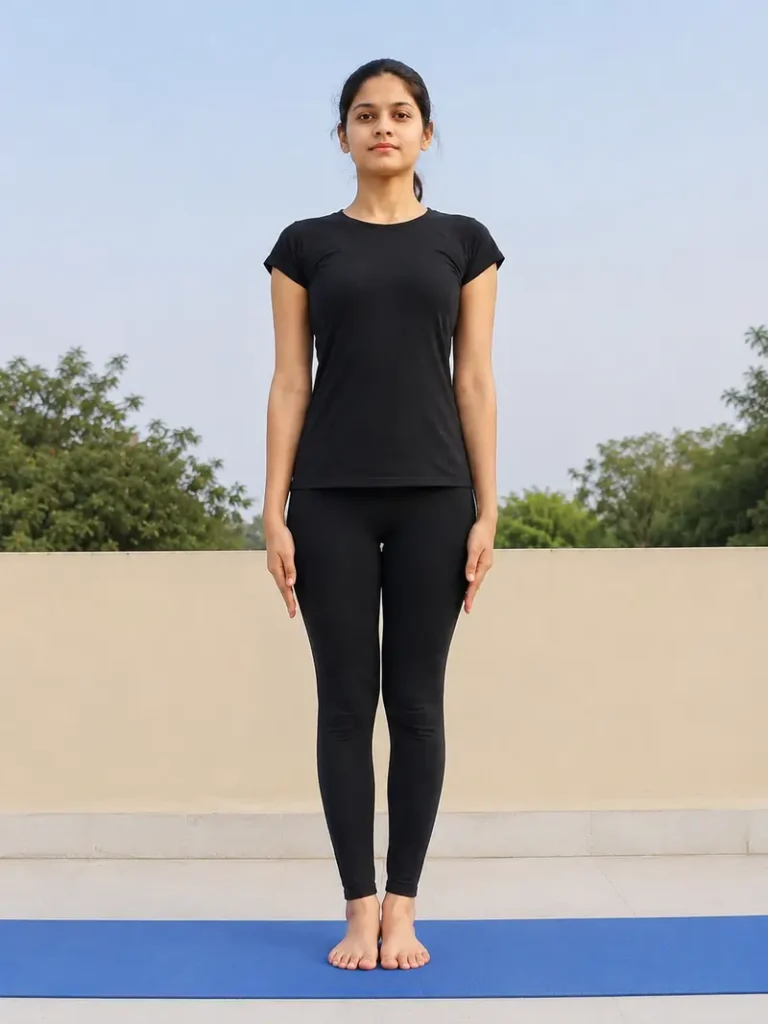
Surprisingly, Mountain Pose strengthens your leg and core muscles while appearing to be a straightforward standing pose.
How To:
- Stand with your heels slightly apart
- Keep your big toes touching
- Spread your collarbones and hang your arms by your sides, palms facing forward.
- Reach your tailbone to the floor.
- Hold the Mountain Pose for up to ten breaths
Marjaryasana (Cat Pose)
Cat Pose can help reduce tension in your lower, middle, and upper back while also improving posture. This pose is sometimes used with Cow Pose (see below) for a calm flow.
How To:
- Start on your hands and knees
- Keep knees directly beneath your hips, and wrists
- Keep elbows and shoulders aligned.
- As you exhale, curve your spine toward the ceiling and lower your head to the floor without pressing your chin into your chest.
- Repeat the Cat Pose (or Cat-Cow) 5–10 times.
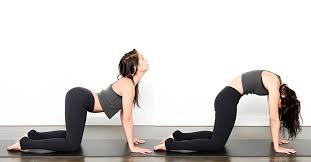
Cow Pose (Bitilasana)
Cow Pose can be performed on your hands and knees or in a seated position during chair yoga. Cow Pose may assist in promoting mobility, particularly for persons who have muscular and joint stiffness.
How To:
- Begin on your hands and knees.
- Make sure your knees are squarely beneath your hips and wrists and that your elbows and shoulders are aligned.
- As you inhale, raise your sitting bones and chest toward the ceiling while letting your tummy drop to the floor.
- Lift your head to stare straight ahead.
- Exhale, then return to your hands and knees.
- Repeat the Cow Pose (or Cat-Cow) 5-10 times.
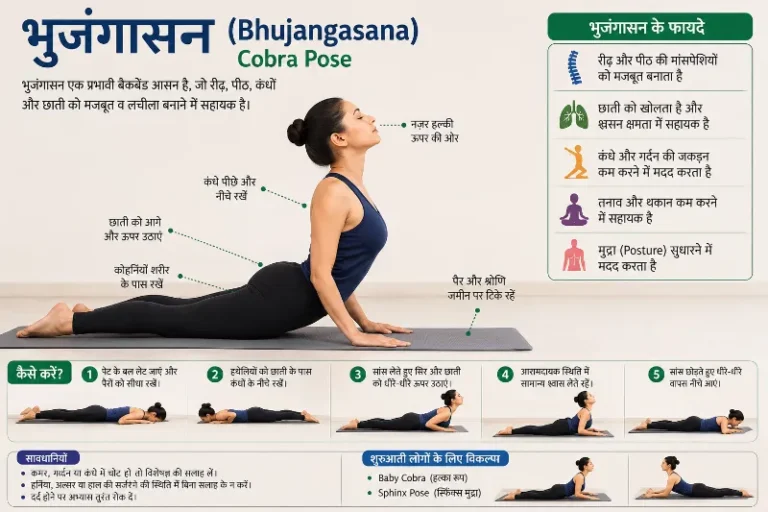
Cobra Pose (Bhujangasana)
Cobra Pose may help relieve the symptoms of chronic low back pain by boosting flexibility and core strength. Though you might notice yogis raising their arms and deeply arching their backs, it is acceptable to remain low to the ground, especially if you are new to Cobra Pose.
How To:
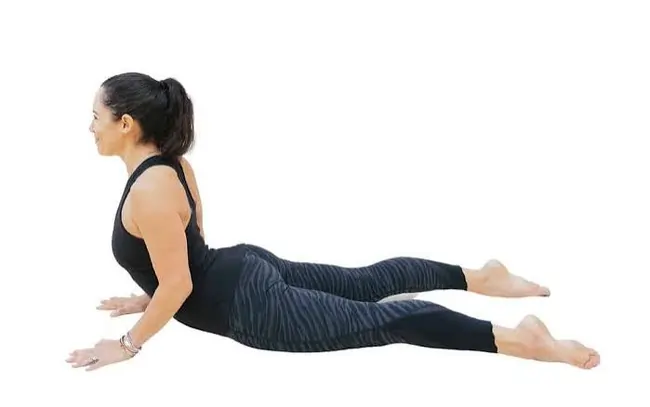
- Lie on your stomach, palms on the floor, fingertips aligned with the centre of your chest.
- To enhance padding, place a folded towel or blanket underneath your hip bones.
- Extend your legs.
- Slowly press your palms to the floor and bring your shoulder blades together.
- Keep your shoulders low.
- Maintain a deep bend in both arms as you bring your chest forward. After holding for five to ten breaths, gently return to the floor.
Child’s Pose (Balasana)
Child’s pose and variations in it stretch the lower back and hips. This pose is commonly suggested for yogis to return to during a class or sequence.
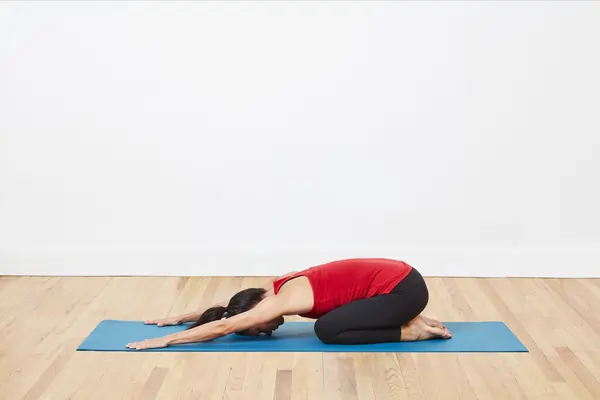
How To:
- Begin by sitting with your bottom on top of your feet, and if necessary, place a rolled blanket or towel between your legs.
- As you walk gently in front of you, bring your big toes together and stretch your knees to the side.
- Bring your forehead to the ground. If it’s more convenient, place a book, block, or blanket beneath your brow.
- Stay in this position for anywhere from 30 seconds to several minutes. To exit Child’s Pose, slowly return your hands to your body and sit up.
Savasana (Corpse Pose)
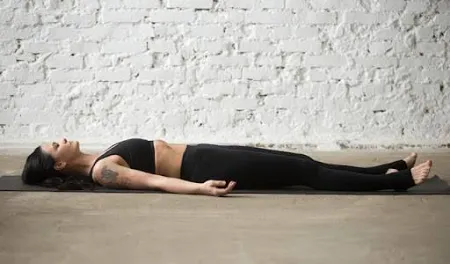
Yogis repose in Savasana at the end of their practices. This pose provides an opportunity to experience inner calm following the physical action of a yoga practice. Savasana may induce a deep state of relaxation, which aids in stress reduction.
How To:
- Lie down slowly on your back, softening (but not flattening) your lower back against the floor.
- If it’s more comfortable, rest your back and neck on a folded blanket or towel. Drop your arms to the floor. Set the backs of your palms on the ground.
- Make sure your shoulder blades are appropriately positioned on the floor.
- Soften your tongue and place it at the bottom of your mouth. Relax your face. Try to hold this pose for at least 5 minutes at the end of your practice. To depart, exhale gently and roll to one side.
- Take two or three breaths. With another exhalation, press your hands against the floor and raise your torso, pulling your head slowly behind. Your head should always come up last.
Breathwork for Beginners
Slowing your breath is just one of many possible breathwork, or pranayama, techniques. Ujjayi is another popular and traditional type of breathwork. This breathing pattern, which consists of roughly equal-length inhalations and exhalations, should be calming and refreshing. It is produced by slightly narrowing the throat’s opening to provide some airflow resistance.
An effective Ujjayi breath produces a calming sound.
A yoga instructor may lead students through one or more breathing exercises, such as Ujjayi, at the start of class.
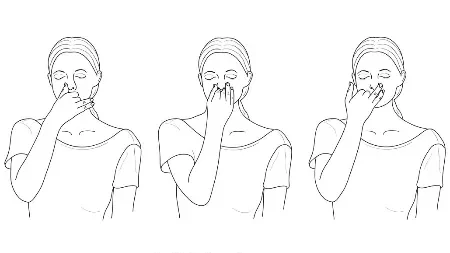
Nadi Shodhana, or Alternate Nostril Breathing
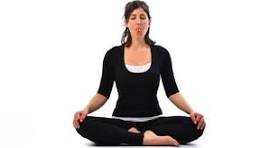
Shitali Pranayama (Cooling Breath)
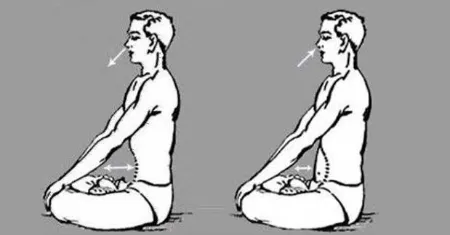
Kapalabhati Pranayama (Fire Breath)
When you first begin doing yogic breathwork, it’s normal to feel uncomfortable. If you are patient with yourself, you might eventually feel more at ease and benefit from breathwork.
Researchers discovered that pranayama is associated with less stress, better respiratory and cardiovascular health, and improved cognitive performance in a study published in the International Journal of Yoga.
When you first begin doing yogic breathwork, it’s normal to feel uncomfortable. If you are patient with yourself, you might eventually feel more at ease and benefit from breathwork.
Yoga Philosophy
According to Arora, the Yoga Sutras of Patanjali, a book written by the ancient sage Patanjali, merge a variety of yoga ideas under a single heading. The end product is methodical advice on how to attain a yogic frame of mind.
According to Patanjali, yoga consists of eight limbs, or stages, which are essentially rules for leading a fulfilling life. These limbs assist us in recognising the spiritual parts of our human nature, focus attention on our health, and prescribe moral and ethical behaviour and self-discipline.
The eight yoga limbs are:
- Yama (standards of ethics toward others)
- Niyama (inner observances and self-control)
- Asana (physical poses that many people in the West mistake for yoga)
- Pranayama (regulation of breathing)
- Pratyahara (transcendence of senses)
- Dharana, or focus
- Dhyana, or meditation
- Samadhi, or self-awareness
What to Wear
Most yoga classes don’t have a clothing code.
However, you should make sure the material you wear is flexible enough to allow for movement. Although yoga pants are trendy, you can wear whatever you feel most comfortable in—gym shorts, sweatpants, a sweat-wicking exercise top, a t-shirt, or a sports bra.
What to Bring
You probably don’t need to bring anything if this is your first time attending a studio yoga class (except for a water bottle to stay hydrated).
People frequently bring their own yoga mat or hire one from the studio.
Many studios give sanitising wipes so you can clean the mat both before and after using it.
You’ll find what you need for a comfortable experience as you practice more. If you practice at home, you could decide to buy additional props like blankets and blocks in addition to your own yoga mat.
Props and Equipment
Making yoga accessible and pleasant for you is the goal of using props. Using props provided by the studio, yoga instructors frequently show multiple adjustments for a single position.
Typical yoga props consist of:
- Yoga mats: According to Jivana Heyman, founder of Accessible Yoga, you might be shocked to hear that yoga mats are not necessary. He argues, “You really don’t have to use a yoga mat unless you really want that stickiness, that extra traction.”When working out at home, you might use wood floors, carpets, or a towel in place of a mat.
- Yoga Blocks: Another popular prop that efficiently brings the floor to you in a variety of poses and enhances your practice with stability and balance is a block. Both intermediate and expert yogis frequently utilise blocks to find alignment with less strain and to help them work within their bodies’ limitations.
- Yoga Straps: Extend your reach in poses, explains Battles, with straps. For instance, the strap helps you find alignment in more postures if you have tight hamstrings or a stiff lower back. You can use a long, flexible object like a towel, belt, sweater, or tie instead of purchasing a yoga strap.
FAQs
Is flexibility necessary for beginning yoga?
No, you don’t have to be flexible to begin practicing yoga. It’s not necessary to be flexible to start yoga. With regular practice, flexibility progressively develops. The goal of beginner sessions is to gradually increase your mobility in a safe manner.
What should new-comer yoga practitioners wear?
Beginners should dress comfortably so they may move freely. You don’t require pricey or specialised equipment. Ideal clothing is stretch-friendly, breathable, and allows you to bend, reach, and move with ease. Yoga is usually done barefoot.
How frequently should new yoga students practise?
Yoga should be practiced by beginners according to their schedule and energy level. A lot of novices begin with two or three sessions a week. Intensity is not as important as consistency. Regular practice of even shorter periods can provide consistent improvement.
Is yoga merely a form of exercise?
No, yoga is more than just exercise. Although yoga is a disciplined practice that incorporates movement, breathing, and mental attention, it can feel physically taxing. Yoga promotes balance, awareness, and stress reduction in addition to increasing strength and flexibility.
References
- (2025). Yoga for Beginners: Best Poses, Tips & How to Start. Yoga Basics. https://www.yogabasics.com/practice/yoga-for-beginners/
- Jenny McCoy. (2024). Yoga for Beginners: The Ultimate Guide to Starting Your Practice. Yoga Journal. https://www.yogajournal.com/practice/beginners/yoga-for-beginners/
- Bernardo Stogmuller. (2026). Yoga for Beginners: A Complete Guide to Starting Your Practice – ClassPass Blog. ClassPass Blog. https://classpass.com/blog/yoga-for-beginners/