Yoga for Pregnancy Back Pain
Introduction
Back pain is one of the most commonly reported issues when teaching prenatal yoga in the Prenatal Yoga Center. It can come in various forms depending on each individual and their pregnancy. Some women may experience sharp or constant pain from either the left or right lower back (usually the SI joint), mid-back, upper back, or neck, whilst others may just feel a general ache across the whole of their lower back.
One of the most common issues faced when pregnant is back pain. This can be eased via yoga. As your baby bump grows, your posture will change, and extra pressure will be put on your hips and lower back. Fortunately, there are safe and effective ways to relieve back pain through yoga.
By doing some simple yoga stretches, you can strengthen your back and become more flexible. This will relieve pressure on your spine. You can feel more relaxed and comfortable by doing these safe yoga poses for back pain while pregnant. Whether you are in your first or third trimester.
Yoga: Addressing Prenatal Back Pain
Yoga alone is a fantastic form of exercise. However, it can be especially beneficial to pregnant women due to it being gentle yet extremely effective. The stretching and extending techniques can sometimes help alleviate back pain. Or maybe the postures and breathing can help reduce back pain.
Sometimes the balance and strength can help. As you can see, there are many elements to yoga that can be very important when helping to treat the body as a whole. Especially the pain related to pregnancy.
Why Back Pain is Common During Pregnancy
Changes in Posture and Increased Weight: Lower back pain and stiffness occur because the body is adjusting to the growth of your baby. This can cause your lower back to curve more than usual.
Hormonal Changes and Joint Loosening: During pregnancy, hormonal changes such as relaxin occur in your body in order to prepare for childbirth. These will cause your joints and ligaments to loosen; however, although this is necessary, it can create discomfort and instability within the spine.
Stress on the Spine and Back: The growing uterus stresses the lower back muscles and shifts your balance. This can cause tightness in the lumbar region or pain down the sciatic nerve.
How Prenatal Yoga Helps Relieve Back Pain
Improves Posture & Spinal Alignment: Prenatal yoga will help you improve your posture and reduce strain on your back by increasing core muscular strength.
Strengthen back and core muscles: Gentle postures focusing on the lower back and abdominal muscles will help to relieve tension and increase strength.
Improves flexibility and reduces stiffness: Regular stretching increases flexibility in your hips, back, and pelvic area to reduce stiffness and pain in the third trimester.
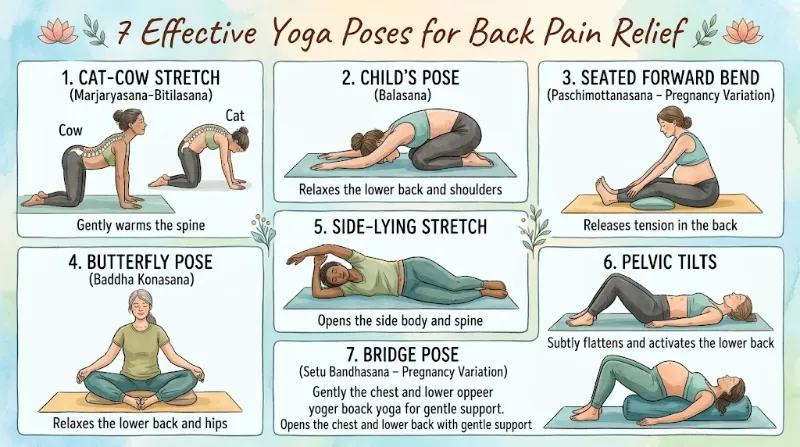
7 Effective Yoga Poses for Back Pain Relief
Marjaryasana-Bitilasana (Cat-Cow Pose)
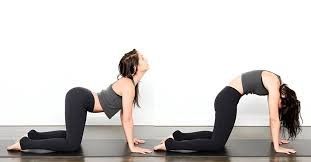
Benefits: Encourages good baby positioning. Reduces pressure on the lower back. Improves spinal movement.
Steps:
- Start in a four-point position, with your wrists directly below your shoulders and your knees directly below your hips.
- Inhale and arch your back slightly. Lift your chest up and gaze slightly upwards (Cow pose).
- Exhale and round your back. Tuck your chin to your chest and draw your abdomen in (Cat pose).
- Move slowly into each pose with control of your breathing.
- Repeat for 8-10 repetitions.
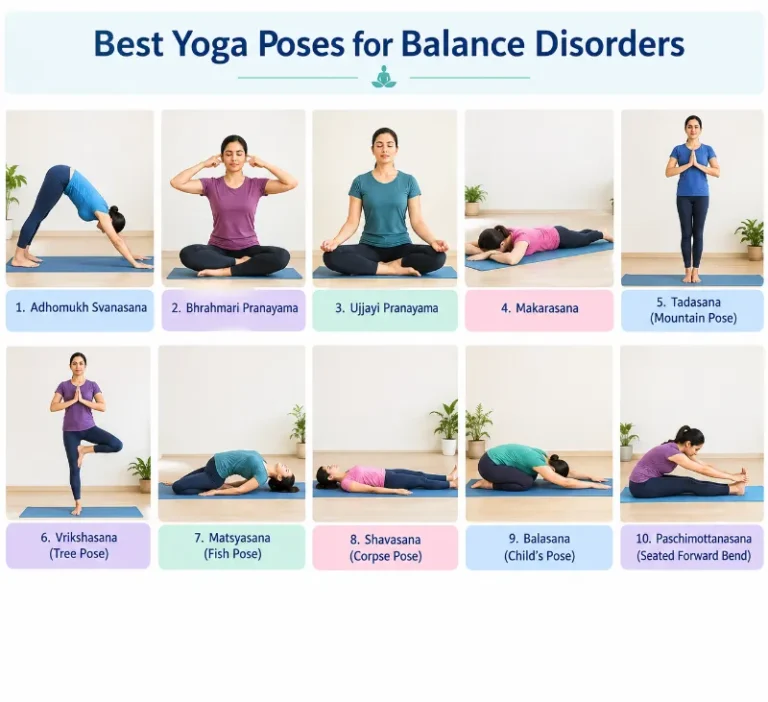
Balasana (Child’s Pose)
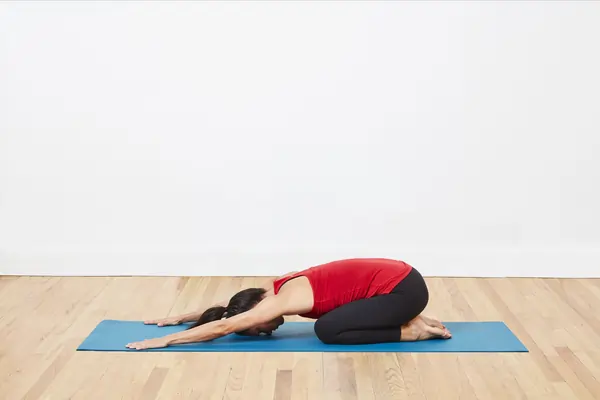
Benefits: This pose will help you to relax whilst gently stretching your thigh, hip and lower back muscles.
Steps:
- Get down on your knees. Sitting on your heels, touch your big toes together, and then spread your knees as wide as your hips. (Keep your knees closer together for a more thorough massage along the front of your body.)
- Breathe out, fold forward, and place your torso between your thighs. For your hip points to nestle down onto your inner thighs, narrow them toward your navel.
- Extend your tailbone away from the back and widen the sacrum at the back of your pelvis. To move the base of your skull away from the back of your neck, slightly tuck your chin.
- For the Extended Child’s position, extend your hands toward the front of your mat. Alternatively, release the fronts of your shoulders onto the floor by reaching back toward your feet and placing your arms, palms up, on the ground next to your torso.
- Let the shoulder blades spread out across your back due to the weight of your shoulders.
- Stay somewhere between thirty seconds and several minutes.
- To rise, extend the front body first, then raise from the tailbone as it presses into the pelvis while taking a breath.
Paschimottanasana(Seated Forward Bend)

Benefits: Helps relieve tension in the lower back and hamstrings.
Steps:
- Sit so that your legs are stretched out in front of you with a slight bend in your knees.
- Inhale, arch your back, and slowly lean forward as you exhale.
- Hold for between 20 and 30 seconds.
Baddha Konasana (Bound Angle Pose)
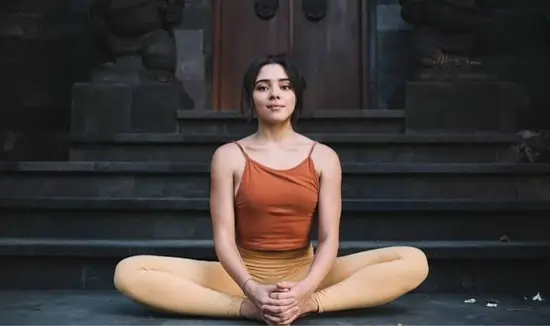
Benefits: This stretch will relieve any tension in your lower back by opening up your hips and pelvis.
Steps:
- Sit down with your knees facing outwards and the soles of your feet together.
- Bounce your knees gently whilst holding onto your feet.
- Inhale deeply and hold for 30-45 seconds.
Side-Lying Stretch
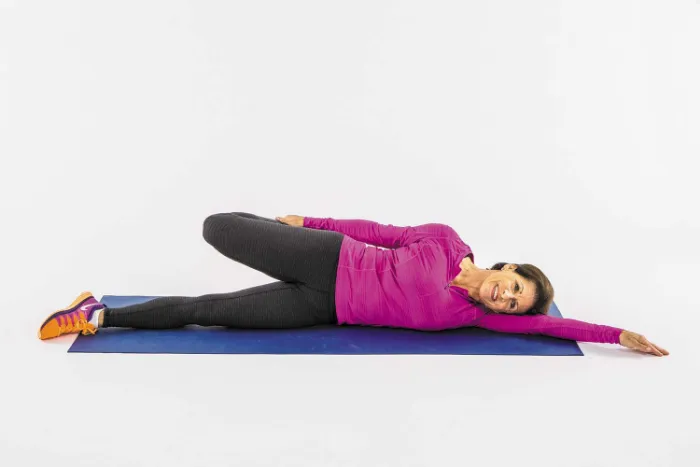
Benefits: Helps relieve pressure on hips and lower back.
Steps:
- Lie on your side.
- Stretch your legs and lift one upper arm above your head.
- Hold for between 20 and 30 seconds. Then repeat on the other side.
Pelvic Tilts
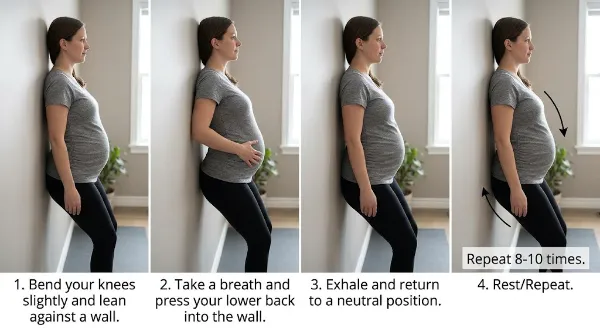
Benefits: Helps to strengthen the muscles in your lower back and core, which help to support your spine.
Steps:
- Bend your knees slightly and lean against a wall.
- Take a breath and press your lower back into the wall.
- Exhale and return to a neutral position.
- Repeat 8-10 times.
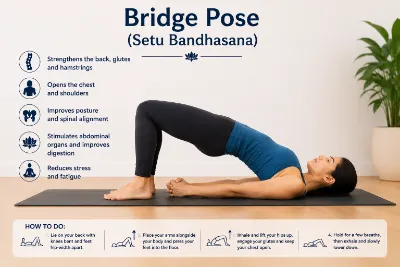
Setu Bandhasana (Bridge Pose)
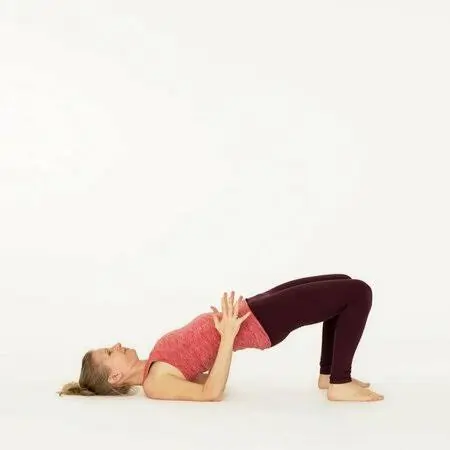
Benefit: This will strengthen your glutes and lower back, whilst also helping to relieve tension in your lumbar spine.
Steps:
- With your feet flat on the floor and your knees bent, lie on your back.
- Make sure your arms are at your sides, palms down.
- Raise your hips slowly while pressing your feet onto the ground.
- Maintain your thighs parallel and your shoulders on the ground.
- Hold for between 15 and 30 seconds, breathing normally.
- Slowly lower your hips and relax.
Tips for Practicing Yoga Safely During Pregnancy
- Avoid poses that cause you to strain your stomach: Avoid any poses that put pressure on your stomach or involve deep backbends.
- Use props for support: Using bolsters, cushions, and yoga blocks will help to give extra support.
- Listen to your body: Never push yourself into any uncomfortable positions. Adjust your position or avoid doing the pose altogether.
Conclusion
Pregnancy yoga is a great form of stretching that also offers a sense of comfort and calmness. Expectant parents will feel more relaxed and confident as their bodies start to get ready to have children, using safe postures and being mindful.
FAQs:
Can I do yoga on my back while pregnant?
Don’t overdo it. You are at greater risk of injury during pregnancy due to increased levels of relaxin in your body, which will loosen up the tissues between your joints. Avoid staying in a face-up sleeping position for extended periods, particularly once you reach 16 weeks of pregnancy.
What yoga poses to avoid while pregnant?
Yoga poses to avoid when pregnant
Deep twisting poses can put pressure on your abdominal area.
Deep back bends can overstretch.
Inversions such as arm balances and headstands can cause you to lose your balance.
Exercises such as crunches and Boat Pose will cause strain to your abdominal muscles due to intense core engagement.
In which month does back pain start in pregnancy?
Most women will suffer from some form of back pain (particularly around the lower back and pelvis) between 5 and 7 months of their pregnancy. It may begin earlier than this. Standing, sitting, or lifting can make your back pain worse. It can feel like a dull ache, mild or severe.
How to sit when pregnant for back pain?
Sitting in the correct posture is also very important. Choose a chair that supports your back, or place a small pillow behind you to support your lower back. Some retailers sell lumbar support pillows and cushions.
When should a pregnant woman start yoga?
Try to remain relaxed and avoid unnecessary stress during the first trimester, allowing your body time to adjust to the physical and hormonal changes of early pregnancy.
You are going through a lot of change in your body and will probably feel more tired. You can start prenatal yoga classes during your second or third trimester.
Is lower back pain normal in pregnancy?
Around 50% of pregnant women will suffer from low back pain at some stage during pregnancy or post-partum.
References:
- Rofita, D., Halimatusyaadiah, S., & Murni, N. N. A. (2025). The effect of Prenatal yoga on reducing lower back pain in Third-Trimester Pregnancy. JURNAL PROMOSI KESEHATAN INDONESIA, 20(3), 163–170. https://doi.org/10.14710/jpki.20.3.163-170
- Anggasari, Y., Mardiyanti, I., Andriani, R. a. D., & Handayani, N. (2024). Effectiveness of prenatal gentle yoga and effleurage massage in low back pain third trimester pregnant women. South Eastern European Journal of Public Health, 69–75. https://doi.org/10.70135/seejph.vi.754
- Newhope. (2026, October 17). Safe yoga poses for lower back pain during pregnancy. Blog. https://www.newhopephysio.com/blog/safe-yoga-poses-for-lower-back-pain-during-pregnancy/