
Common Yoga Mistakes That Cause Injuries
Introduction
Starting to practice yoga using online resources will get you started well. However, common mistakes made by beginner practitioners in the early stages can make practice ineffective, uncomfortable, and even cause injury.
From working with thousands of students, I have found that most of these mistakes are very common among beginner practitioners. It is expected that beginners make these errors, as it is a learning process, and so everyone will experience similar issues at the beginning.
The best news is that these can be easily corrected. In this article, we will look at 7 common mistakes made by beginners in yoga, how to correct them, and help you create a safer and more confident Yoga practice.
Why Beginners Make Mistakes in Yoga
Starting to do yoga at home may seem very exciting, but common mistakes can be made by new practitioners. This is largely because they are doing physical movements and practicing habits that may be new to them.
Common mistakes include:
Following the suggested Alignments Blindly
Due to differences in people’s joint ranges of movement and spinal shape (lordosis, kyphosis, scoliosis) what constitutes correct alignment will vary from person to person. However, many teachers will teach the same alignment to everyone.
As a result of forcing incorrect alignment on students, chronic and overt injuries may occur.
Lack of Body Awareness
Many people start practicing yoga without knowing much about the fundamental alignment of postures. During a posture, awareness of subtle alignments within your body should be practiced. This could be how your feet are placed, how long your spine is, or how you are breathing. For beginners, developing this awareness can take some time. If you do not have this awareness, it is easy to misalign or create tension.
Copying Advanced Poses Online
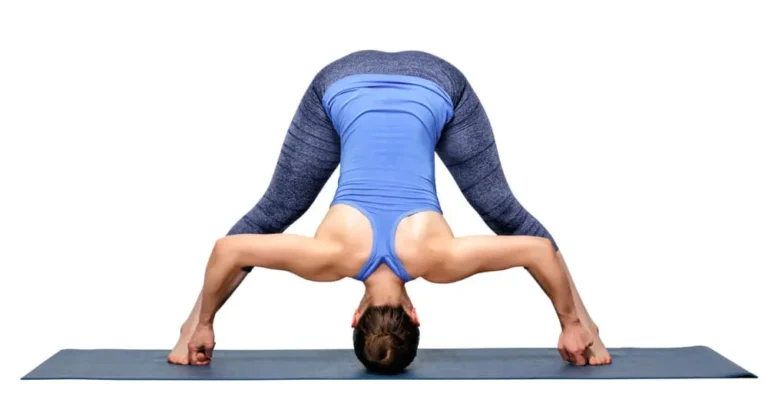
Many people starting yoga on social media platforms or video sites assume yoga is simply making stylish poses. However, complex postures may be presented on these sites that are unsuited to beginners.
Despite this, you may come across some suitable postures for beginners. More complex postures require advanced knowledge, strength, flexibility, and correct positioning. Flexibility can take time to improve, so if beginners do not have an understanding of how to correctly perform advanced postures (including safe practice), they may try to perform advanced postures too early. This may lead to incorrect positioning and severe injury.
Skipping the Fundamentals
Not following the basics in poses can be a common source of error. If you aren’t holding poses with proper form, keeping a steady breath, and moving deliberately between poses, as a beginner, you may struggle and find it uncomfortable. It may also slow down your development.
By being aware of these common errors as a beginner, you can practice in a safer, more patient way to create a sustainable practice.
The Most Common Beginner Yoga Mistakes
I have taught many students over the last 21 years and have noticed common mistakes made by beginners. These are nothing to be concerned about. It is a natural process to make mistakes when learning new skills. Some highly experienced teachers of yoga will also make similar mistakes early on in their teaching training.
By knowing what common mistakes can occur, beginner practitioners can avoid these mistakes, reduce frustration, and set themselves up for long-term success within yoga.
Common mistakes made by beginners in yoga:
Here are some common mistakes made by beginner yogis. Some quick tips for avoiding them are included.
Mistake 1: Improper Warm-Up
As a beginner, it is common for your muscles to be cold. It is well known in sports medicine that a gradual warm-up increases joint range of motion and reduces risk of injury. However, stretching suddenly can put unnecessary strain on your muscles and connective tissue.
Depending on what poses you are doing in a session, we should warm up certain muscles. In the example here, we would want to warm up our glutes before hip openers, rather than at the beginning of class.
Why it happens
Commonly, those new to yoga will not take the time to warm up. Especially with simple poses, many people will feel that warming up is unnecessary.
How to fix it
Warm up gently at the start of your practice.
- Cat/Cow pose
- Gentle spinal twists
- Shoulder rolls and arm circles.
These gentle exercises will improve blood flow through your body, allowing you to move more safely into deep asanas. It is therefore a good idea to include a brief warm-up in your practice.
Mistake 2: Forcing Flexibility
Flexibility is a popular reason for starting yoga; however, many people at beginner level may place too much strain on their bodies in an attempt to become more flexible. Forcing flexibility in this way can lead to serious muscle injuries.
Why it happens
Too much flexibility within a short time frame may cause damage to ligaments and overstress connective tissue. Studies have been published in Sports Medicine journals that suggest gaining flexibility slowly in conjunction with muscular strength.
How to fix it
Key points:
- Stability is key in these poses
- Engage the muscles around the posture.
- Breathe evenly.
- Come in and out of poses slowly. As your body becomes stable and supported, flexibility (the ability to move joints and muscles to maximum range) will improve in time.
Mistake 3: Holding the Breath
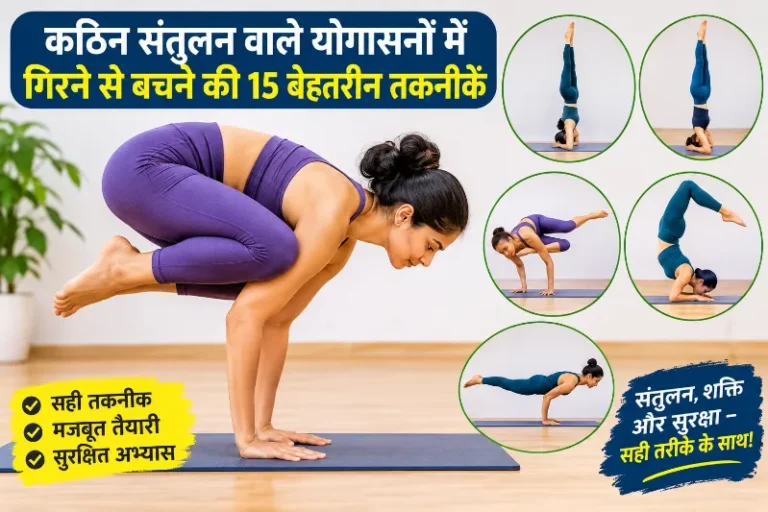
Holding the breath is common amongst beginners, particularly in balancing poses or poses of strength. People may feel that they need to hold their breath to help them stay balanced.
Why it happens
Restricting breathing can lead to excess tension within the body. This will be uncomfortable and tiring. In physiological research databases, it is often found that regular breathing can provide regulation of the nervous system and better coordination in muscle groups.
How to Fix It?
Breathe steadily through your nose. If you feel you are struggling, hold the pose and allow your shoulders and jaw to relax so that your breathing becomes even again.
Your breath is your greatest tool in yoga. Inhale and exhale with ease, allowing the movements to flow with your breath.
Mistake 4: Copying Advanced Poses
Why it happens
Many advanced yoga poses can be found on social media and online. However, it is important that you have expert instruction before attempting these poses. Many beginners are tempted to attempt some of these poses early in their practice, meaning that many people struggle to get into balance within these poses. This can cause overstretching of the muscles. In turn, motivation for yoga will decrease.
How to fix it
- Downward Dog, warrior poses, and basic balancing in standing positions.
- Getting into the correct alignment is very important.
Mistake 5: Ignoring Pain Signals
If you feel a slight stretch rather than severe pain, then that’s fine. However, if you are feeling pain, then this is a sign that too much strain is being placed on tissues within the body. The body does not understand English; it understands pain and pleasure.
Why it happens
It is common for new practitioners to feel that pain is a good sign, meaning that you are opening your body up. Often people will push through sharp pain or an uncomfortable feeling because they believe it to be progress.
How to fix it
Once you feel pain, stop. It is very important to know the difference between productive sensations and painful sensations. If you are in any discomfort, stop! Sometimes people new to yoga may be unsure what pain is.
Guidelines:
- Discomfort is fine as long as it is mild and constant.
- Pain is not okay. If the pose results in pain, move out of it gently. This is a great step in giving yourself more confidence and supporting development.
Mistake 6: Practicing Inconsistently
However, regular practice is necessary to gain the many benefits that yoga can bring. If practiced infrequently, it will be very difficult to adjust to the postures and build strength, flexibility, and coordination in the body.
Why it happens
Starting yoga can be very exciting for many people. However, due to busy lives and high expectations, many people do not get into a consistent routine. This means many people may have large gaps between classes.
How to fix it
Keep it short and simple:
- Try to do this 3 times a week (for 10-20 mins).
- Try to do this at the same time of day if you can.
- Make sure it feels manageable.
- It is best to aim for regular short sessions. Even though you may be doing little amounts, you are making great progress. Well done.
Regularity is most important.
Mistake 7: Comparing Yourself to Others
This pressure may be unhelpful. The practice of Yoga is about listening to your body & breathing, not comparing yourself to people on social media doing advanced positions.
Why it happens
On social media, there are many people displaying great flexibility. People can easily achieve headstands by the river, and this may put pressure on you to do the same. However, people have different levels of flexibility and strength. If we compare people who have been practicing yoga for 10-15 years to people just starting, it sets unrealistic expectations for people new to yoga. This can often be very discouraging for people new to yoga.
How to fix it
Consider your breath, how you feel in this pose, And Take it at your own pace. It takes time to make progress in yoga. Try to appreciate all the improvements that you make.
What Beginners Usually Improve After Fixing These Mistakes
Better Balance and Stability
As beginners become more aware of correct alignment, they begin to gain better balance and stability within poses. This means that poses requiring balance can be more confidently completed. Over time, this will improve flexibility.
Smoother and Steadier Breathing
By becoming aware of your breathing and avoiding breath-holding, you will find that your practice is very relaxing. It can decrease unnecessary stress levels and improve sleeping patterns.
Improved Posture and Alignment
As the correct body alignment is beginning to be understood, the poses will be performed much more effectively. This minimises the risk of causing an injury, pain, or strain.
Greater Body Awareness
Increased awareness: Within the postures, students begin to be aware of their bodies within the poses. This means that the student can correct each pose appropriately and practice more safely.
As a structure is in place, students learn to become aware of good alignment in postures, the limits of postures, and create safer habits within their practice. Many people develop a greater understanding of these aspects within teacher training.
When Beginners Should Seek Guidance
When practiced mindfully, yoga can be very safe. However, some support may be needed by beginners. It can be very helpful for beginners to know when to stop, adapt the pose, or get support from someone else. This advice may prevent pain or injury from occurring. It may also allow a sustainable practice to be put into place.
Chronic Pain or Previous Injuries
If you suffer from pain in your lower back, knees, neck and/or shoulders, then extra care should be taken during yoga.
Studies have shown that those with previous injuries can be at higher risk of worsening them if movement is not well guided. However, practicing yoga with a qualified instructor means that adjustments can be made to the poses, so that you do not cause further injury to the area.
Joint Hypermobility
Due to hypermobility, people may be at greater risk of overstretching. If done incorrectly by beginners without good engagement, knee and elbow joints can be forced into too much overstretch, or deep postures can be entered.
Getting advice from experts will help you get into a good position for stability and control, and work the correct muscles instead of going too deep.
Pregnancy
Due to a number of physiological and hormonal changes in the body during pregnancy, care must be taken with postures to maintain stability. Increased joint laxity may occur due to increased levels of Relaxin.
Some postures, spinal twists, or excessive core work may be unsuitable or need to be modified during pregnancy.
Final Thoughts
As a beginner, making certain mistakes in yoga is natural. However, developing an awareness of how to move your body and making small changes will aid your progress.
If these mistakes can be picked up at an early stage, practicing yoga will be much safer, easier, and more efficient. Over time, you should find that you have increased balance and control in breath and posture.
Be patient and take note of how your body feels. By being consistent with your practice (rather than striving for perfection), you will begin to really understand and appreciate yoga.
FAQs:
What is the most common injury caused by yoga?
Muscle strain and joint hyperextension injuries were most commonly reported. Lower back injuries and sprain/strain injuries made up a large proportion of injuries.
Who should not do yoga?
Most people can do some form of yoga. However, if you have certain health conditions, injuries, or situations, you may need to avoid certain positions within the practice or seek medical advice. With medical advice and supervision from a qualified instructor, gentle yoga may still be suitable.
Is it unhealthy to do yoga every day?
Practicing yoga on a daily basis is generally very beneficial for improving flexibility, strength, balance, and reducing stress, but it must be done appropriately with varying intensities. If high-intensity or repetitive exercise is practised every day, then there may be a risk of injury.
What Is the Recommended Daily Duration for Practising Yoga?
Just 15-30 minutes a day can bring real benefits to both body and mind. Consistency in practice will bring greater benefits than long, intense sessions.
Does yoga really change your body shape?
Yes! However, changes in body shape will be due to an increase in lean muscle mass, correct posture, and core strength, rather than quick weight loss.
References:
- Jain, R., PhD. (2026, June 18). 7 yoga Mistakes Beginners Make (And how to avoid Injury). Arhanta Yoga Ashrams. https://www.arhantayoga.org/blog/7-beginner-yoga-mistakes-i-see-as-a-teacher/
- Simplmobility. (2026, January 4). 6 common yoga mistakes. Simplmobility. https://simplmobility.com/blog/6-common-yoga-mistakes
- Rossi, H. L. (2016, October 14). 7 yoga mistakes that increase your risk of injury. Women’s Health. https://www.womenshealthmag.com/fitness/g19912844/how-to-prevent-injury-during-yoga/