Yoga for Groin Pain
Introduction:
The most frequent cause of groin pain is tight groin muscles. The majority of our motions involve our groin muscles operating in a frontal plane, which is a primary contributing factor to this lack of flexibility. There is no transverse plane, side-to-side training for the muscles.
Your tight groin muscles may be gently stretched by yoga poses, which can also relieve your groin pain. Not only can yoga help with muscle-related groin problems, but it will also help with other reasons.
Benefits of yoga for glute pain
- Your groin muscles can become less tense and more flexible with gentle yoga poses.
- Yoga practices can reduce inflammation caused by injuries.
- Pain from injuries can be reduced with warm yoga poses.
- By increasing blood flow to the area and supplying the blood with oxygen and beneficial elements, yoga positions can promote muscle repair.
- Particularly helpful for lymphatic system movement are leg yoga postures. This can help eliminate many possible causes of pain. This advantage will be effective if lymph nodes are the source of your groin pain.
- In addition to relieving the pain, regular yoga practice will strengthen your groin’s stability and balance, allowing you to function at a higher level.
- Extensive yoga instruction may also help maintain flexibility in your groin area and prevent future injuries. In other words, yoga works well as a preventative approach.
- Finally, but just as importantly, yoga has a significant effect on peripheral nerve stimulation and repair, which will alleviate pain caused by neurological conditions.
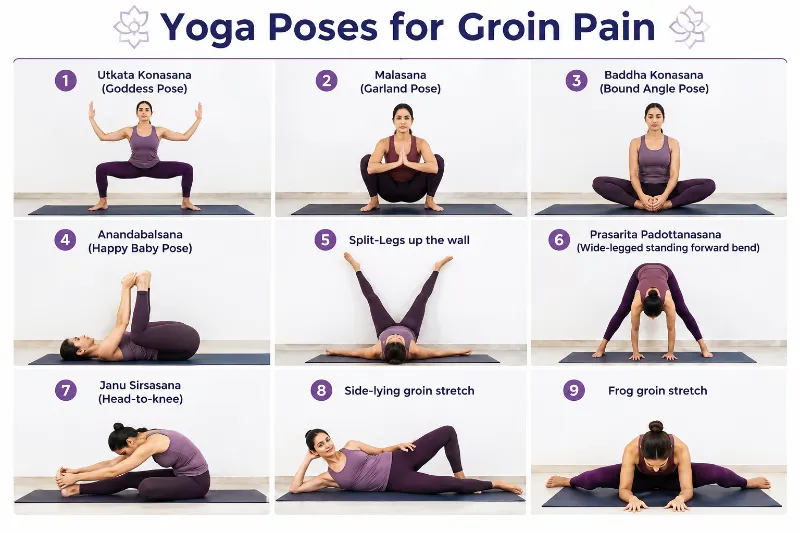
Yoga Poses for Groin Pain
Utkata Konasana (Goddess Pose)
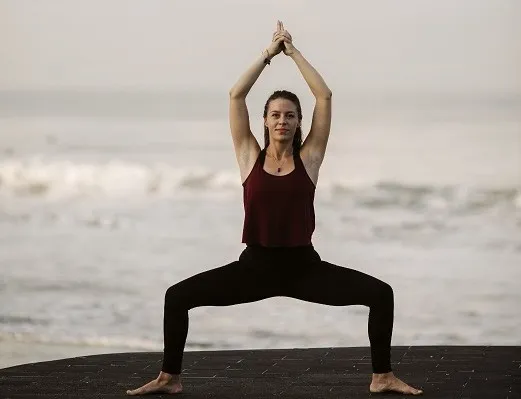
Your groin sideways stretch will be improved by the goddess pose. The goddess posture, however, focuses on your groin area, in contrast to other side-parting poses.
- Start with mountain pose.
- Depending on your height, space your feet four to five feet apart.
- Curl your toes outward.
- Bend your knees and sit in a squat such that your knees are facing in the direction of their respective sides, and your groins are stretched open sideways.
- Continue squatting until your thighs are level with the floor.
- To avoid bending forward as you would in a typical squat, maintain a straight upper body.
- Hold the position for seven breaths while breathing slowly.
Malasana (Garland Pose)
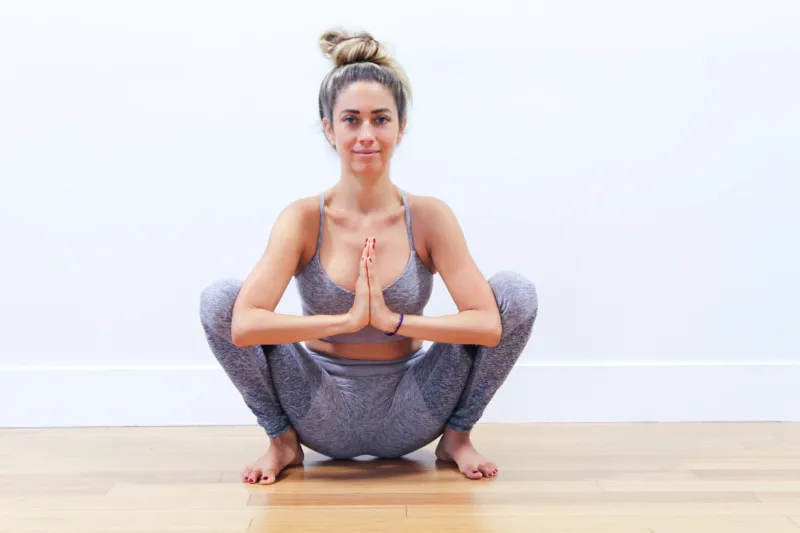
The Garland pose, sometimes called the full squat, develops strength, stability, and groin range of motion. Your knees will also benefit greatly from this position. Compared to other exercises on the list, the goddess and garland poses provide your groin with greater stability and strength.
- Place your feet hip-width apart and assume the mountain posture.
- Lift your hands straight up in front of you, at shoulder level.
- Sit in a squat with your knees bent.
- Lean your body forward slightly when you bend down.
- Complete a full seated squat by squatting all the way down.
- Allow your knees to spread out comfortably.
- For seven to ten breaths, hold the position.
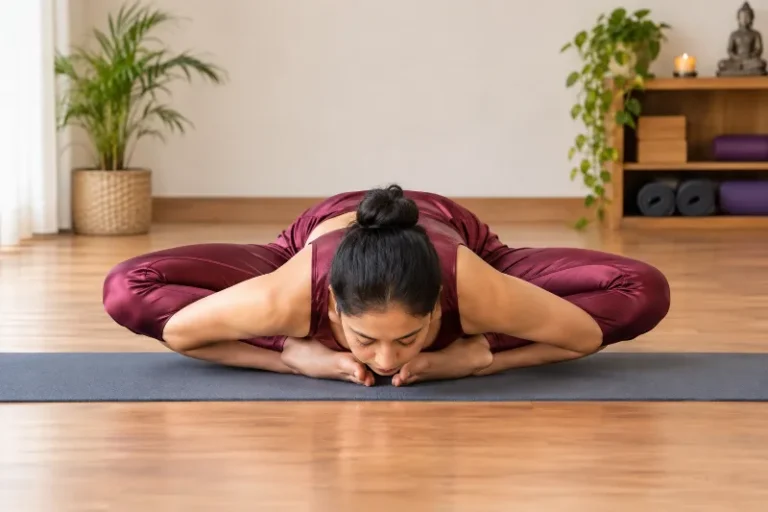
Baddha Konasana (Bound Angle Pose)
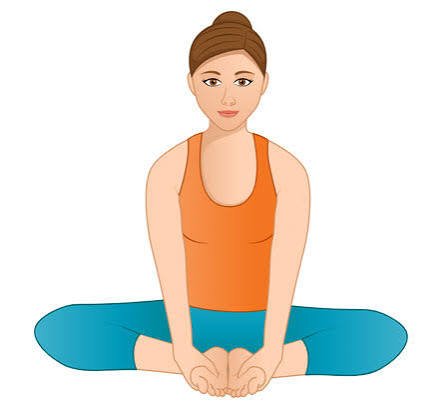
One particular position that helps relieve your groin is called the Bound Angle position. This pose has anti-inflammatory properties in addition to relieving groin muscle pain and stiffness.
- Take a staff position.
- Fold your knees up and bend.
- On both sides, spread your knees wide.
- While keeping your knees from contacting the ground, lower them toward it. Maintain a few inches between your knees and the ground.
- Join the soles of your feet together as you lower your knees.
- Put your hands around your feet and clasp.
- Lean slightly forward while maintaining a straight upper body.
- Hold the position for 20 to 30 seconds while taking steady breaths.
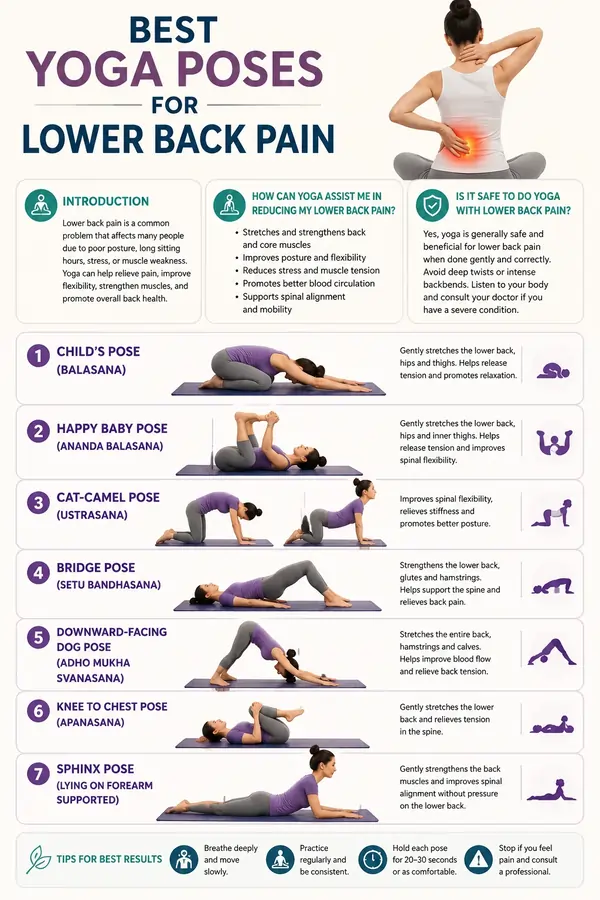
Anandabalsana (Happy baby pose)
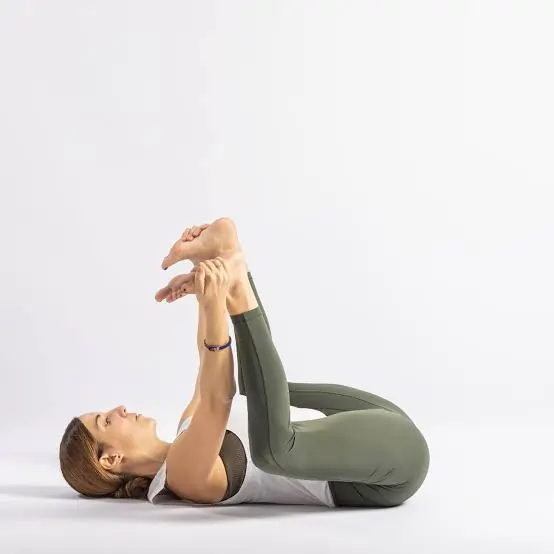
A hip and groin opener is Happy Baby. You have to execute this posture if your groin pain is due to a hip injury. It helps the groin muscles at both the hip and thigh ends. Additionally, the contented infant will be crucial in lowering your stress levels and easing your pain.
- On the ground, lie supine.
- Keep your knees and legs together.
- Fold your knees up and bend.
- Bring your knees up to your chest.
- Hold your big toes with your hand between your legs.
- Open your toes and knees on either side.
- Pull your toes and knees apart to a comfortable distance of four to five feet.
- To bring your knees closer to the floor, pull your toes downward.
- It’s acceptable to approach the floor, even though it’s ideal to contact it with your knees.
- Hold that position for 15 to 20 seconds.
Split legs up the wall
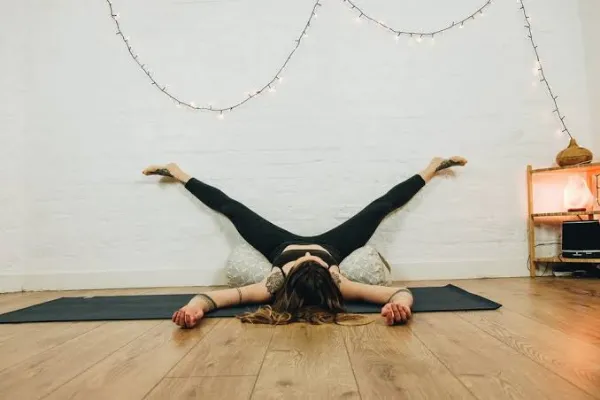
In actuality, this position is an adaptation of the legs-up-the-wall pose. The modification is specifically designed to help with groin problems. The advantages of legs up the wall, which typically improve lymphatic and blood flow in the groin and lower abdomen, will also be maintained in this posture. Your muscles will be stretched sideways by the split variant, which will improve your strength, flexibility, and neurological control.
- With your right side facing the wall, take a seat on the floor.
- Roll over and lie on the floor with your legs up the wall and your back to the floor in a single, smooth motion.
- Ensure that your sitting bones are exactly in line with where the floor and wall meet.
- Stretch your arms out at the sides of your body while keeping your back against the floor and your legs firmly placed against the wall.
- Take a deep breath and spread your legs out on each side of the wall.
- The optimal separation between your legs should be between 60 and 90 degrees, but given the potential damage, aim for a safe limit.
- Repeat the pose three times after holding it for five breaths.
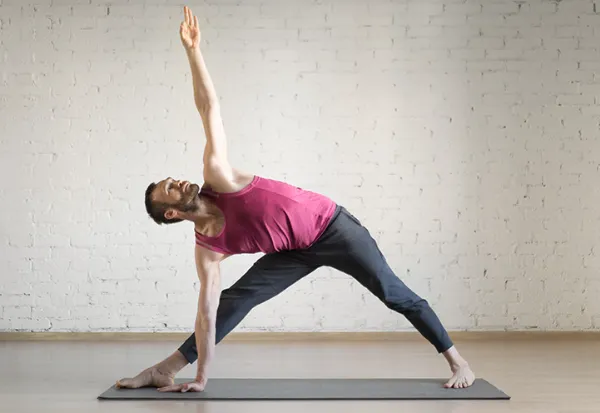
Prasarita Padottanasana (wide-legged standing forward bend)
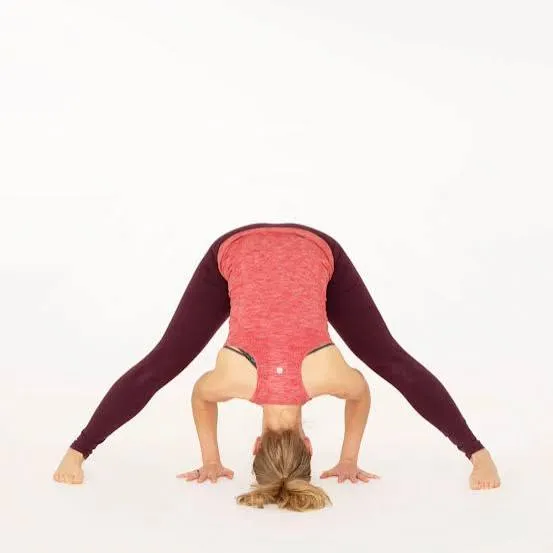
A standing forward bend with wide legs is a fantastic way to increase flexibility. The advantages of the position are triggered by a groin bend. This position may improve muscular contractions and relaxations, particularly when repeated. It has equal advantages for your groin muscles and nerves. Additionally, the wide-legged standing forward bend will increase blood flow and your metabolism.
- Place your feet four to five feet apart. Based on your height.
- Lift both hands straight up over your head.
- Bend all the way down from your groin to your upper body.
- Bend down till your hands are in contact with the floor.
- Keep your upper body straight and avoid bending your knees.
- Keep your hips stable, dive in with your chest out, and gently toss your upper body forward.
- Hold the position for two to three breaths after touching the ground. Repeat the pose five times after getting back up.
Janu Sirsasana (head-to-knee)
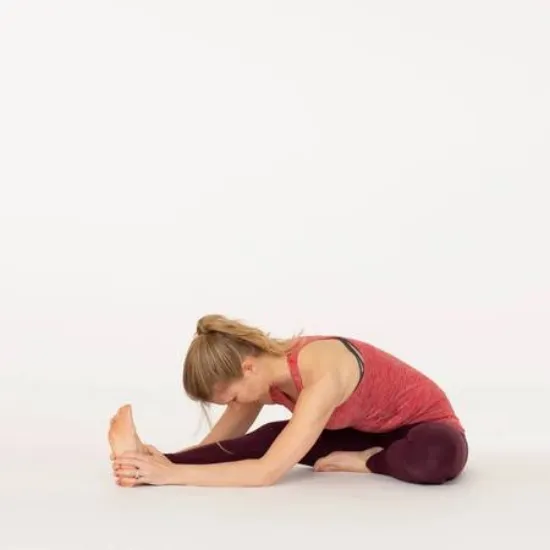
This position increases the range of motion in your groin by performing back-to-back stretches and bends. One of the few positions on the list that can also help with deep ligament issues is this one. Additionally, the head-to-knee position improves lymphatic, groin nerve, and metabolic processes.
- Take a staff position.
- Fold your right knee and bring your right foot closer to your groin without getting off the ground.
- Press your right foot up on the inside of your left thigh.
- Bend forward, keeping your upper body straight, until your forehead touches your knee.
- Avoid bending your knee.
- Hold your knees down with your hands to provide further support.
- Repeat the stance with the opposite leg after holding it for five breaths.
Side-lying groin stretch
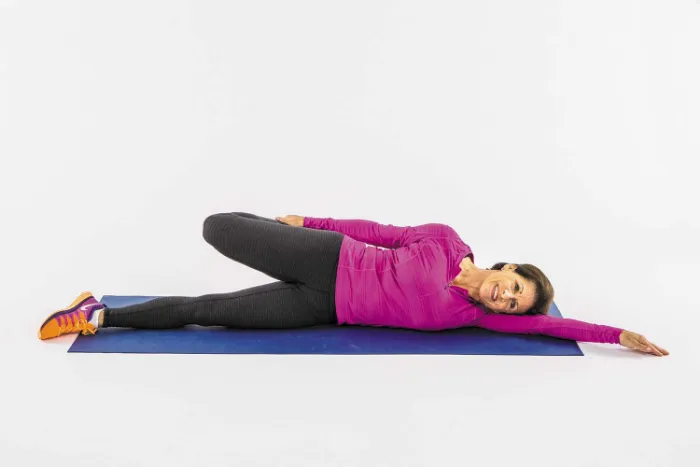
This particular stretch is certain to benefit your groin muscles’ sideways flexibility, but its main focus is on your groin muscles’ strength, balance, and control. This position will help strengthen the strength and stability in your hips. The side-lying groin stretch is something you may continue to perform in the long run to develop groin strength, agility, and flexibility.
- Lie supine on your back.
- Extend your right arm above.
- Lying down, turn to your right and balance your body completely on your right side.
- Your left leg will be placed over your right leg.
- Fold your right arm up from the elbow, bring up your head, and rest it on your right hand.
- Keep your left leg straight; elevate it.
- Raise your left leg to a point where it is at 60 degrees with the ground.
- Hold the lifted leg for 10 seconds and perform the same on the other side with the other leg.
Frog groin stretch
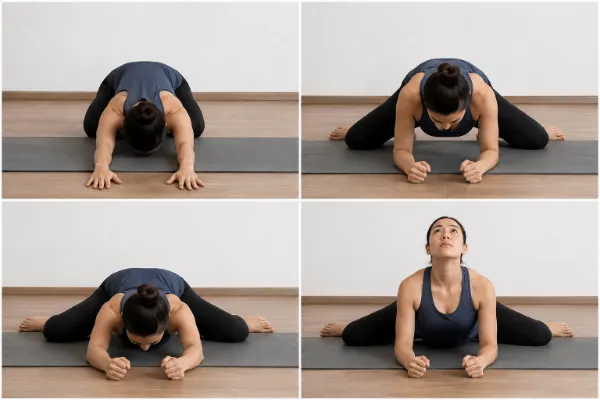
The frog groin stretch is a very easy and comfortable exercise. This posture, combined with the Bound Angle pose, is essential for pain relief. Both hip and groin pain can be relieved with the frog groin stretch. This stance will help reduce inflammation, pain, and stiffness.
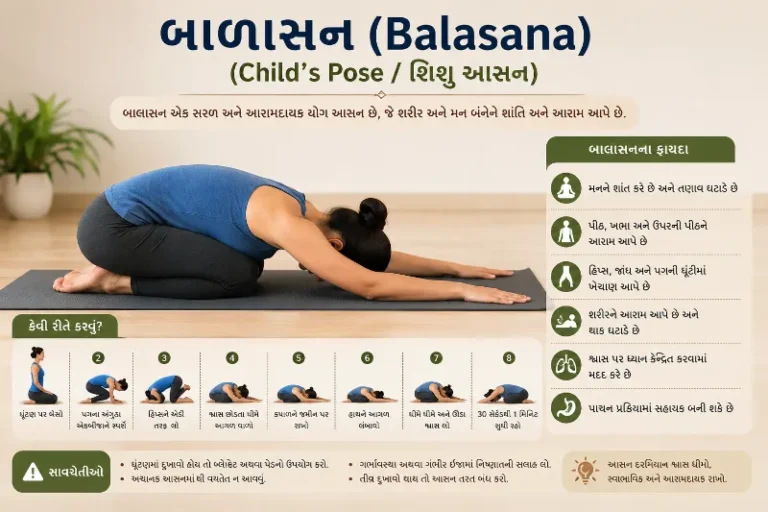
- Put yourself in a child’s position. Raise your buttocks and go forward till your hips are above your knees.
- Use your elbows to raise your upper body.
- Maintain shoulder-width spacing between your elbows.
- To make your upper body more stretched, push your chest down.
- Open your knees gently on both sides of your body.
- Make sure your knees are comfortably wide on both sides of your body.
- Stretch your groin more by pushing your pelvis down toward the floor and arching your upper body upward.
- Maintain the position for 20–30 seconds.
Yoga for Groin Pain: Precautions
- Stretching should not be uncomfortable. Avoid pushing into a deep groin stretch or forcing the legs apart. Your symptoms should not be greatly worsened by exercise.
- Take it slow at first. As your symptoms improve, progressively increase the intensity of your small-range, comfortable motions. Although loading should be pleasant, early, light movement might help avoid stiffness.
- At first, stay away from deep hip-opening positions. Poses that put a lot of strain on the adductors, like deep Pigeon Pose, Wide-Leg Forward Fold, Frog Pose, or deep Lunge variants, should be changed or avoided if they cause pain.
- Avoid bouncing or making sudden movements. An already injured groin muscle or tendon is likely to be made worse by quick, powerful motions. The adductor muscles and tendons may be severely stressed by athletic groin pain.
FAQs:
What is a red flag for groin pain?
Red flags for groin pain include sudden, severe pain in the testicle, a painful visible lump, and difficulty bearing weight. These symptoms may indicate severe conditions that require immediate medical attention, such as a fracture, strangulated hernia, or significant infection.
How to relieve groin pain?
The RICE method—rest, ice, compression, and elevation—is the quickest way to relieve acute groin pain caused by a strained muscle. Put a cold pack on for 20 minutes, promptly stop all activities, and take an over-the-counter anti-inflammatory medication
What not to do with groin pain?
When you are still in pain, avoid doing strenuous activity. For ten to twenty minutes at a time, apply ice or a cold pack to your groin area. For the next three days (while you are awake) or until the swelling subsides, try doing this every one to two hours.
Can groin pain be cancerous?
Yes, lymphoma or malignancies that have migrated to the inguinal lymph nodes may occasionally cause groin pain. But ordinary, non-cancerous conditions like muscle strains, hernias, or localized infections are far more prevalent causes of groin pain.
What can be mistaken for groin pain?
Hip flexor strain, inguinal hernia, hip labral tear, and sciatica are among the disorders that might be mistaken for a pulled groin. Problems with the hips, pelvis, nerves, or other areas may be connected to groin pain.
References:
- Maffey, L., & Emery, C. (2007). What are the Risk Factors for Groin Strain Injury in Sport? Sports Medicine, 37(10), 881–894. https://doi.org/10.2165/00007256-200737100-00004
- DeJong, A. F., Fish, P. N., & Hertel, J. (2021). Running behaviors, motivations, and injury risk during the COVID-19 pandemic: A survey of 1147 runners. PLoS ONE, 16(2), e0246300. https://doi.org/10.1371/journal.pone.0246300