10 Best Yoga for Weak Ankles
Introduction
Although ankles are sometimes neglected in our regular exercise routines, they are essential for preserving the general stability, mobility, and balance of the body. Several issues, such as persistent discomfort, reduced mobility, and an increased risk of sprains and fractures, can result from weak or rigid ankles.
Yoga provides a comprehensive solution to these problems since it emphasizes strength, flexibility, and balance. Yoga may help you develop stronger, more resilient ankles via focused postures and conscious practice, which will improve your everyday mobility and athletic performance.
We’ll look at how yoga may help strengthen and increase the flexibility of your ankles in this post. We’re going to explore certain ankle-focused yoga positions and offer a thorough how-to for integrating them into your practice. This book will provide helpful insights and doable measures to attain pain-free, flexible, and strong ankles, whether you are an athlete trying to improve your performance, recuperating from an ankle injury, or just trying to avoid future issues.
You may significantly enhance the health of your ankles by spending a few minutes a day doing these exercises, which will help you lead a more active, pain-free lifestyle and improve your general physical well-being.
The Importance of Ankle Strength and Flexibility
As the key connection between our feet and the rest of our body, ankles are essential to our everyday activities. They are frequently overlooked in typical exercise regimens, despite their significance. Ankles that are flexible and strong promote general body stability, improve sports performance, and guard against injuries. Weak or rigid ankles can result in a number of problems, such as persistent discomfort, decreased mobility, and an increased risk of sprains and fractures.
The ankle’s structure, functions, and the importance of preserving its strength and flexibility will all be covered in this section. Knowing how important ankle health is can help you see how important it is to include certain workouts and routines in your fitness routine in order to maintain healthy, strong ankles. We will also go over the typical issues with weak ankles and how strengthening and stretching them may improve your general physical health, from increasing your balance to avoiding accidents and falls.
How Yoga Enhances Ankle Mobility and Prevents Pain
In order to improve general health and well-being, yoga is a comprehensive practice that combines physical postures, breath control, and mindfulness. Improving joint flexibility and mobility, notably in the ankles, is one of yoga’s major advantages. The benefits of yoga for the ankles will be discussed in detail in this part, with an emphasis on the ways that yoga poses and exercises improve ankle health. You may improve your ankles’ range of motion, lessen stiffness, and minimize pain by doing yoga on a daily basis.
We’ll go over the fundamentals of yoga’s ability to increase ankle mobility, including the significance of correct alignment, progressive stretching, and strengthening of the ligaments and muscles surrounding the ankle joint.
Additionally, by promoting a balanced and flexible joint, yoga may help avoid common ankle problems like sprains and chronic pain. By learning about these advantages, you’ll be more prepared to include yoga in your practice to maintain healthy, pain-free ankles.
Mindful and Restorative Yoga for Weak Ankles
Combining restorative and mindful yoga practices may improve foot and ankle health in addition to the physical advantages of foot and ankle yoga activities. While restorative yoga entails maintaining poses for extended periods of time to release tension and stress in the body, mindful yoga focuses on the present moment and being fully present in your body.
Essential Yoga Asanas for Weak Ankles
Now that we are aware of the significance of ankle strength and flexibility as well as how yoga may improve ankle mobility, let’s explore a carefully chosen range of yoga postures and exercises that are especially meant to target the ankles. These exercises can help you prevent pain and damage in this important joint while also increasing your strength and flexibility.
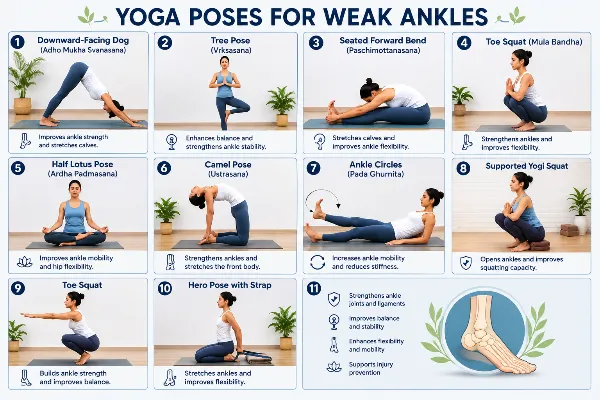
Downward-Facing Dog (Adho Mukha Svanasana)
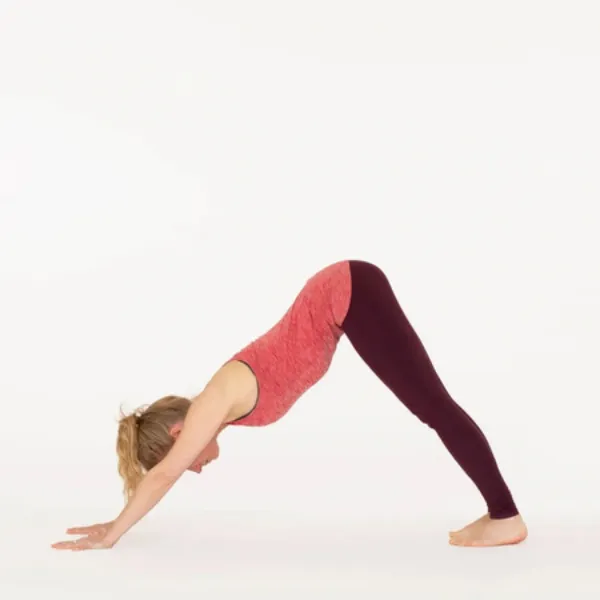
- Make an inverted V shape by starting on your hands and knees and raising your hips toward the sky.
- Draw your heels toward the floor while firmly pressing your hands into the mat.
- Experience a profound stretch through your ankles and around the backs of your legs.
- Hold for 30 to 60 sec.
Vrikshasana (Tree pose)
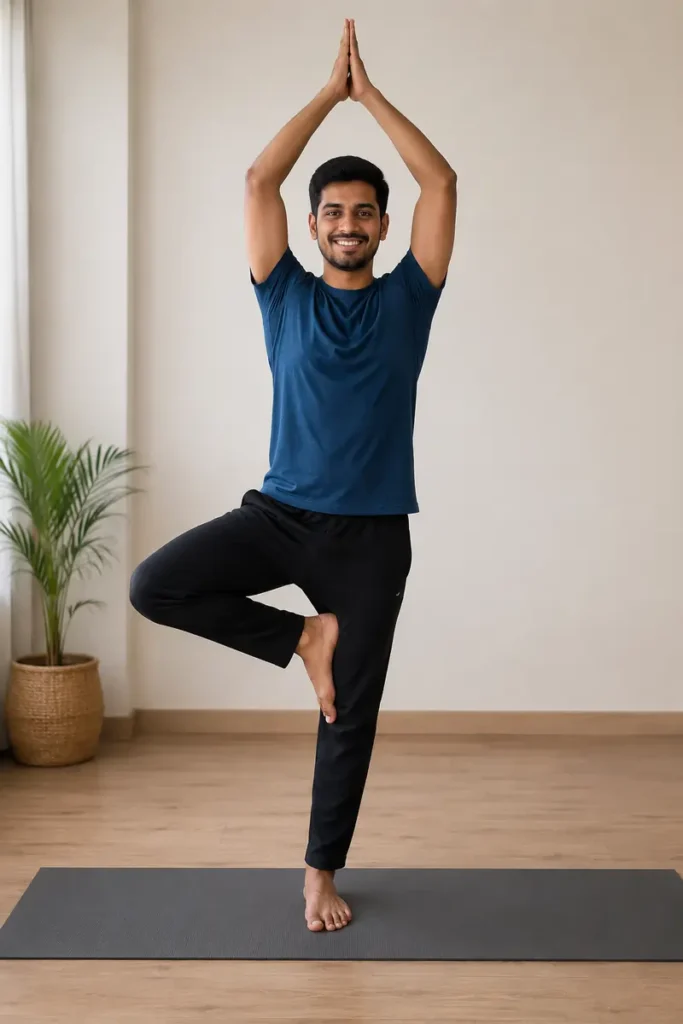
- Place your feet hip-width apart and take a tall stance before shifting your weight to one foot.
- Place the sole of your foot against your inner thigh, calf, or ankle (avoid the knee joint) while bending your other knee.
- To find equilibrium, press your foot into your leg and your leg back into your foot.
- Raise your hands above your head or bring them to the center of your heart.
- After 30 to 60 seconds of holding, switch sides.
Seated Forward Bend (Paschimottanasana)

- With your legs out in front of you, take a seat on the ground.
- Maintaining a long spine, hinge forward from your hips and grab your feet or shins.
- Let your torso collapse over your legs and let your shoulders and neck relax.
- Experience the stretch through your ankles and along the backs of your legs.
- Hold while inhaling deeply for 30 to 60 seconds.
Toe Squat (Mula Bandha)
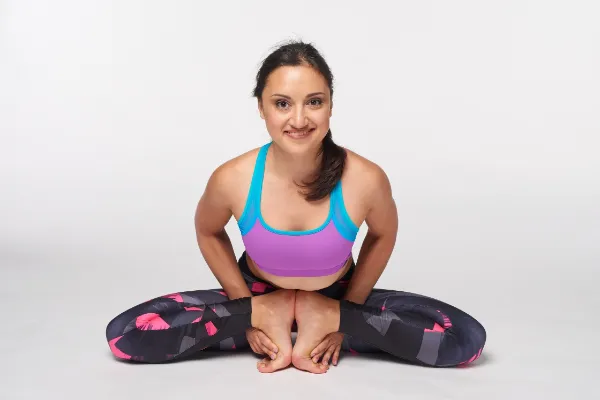
- Sit back on your heels while kneeling on the ground with your toes tucked under.
- Maintain a straight back and place your hands on your knees or thighs.
- Feel the stretch along your ankles and on the soles of your feet.
- Hold while inhaling deeply for 30 to 60 seconds.
Half Lotus Pose (Ardha Padmasana)
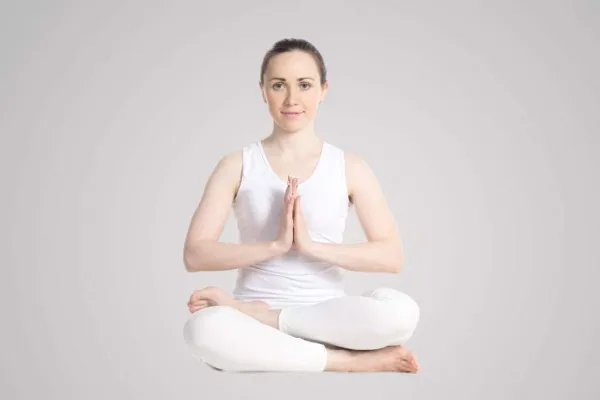
- With your legs outstretched, sit on the floor.
- Bring your heel closer to your navel while bending your right knee and placing your right foot on your left thigh.
- You can either bend your left leg and bring your left foot closer to your right hip, or you can maintain it extended.
- Feel your hips and ankles stretch as you sit up straight and take deep breaths.
- After 30 to 60 seconds of holding, switch legs.
Camel Pose (Ustrasana)
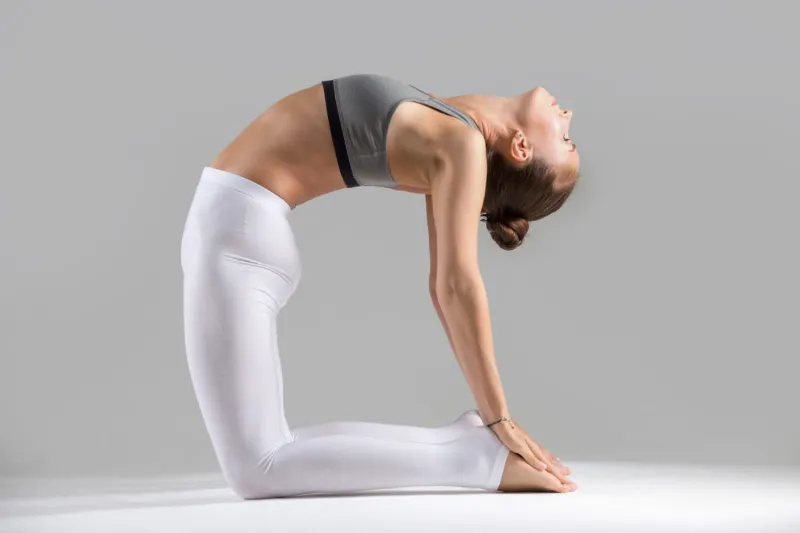
- Place your knees hip-width apart on the ground.
- With your fingers pointed downward, place your hands on your lower back.
- Lift your chest toward the ceiling by arching your back and pressing your hips forward.
- Reach back and grasp your heels with your hands if it seems comfortable.
- Stretch your abdomen, the front of your ankles, and your chest.
- Hold while taking deep breaths for 30 to 60 seconds.
Ankle Circles (Pada Ghurnita)
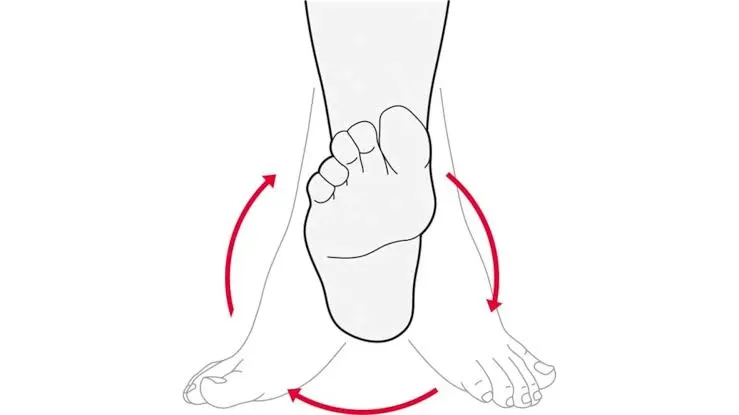
- Extend your legs and take a comfortable seat on the floor.
- Raise one foot off the ground and start spinning your ankle in both clockwise and counterclockwise directions.
- Examine your ankle joint’s whole range of motion while concentrating on fluid, controlled motions.
- Change to the opposite foot after a few circles.
- For one to two minutes, repeat on each foot.
Supported Yogi Squat
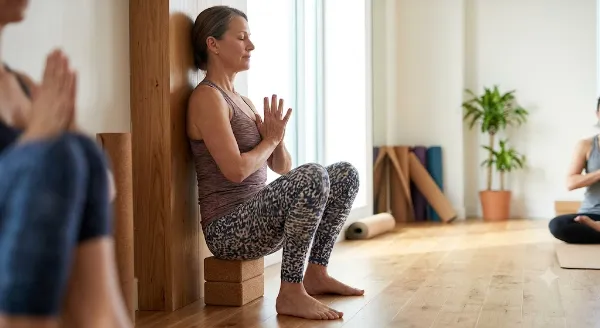
This supported squat pose stretches the calves, quadriceps, and hips while also improving ankle flexibility, mobility, and stability.
- Place your feet slightly wider than your hips and begin in a standing forward fold. Your ankles will extend more deeply the closer your feet are to one another. Make 45-degree turns with your toes.
- Put a brick between your feet at a medium height. Once you are seated comfortably on the block, lower your hips.
- Squeeze your thighs inward and gently press them open with your elbows while bringing your palms to the center of your heart. Draw your navel inward and upward. Don’t raise your heels.
- Try shifting your feet closer together or taking the block away if your ankles don’t feel stretched. Hold for eight breaths.
Toe Squat
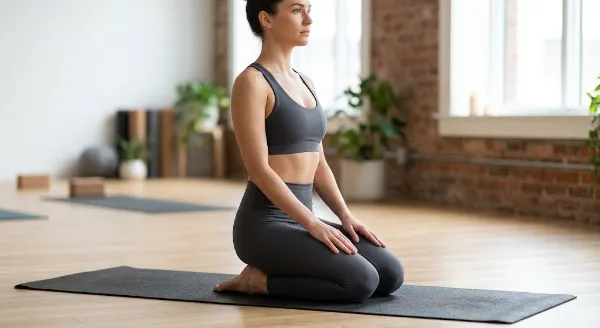
By stretching the backs of the ankles, toes, and the fascia on the bottom of the feet, this pose counteracts the impact of wearing shoes.
- Start on your hands and knees on a tabletop. Tuck your toes under and bring your legs all the way together.
- Place your hips back on your heels and slowly move your hands toward your thighs.
- Raise your chest and contract your abs.
- Hold for eight or ten breaths.
Hero Pose with Strap

This pose promotes a great stretch across the ankle and increases ankle mobility from front to back.
- On your mat, begin kneeling. Put your strap around your ankles a few times by reaching back behind you.
- To prevent your ankles from rolling outward, the strap should be tight.
- Relax on your heels.
- Raise your chest straight while keeping your hands on your thighs.
- As you hold for eight to ten breaths, feel the deep stretch in your ankles.
Precautions:
- To reduce the chance of losing your balance, practice yoga on a solid, non-slip mat.
- Weak ankles may not be able to support weight on one leg for extended periods of time.
- As ankle control improves, start with short holds and progressively extend them.
- Exercise intensity may need to be lowered if pain, swelling, or instability worsen later in the day.
FAQs:
Can yoga help strengthen my ankles?
Through single-leg balancing, active stretching, and thoughtful weight distribution, yoga strengthens and stabilizes the small muscles surrounding your ankle. In order to retain control, key positions like Mountain, Tree, and Chair Pose require your feet to grip the mat and make little adjustments.
How do I strengthen a weak ankle?
Concentrate on resistance exercise, mobility, and stability to strengthen a weak ankle. Exercises like heel-to-toe walks, resistance band stretches, calf lifts, and single-leg balances will help you develop muscle control, enhance joint response, and avoid sprains in the future.
What causes very weak ankles?
Extremely weak ankles are usually caused by nerve problems, strained or loose ligaments, lower leg or hip muscle imbalances, or persistent ankle instability from previous injuries. Joint arthritis and structural foot features like flat feet or high arches can also cause the ankle to feel unstable or give way.
How to tell if your ankles are strong?
You can use the knee-to-wall mobility test, unweighted single-leg calf raises, and your single-leg balancing time to assess how strong and stable your ankles are. You can complete 25 to 30 continuous heel lifts, walk on rough surfaces painlessly, and balance with ease when your ankles are strong.
Are weak ankles genetic?
Ankle weakness can, in fact, be inherited. Although previous sprains are a common cause, you may inherit structural characteristics that impair joint stability, such as flat feet, high arches, or loose ligaments (ligamentous laxity). Additionally, certain gene variants related to muscle balance and collagen composition may raise your risk.
References:
- Danhauer, S. C., Mihalko, S. L., Russell, G. B., Campbell, C. R., Felder, L., Daley, K., & Levine, E. A. (2009). Restorative yoga for women with breast cancer: findings from a randomized pilot study. Psycho-Oncology, 18(4), 360–368. https://doi.org/10.1002/pon.1503
- Cameron, I. D., Gillespie, L. D., Robertson, M. C., Murray, G. R., Hill, K. D., Cumming, R. G., & Kerse, N. (2012). Interventions for preventing falls in older people in care facilities and hospitals. Cochrane Database of Systematic Reviews, 12, CD005465. https://doi.org/10.1002/14651858.cd005465.pub3
- Martin, R. L., Davenport, T. E., Fraser, J. J., Sawdon-Bea, J., Carcia, C. R., Carroll, L. A., Kivlan, B. R., & Carreira, D. (2021). Ankle stability and movement coordination impairments: Lateral ankle ligament sprains. Revision 2021. Journal of Orthopaedic and Sports Physical Therapy, 51(4), CPG1–CPG80. https://doi.org/10.2519/jospt.2021.0302