
Yoga After Cesarean Delivery
Introduction
A type of yoga called postpartum yoga can help new mums recover and increase strength after giving birth. This is achieved through gentle movements, therapeutic postures, and breathing exercises that support your body, mind, and emotional well-being.
Postpartum yoga has been specifically designed with new mums in mind. It can help improve posture, reduce pregnancy, labour, and childcare-related tension, and rebuild pelvic floor and core strength.
Studies have shown that incorporating mindfulness and relaxation techniques into your yoga routine can help to improve your emotional wellbeing by helping you to feel calmer, stronger, and kinder towards yourself as you adapt to the many changes that come with being a young mummy.
When Can I Start Yoga Postpartum?
The best time to start practicing yoga will depend on:
- How you gave birth to your baby (C-section or vaginal)
- What your doctor recommends
- How well you are recovering
- Most women will be able to do gentle postnatal yoga 6-8 weeks after giving birth, if they have their doctor’s permission.
General Timeline:
Vaginal delivery (no complications): After 6 weeks and with a certificate of fitness from your doctor, you may be able to do light yoga and breathing exercises.
C-Section (cesarean): With permission from your doctor, you can start to do yoga. You should leave it for at least 8 – 12 weeks for your abdominal muscles and incision to heal fully.
In case you experience any of the following signs, it’s best to wait and consult your doctor before starting:
- Heavy bleeding or clotting
- Severe abdominal or pelvic pain
- Chest pain, difficulty breathing, or feeling faint
- Signs of infection like fever, swelling, and unusual discharge
With complications:
- If you had any of the following:
- Severe tearing
- Rectal diastasis
- Post-partum Hemorrhage
- Pelvic Floor Issues
You may need more time: Talk to your healthcare professional and start with gentle breathing and stretching exercises until you are fully cleared for more active roles.
Benefits of Postpartum Yoga
Yoga for postpartum can support your physical, emotional, and mental well-being and help you holistically heal after birth:
Strength Rebuilding: Often, new mothers will suffer from weak muscles, especially in their core, back, and pelvic floor. Research shows that postnatal yoga can help strengthen your pelvic floor and abdominal muscles, helping to improve your posture and stability. This can reduce pain during daily activities such as carrying, feeding, and lifting your baby.
Promotes Mental Health: Postnatal depression is a common issue for many new mums and can be caused by hormonal changes, more responsibility, and less personal time. Practicing yoga can help relieve symptoms of postnatal depression by using relaxing techniques, mindful breathing, and gentle exercises. Research shows that yoga helps avoid or reduce symptoms of postnatal depression, promotes emotional balance, and reduces stress and anxiety.
Relieves Stiffness & Improves Posture: Constantly holding and feeding your baby can cause stiffness in your neck, shoulders, and back. Postnatal yoga will relieve this with gentle stretches and postures that will lengthen your spine and build strength in your back, shoulders, and core muscles. This will reduce any pain and stiffness you have and help put your posture back into alignment.
Helps avoid tiredness and lack of sleep: Trying new routines and finding it hard to sleep can cause you to become tired. However, practicing yoga makes you feel more energetic and lively. Gomati Woli, a yoga expert who has taught post-natal yoga for many years, says that ‘Yoga Nidra triggers the parasympathetic nervous system to reduce your Cortisol levels, therefore helping you to sleep more deeply.’
Helps with Breastfeeding: Hormonal fluctuations due to postpartum stress and lifestyle changes can cause breastfeeding difficulties. However, studies show that practicing yoga can help to lower stress and help you to get into hormonal balance, which will give you and your baby a positive, healthy breastfeeding experience.
Best Postpartum Yoga Poses for Healing and Recovery
After giving birth, you will need time to recover, but practicing the right yoga positions and breathing exercises can help you feel your best, relieve stress, and build up your strength. Here are some of the best yoga positions for after childbirth.
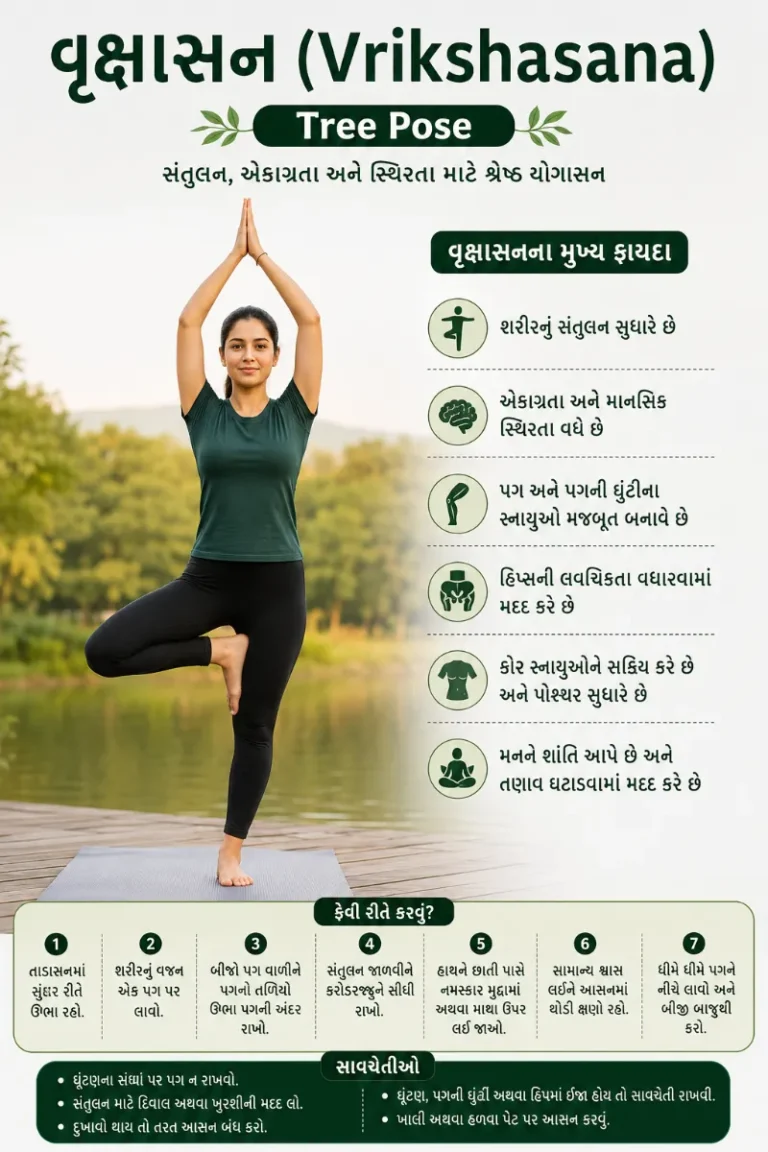
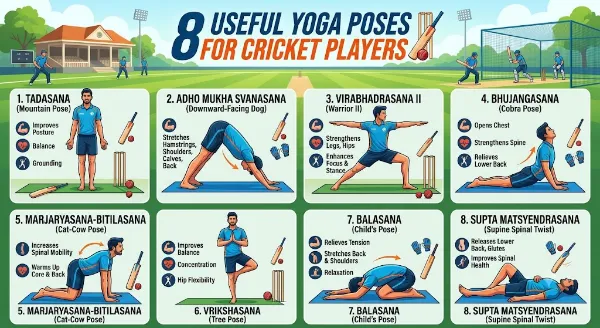
- Mountain Pose
- Seated Spinal Twist
- Legs Up The Wall Pose
- Pelvic Tilts
- Cobra Pose
- Warrior Transitions
- Goddess Pose
- Bridge Pose
- Plank Pose
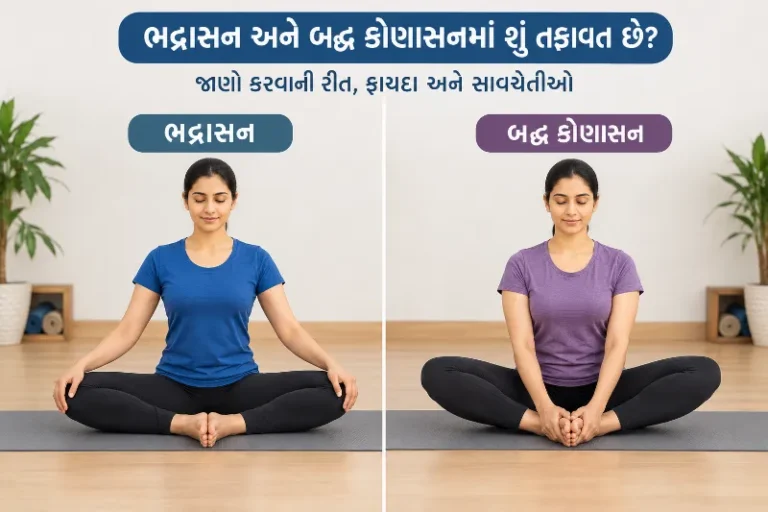
- Reclined Butterfly Pose
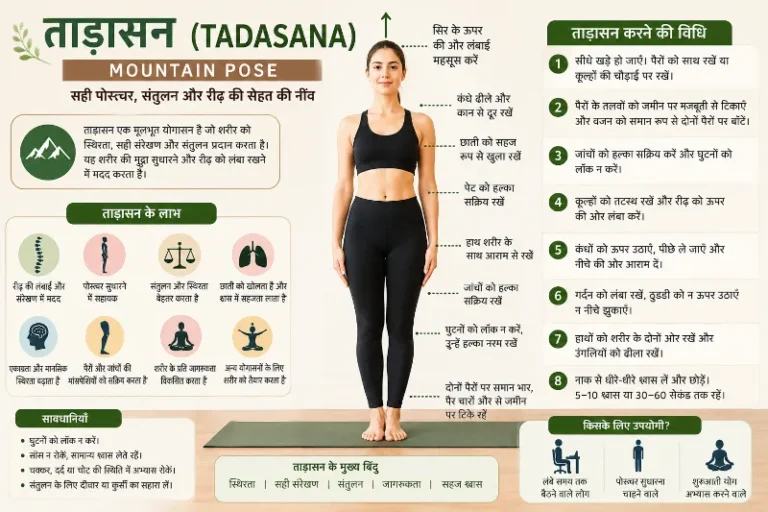
Tadasana (Mountain Pose)
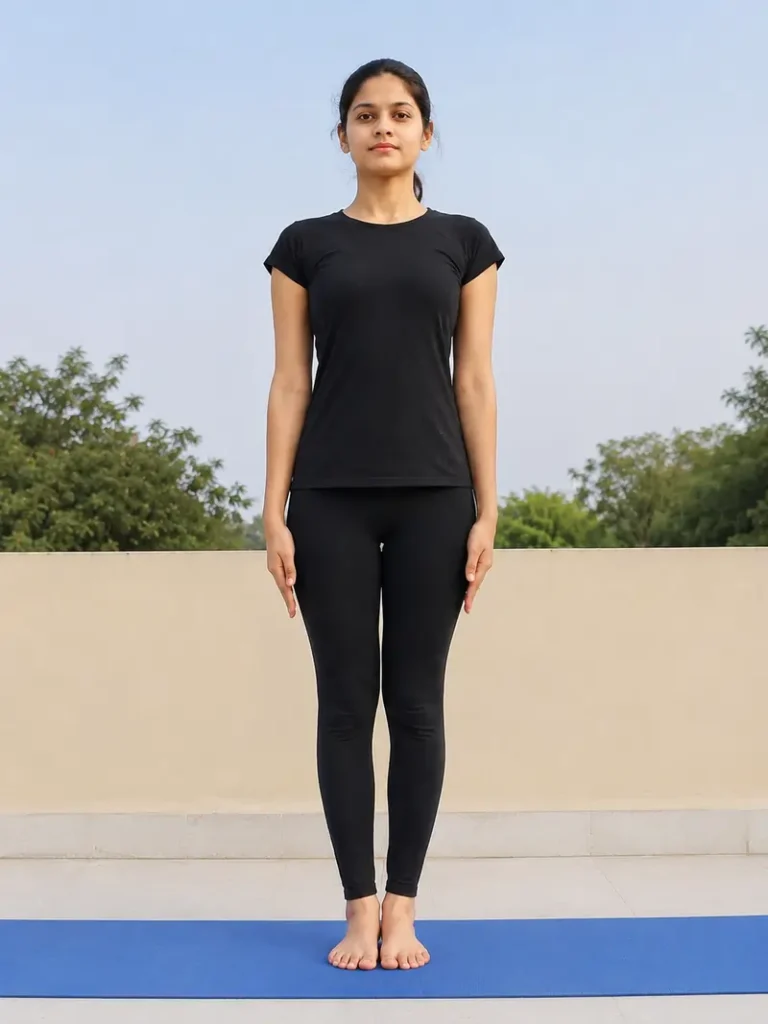
By stretching the spine, this pose enhances posture and relieves shoulder and back pain that is frequently brought on by nursing. Additionally, it improves stability and balance.
Steps:
- Place your feet hip-width apart and press them firmly into the floor.
- Gently raise your kneecaps while engaging your thighs.
- Maintain a long back, relaxed shoulders, and arms at your sides.
- Hold the stance for five to ten breaths while taking deep breaths.
Safety Tips & Modifications:
- Stand back against a wall for support.
- Do not lock your knees.
- Shift your weight so that it is evenly distributed across both feet to keep your pelvis in line.
Ardha Matsyendrasana (Seated Spinal Twist)
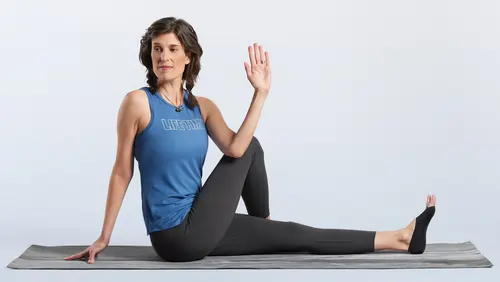
A gentle stretch that helps aid digestion, increases mobility in the spine, and relieves tension in the shoulders and back.
Steps:
- Sit cross-legged, keeping your back straight.
- If sitting on a mat makes your knees uncomfortable, place a pillow or bolster under them.
- Place your right arm behind you and your left arm on your knee.
- Inhale and exhale, and gently turn to the right to stretch your spine.
- Repeat on the other side after 5 breaths.
Safety Tips & Modifications:
- Avoid twisting deeply.
- When sitting cross-legged, if you find the position uncomfortable, then straighten your legs out and flex your knees slightly.
- Avoid if you experience any stomach pain or a pulling sensation.
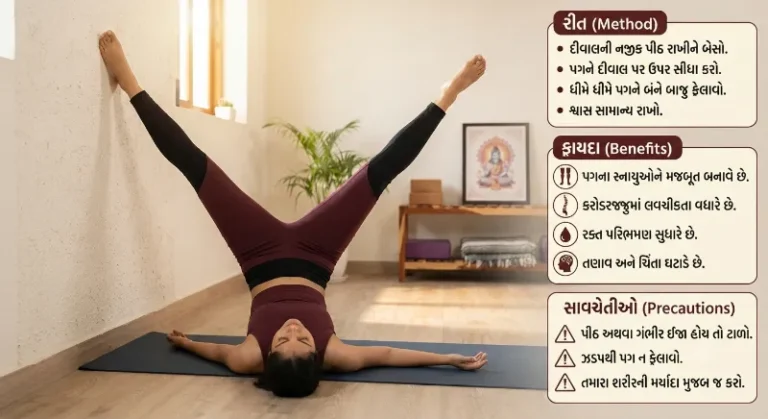
Viparita Karani (Legs-Up-the-Wall Pose)
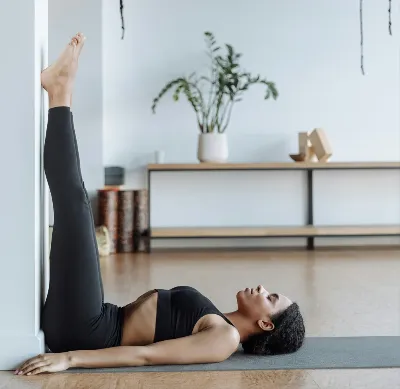
This healing position helps relax your pelvic floor and calm your nervous system. It also reduces swelling in the ankles and feet.
Steps:
- Lay your legs up against the wall.
- Place a rolled-up blanket underneath your hips for extra comfort.
- Lie back with your arms by your side.
- Hold it for five to ten minutes after taking a deep breath.
Safety Tips & Modifications:
- Avoid if you have a risk of blood clotting or high blood pressure
- Knees should be kept slightly bent if your hamstrings are tight.
- Place a small pillow under your head to reduce strain on your neck.
Pelvic Tilts

This exercise strengthens the abdominal and pelvic floor muscles and helps to improve your posture and pelvic alignment, which can be upset during pregnancy and birth, causing back pain.
Steps:
- Lie down on your back.
- Bend your knees and place your feet hip-distance apart.
- Inhale and slowly tip your pelvis upwards to flatten out your lower back against the floor. Exhale.
- Hold for a few minutes, then release.
- Repeat ten or twelve times.
Safety Tips & Modifications:
- If you find it uncomfortable to lie flat, place a cushion beneath your lower back.
- If you have diastasis recti, avoid over-engaging your abs and instead concentrate on mild motions.
- If you get stomach or pelvic pain, stop.
Bhujangasana (Cobra Pose)
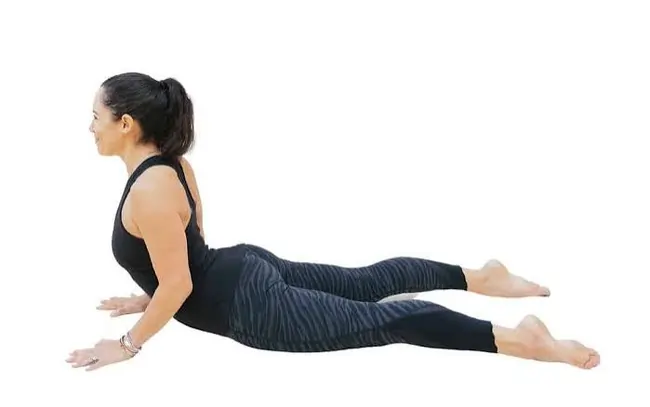
This great pose helps improve posture and reduce back pain by strengthening your back, core, and abdominal muscles, which can often become weak post-pregnancy and birth.
Steps:
- Lie face down with your hands tucked under your shoulders.
- Bend your elbows slightly and inhale. Push your chest up using your back muscles.
- Hold for 5-8 deep breaths and release.
Safety Tips & Modifications:
- This will help avoid overstressing your lower back.
- If you feel any discomfort when lying flat on your stomach, don’t do it (especially if you’ve had a C-section).
- Place a rolled-up blanket under your ribcage for extra comfort.
Virabhadrasana I–III (Warrior Transitions)
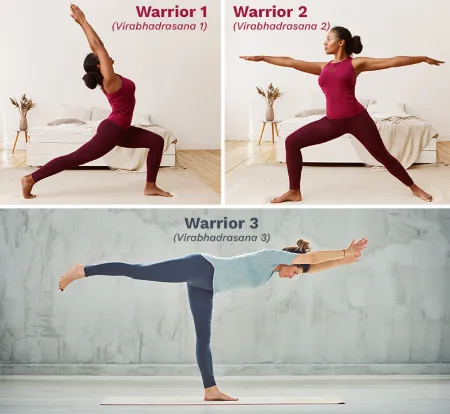
Warrior Transitions will help you build strength in your legs and core and improve your balance and stamina to help you become stable and strong after becoming a new mummy.
Steps:
- Begin by standing with your feet hip-width apart. Your hips should be facing forward on the mat. Leave your left foot behind you and your right foot ahead.
- Raise your arms above your head and bend your knees. (Warrior I).
- Bring arms up to the sides and open your hips. (Warrior II)
- Bring arms up and raise your back leg. Exhale as you do so. (Warrior III). If finding it difficult to balance on one leg, then you can skip this pose.
- Hold each pose for a few breaths before switching sides.
Safety Tips & Modifications:
- Use a chair or wall for support during Warrior III
- If you experience instability in your pelvis, avoid deep lunges
- Sit with a shorter range of movement to reduce strain on your hips.
Utkata Konasana (Goddess Pose)
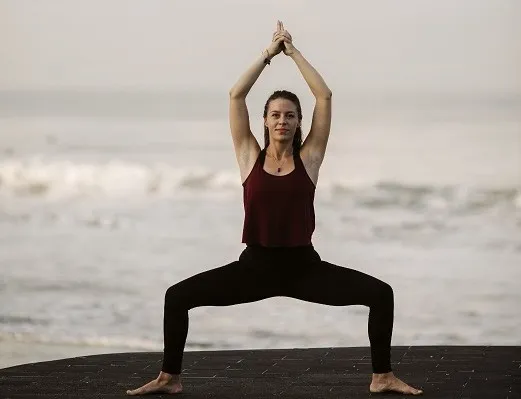
The Goddess Pose is an excellent way to help improve your posture, increase your hip flexibility, and strengthen your core and pelvic floor muscles. It can also help aid general recovery after childbirth.
Steps:
- Stand with your feet wide apart and your toes turned slightly out.
- Bend your knees to lower into a squat position where your thighs are parallel to the floor.
- Make sure you keep your core tight and back straight.
- Hold for 5-10 breaths.
Safety Tips & Modifications:
- Use a wall for support
- Avoid dropping your hips too low to protect your pelvic floor in the early stages of recovery.
- Keep your knees in line with your ankles to avoid putting strain on your joints.
Setu Bandhasana (Bridge Pose)
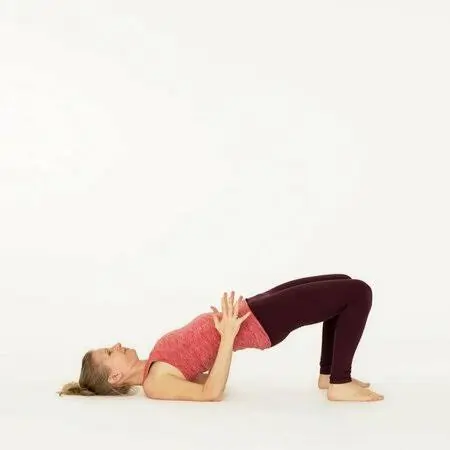
This is great to aid recovery after childbirth by gently opening up the chest and shoulders whilst building strength in the lower back region, glutes, and pelvic floor.
Steps:
- Bend your knees and lie on your back with your feet hip-width apart.
- Engage your core and glute muscles and lift your hips by pushing through your heels.
- Leave your hands at your sides or interlace them under your back. Shoulders should be relaxed.
- Lower your hips down after holding for a few breaths.
Safety Tips & Modifications:
- Supported version: Use a yoga block under your lower back.
- Make sure you do not push your hips up too high to keep your abdominal area healing.
- Do not turn your head. Keep your neck relaxed.
Phalakasana (Plank Pose)
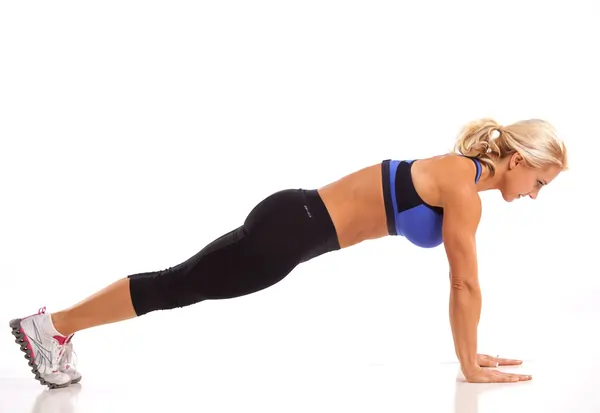
A great way to build up your overall strength and stamina after having a baby is to practice the plank pose.
Steps:
- Repeat this by arching both legs back so that you can reach your toes.
- If this is causing any pain, then try doing a gentler version with your knees down.
- Ensure that your body forms a straight line from your head to your heels. Core muscle engagement and keeping your wrist neutral to your shoulder will help.
- Hold for 30-60 seconds and slowly lower down.
Safety Tips & Modifications:
- Kneel to take some pressure off your pelvic floor and core muscles.
- If you have a bad case of diastasis recti, don’t do this exercise until you have been given the green light by a doctor.
- Ensure that your shoulders and hips are evenly balanced to help avoid back pain.
Supta Baddha Konasana (Reclined Butterfly)
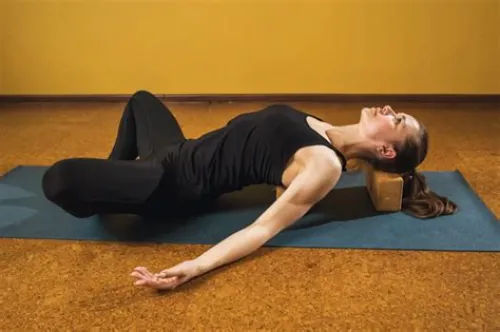
This position will help you to release tension in your pelvic floor muscles by gently opening your hips, inner thighs, and groin. It can help reduce stress and anxiety and encourage you to take long, slow breaths.
Steps:
- Lie back with your feet together and let your knees fall open.
- You can put a couple of cushions under your knees for extra support.
- Take some deep breaths with your arms by your sides.
- Hold for 2-3 minutes.
Safety Tips & Modifications:
- Use a bolster under your back to make it slightly sloped if lying flat is uncomfortable.
- If the position makes your hips or groin painful, then avoid it.
- Avoid actively pushing your knees down. Move gently.
Postpartum Yoga Poses to Avoid
It is very important that you know what positions to avoid and do when recovering from childbirth. In the early stages of recovery, your body is still recovering from pregnancy and childbirth, and certain positions can cause more damage, stress muscles that are weak, or can slow down recovery.
Below is a list of main yoga positions and techniques you should avoid to prevent postpartum complications and how to modify them to make them safer:
Deep Backbends (e.g., Full Wheel, Camel Pose)
Too much in deep backbends may cause overstretching in front of the body, which can cause more pressure on the abdominal wall. This can make diastasis recti worse (abdominal separation). It can also cause pain in the healing scar from a C-section. This can cause too much compression in the lower back if you’re still regaining core stability.
Safer Modification: Choose gentle heart opener postures such as the Sphinx pose and Supported Bridge pose until your back and core musculature have healed completely.
Inversions (e.g., Headstand, Shoulderstand, Handstand)
The increased intra-abdominal pressure can place undue strain on the healing abdominal muscles and pelvic floor. In addition, it will cause a temporary increase in blood pressure. This can be a concern for mothers experiencing postnatal hypertension.
Safer Modification: The increased intra-abdominal pressure can place undue strain on the healing abdominal muscles and pelvic floor.
Core-Intensive Poses During Diastasis Recti Healing (e.g., Boat Pose, Sit-Ups, Double Leg Lifts)
Aggressive core exercises can actually slow down healing and increase abdominal separation. This is because doming or bulging of the abdomen puts pressure on the connective tissue (called the linea alba) that runs between your abdominal muscles.
Safer Modification: Focus on light core activation exercises such as heel slides, pelvic tilts, or supported planks (on forearms with knees on the floor).
Hot Yoga
Hot yoga can cause you to become dehydrated and dizzy and can cause your body to overheat. All of these are dangerous during postpartum recovery, and especially so if you are breastfeeding, as it can affect milk supply.
Safer Modification: Practice in a cool, well-ventilated space. Take plenty of breaks to drink water.
If you experience pain, discomfort, pressure in the pelvis, bulging around the abdomen, or more bleeding in any position, stop immediately and talk to your healthcare physician. Postnatal yoga is to aid recovery, not speed recovery.
Postpartum Yoga Breathing Exercises and Relaxation Techniques
Relaxing poses are important to use along with breathing exercises. Here are some simple relaxing methods. Relaxing postures are important to use along with breathing exercises. Here are some simple relaxing methods.
Nadi Shodhana Pranayama (Alternate Nostril Breathing)

This breathing exercise will help you stay calm after giving birth by calming your nerves and reducing stress and anxious feelings.
Steps:
- Sit up with a straight back.
- Slowly breathe in through your left nostril while gently closing the right nostril with your right thumb.
- Release the breath through your right nostril while keeping the left nostril closed with your right ring finger.
- Inhale through your right nostril. Gently block your right nostril and slowly breathe out through your left nostril.
- Concentrate on taking slow, deep breaths and repeat 8-10 times.
Ujjayi Pranayama (Victorious Breath)
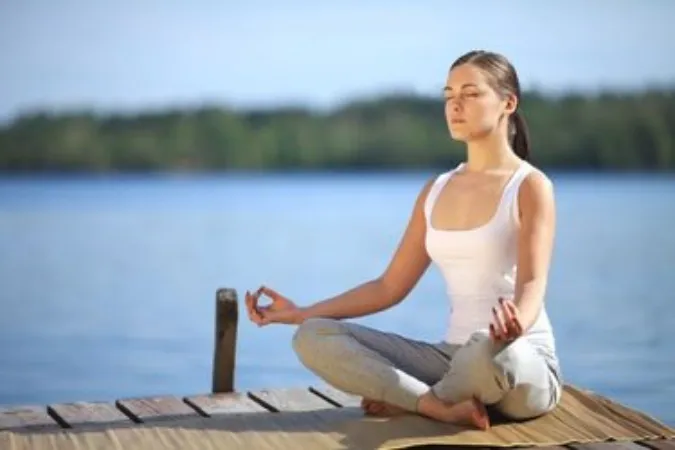
This breathing method will help you to relax by reducing stress, increasing awareness, and calming your mind. It can also strengthen your lungs so you can breathe easier post-birth.
Steps:
- Sit comfortably with your shoulders relaxed and back straight.
- Close your mouth and take some deep breaths through your nose. Make a soft noise in the back of your throat, like you are breathing in waves from the ocean.
- Breathe in deeply and then exhale slowly.
- Continue to breathe evenly and rhythmically for 5-8 minutes.
Bhramari Pranayama(Humming Bee Breath)

This breathing exercise can help reduce anxiety and tension and relax your nervous system. It can be especially helpful for new mums who may be suffering from symptoms of depression post-birth, fatigue, and feeling overwhelmed.
Steps:
- Sit comfortably with your shoulders relaxed and your back straight.
- Close your eyes, put your index finger on your eyebrows, and gently press your thumbs into your ears.
- Inhale and exhale while making a gentle buzzing noise like a bee.
- Hum as you exhale 5-10 times. Focus on how relaxing and vibrating it feels.
Surya Bhedana Pranayama(Sun-Piercing Breath)

This breathing technique can help you to be more focused, clear, and energised whilst also reducing anxiety.
Steps:
- Relax your shoulders and sit up straight with your hands on your knees.
- Lightly use your right ring finger to seal your left nostril.
- Inhale deeply and slowly through your right nostril.
- Blow out on the left side by closing your right nostril with your thumb.
- Ensure that your breathing is nice and controlled. Repeat this process 5-10 times.
- Feel the energy building in your body.
Diaphragmatic Breathing

This will lower your stress levels and help you to feel more relaxed so you stay calm and full of energy while helping to speed up the healing process.
Steps:
- Bend your knees and sit or lie flat.
- Place a hand on your stomach and a hand on your chest.
- Take a long breath in through your nose and allow your belly to rise.
- Exhale slowly through pursed lips, letting your belly fall.
- Try to really focus on expanding your diaphragm. Do this for 5-8 breaths.
Safety Considerations for Postpartum Yoga Routine
Postnatal yoga should be approached with care, as your body will still be recovering from giving birth. Here are some top safety tips to keep you safe:
- You can commence gentle stretching and twisting exercises between 10 and 15 days after childbirth.
- You can commence light exercise such as yoga around 6 weeks post-birth. Always seek medical advice prior to commencing any exercise programme.
- After a C-section, it is recommended that you wait until 3-6 months and consult your physician before commencing an exercise programme.
- Start with short sessions of 20-30 minutes. Gradually increase the length of your yoga session as your body gets stronger.
- If you experience any pain, dizziness, or extreme tiredness, stop straight away. Don’t push yourself or force any pain, especially in your abdominal or pelvic muscles.
- Inform your coach, stop practising, and see a doctor if you experience any unexpected symptoms – for example, extreme tiredness, severe pain or excessive bleeding.
- Begin with gentle postures and breathing exercises to help relax and energise your body. If possible, try to gain advice from a qualified postnatal yoga teacher.
- It is vital to remember to follow these safety tips to ensure that you have a safe and effective postnatal yoga routine.
Conclusion
Be patient and take your time when recovering after a C-Section. Postnatal yoga can help you get back on your feet after having a C-section by helping improve your strength, flexibility, and confidence. In the first 6 weeks, you can do some deep breathing and gentle stretches. From weeks 6- 12, you can gradually increase the number of supportive poses you do. Once you are past 12 weeks, focus on doing some modified bridge pose and gentle abdominal work to help get your core back.
If you’re unsure or need some guidance, online postnatal yoga classes can help. All the exercises are safe at this stage of your recovery, as certified instructors will guide you through them. Practicing mindfulness and using professional advice will help you on your path to a smoother and faster recovery, so you can enjoy those precious early moments with your baby.
FAQs:
How many days after a C-section can I do yoga?
If your postnatal check shows everything is healing as expected, you could begin a more general, gentle yoga routine at six weeks. If you have had a C-section, you can begin some pelvic floor and breathing exercises within the first week. However, wait until six weeks to begin exercising your abdominal muscles.
What is the 5-5-5 rule for C-section recovery?
The 5-5-5 rule is a modern take on old post-natal traditions such as doing the month or la cuarentena. It encourages intentional recovery with five days in bed, five days on the bed, and five days around the bed. This also builds upon the idea of the fourth trimester, which can be a period of deep physical and mental postnatal recovery.
Which exercises to avoid after a C-section?
You may be advised to avoid high-impact exercises (like aerobics, running, resistance/weight training) for at least 12 weeks by your doctor, as your core abdominal muscles may be weaker, along with your lower back.
Is it normal to gain weight after a C-section?
Weight Retention Causes
Excessive Weight Gain – One of the main causes of retaining weight after having your baby is putting on too much weight during your pregnancy. Poor Diet – Not eating well after giving birth can cause issues with losing weight.
Which is safer, C-section or normal delivery?
Fewer complications: Overall, you are likely to be safer having a vaginal birth rather than a C-Section. This is especially true if you have had an uncomplicated pregnancy. Less costs: Some families may choose to have a vaginal birth as it is often cheaper than a C-section.
Is sitting ok after a C-section?
Fewer complications: Overall, you are likely to be safer having a vaginal birth rather than a C-Section. This is especially true if you have had an uncomplicated pregnancy. Lower costs: Some families may choose to have a vaginal birth as it is often cheaper than a C-section.
References:
- Postnatal yoga for C-Section recovery: What’s safe and when to start. (n.d.). https://mamily.in/customer/explore-details/postnatal-yoga-for-c-section-recovery-whats-safe-and-when-to-start
- Rushali. (2026b, October 26). Postpartum Yoga: Poses & Tips for Weight Loss & Stress Relief Post Childbirth. MyYogaTeacher. https://myyogateacher.com/articles/postpartum-yoga
- M, M. V. (2025, March 19). 10 gentle yoga poses to support recovery after a C-Section. https://www.apollopharmacy.in/momverse/a/yoga-post-c-section-recovery?srsltid=AYCX9vID7meVt4pyzCVe8dmtY0QYsbaubNxyCSt4CWaXvzBWcNYhD8kB