
Yoga and a Healthy Diet for Weight Loss
The two most crucial weight-loss strategies in the world are diet and exercise. They are proven to help you reduce weight and enhance your health and way of life. Exercise helps you get in shape, and diet aids in fat loss. Eating healthily and going to the gym are undoubtedly challenging. Changing one’s diet and lifestyle seems simple on paper, but it is frequently difficult. Workplaces, which today demand workers put in over 12 hours a day, have a significant influence on lifestyles.
It becomes more and more challenging to find time for daily exercise and home-cooked meals as a result. So, how can you maintain a healthy diet while living the current metropolitan lifestyle? There are two elements to the solution: yoga can be used in place of the first exercise. It is simpler to do and has comparable health benefits. In the same vein, eating well can be altered and made simple.
Here are the yoga positions and a weight-loss eating plan to give you a comprehensive idea of what a healthy life may look like. It will be simple to begin and maintain this regimen.
Can Yoga Really Help You Lose Weight?
Indeed, yoga can aid in long-term weight loss. It is not as effective as high-intensity exercise. Yoga enhances metabolism, hormones, muscle activation, and behavior in addition to burning calories.
You may improve your mental health by getting in shape and connecting with your spiritual side thanks to all of these elements. Here is a thorough analysis of the scientific benefits of yoga for weight loss.
How Does Yoga Burn Fat?
The main effect of yoga is to increase your body’s metabolism, which enables your body to burn fat on its own.
This is how it operates: Suryanamaskar and other active yoga positions can increase heart rate and enhance calorie burn. Each round can burn between 13 and 15 calories. You can burn up to 150 calories in ten rounds.
You can connect with your spiritual side by practicing yoga poses. This may assist you in lowering your body’s cortisol levels. Your body can reduce fat, particularly around your abdomen, by reducing cortisol, the stress hormone.
Planks and chair poses are excellent yoga positions for strengthening your core and engaging your muscles. It increases your body’s resting metabolism, enabling you to burn fat even while you’re not moving.
Finally, yoga enhances one’s awareness of one’s body. Overeating and emotional eating can be prevented by reducing emotional stress and baggage.
Who Should Choose Yoga for Weight Loss?
Beginner to Exercise: Stretching and yoga for beginners will help you increase your range of motion if you’re new to working out.
It doesn’t require any equipment and is simple to start. Busy Professionals: You can still lose weight by doing yoga in brief sessions. Individuals with Joint Pain or Injuries: Yoga is low-impact and good for joints. For those who experience high levels of stress, yoga and meditation can be effective stress relievers. Benefits include controlling cravings and reducing emotional eating.
Why Combine Yoga + Diet for Faster Weight Loss?
When combined with nutrition, yoga offers several health and wellness advantages that speed up weight loss. This approach uses the enhanced metabolism that comes from practicing yoga to help your body lose fat on its own.
Here’s a detailed explanation of how and why these two methods work better when combined.
- The Combination of Exercise and Calorie Deficit
- Theoretically, when your body is in a calorie deficit, you lose weight. Calorie deficit: what is it? It occurs when your body burns more calories than it takes in each day. What role do yoga and weight-loss diets have in a calorie deficit?
- Why Are Results Faster Together?
- This is the ideal follow-up question, and the response is fascinating. The problem is that studies have demonstrated that combining physical activity with dietary modifications can result in weight loss that is two to three times more effective than either activity alone. This holds true for both solitary exercise without dieting and dieting alone.
- Why does this happen? It happens because:
- A diet by itself could help you lose weight, but it can also decrease your metabolism and induce muscle loss if you don’t exercise. This is detrimental to long-term weight loss.
- Because yoga improves metabolism, it helps your body burn more calories while you’re at rest.
- Because of this, practicing both together improves body composition by training your muscles and burning fat rather than losing muscle mass.
Why does this occur? It occurs due to:
A diet by itself could help you lose weight, but it can also decrease your metabolism and induce muscle loss if you don’t exercise. This is detrimental to long-term weight loss.
Because yoga improves metabolism, it helps your body burn more calories while you’re at rest. Because of this, practicing both together improves body composition by training your muscles and burning fat rather than losing muscle mass.
- Hormones, Cravings, and Appetite Control
When it comes to controlling hormones, desires, and appetite, yoga has demonstrated advantages over conventional exercise. This is due to:
The stress hormone, cortisol, is lowered by yoga. Better weight loss—more especially, less storage of belly fat—is directly correlated with reduced stress.
As a workout, yoga increases your body’s sensitivity to insulin. This reduces your regular cravings and enhances blood sugar regulation. The spiritual aspect of the greatest yoga positions for weight loss promotes attention. If you think more clearly, you can make better food decisions and avoid the urge to overeat.
- Add this to the advantages of eating a balanced diet, which include:
- Hormones and hunger are stable.
- During the day, there are no energy crashes.
- Extended periods of fullness.
You have an effective, long-lasting, and infallible weight loss strategy.
What to Eat Before Yoga for Weight Loss
- Timing is a must
- Do not perform yoga while eating. A small breakfast or snack should ideally be had one to one and a half hours before your session. A little pre-workout snack is adequate for yoga in the morning.
- Energizing, Light Foods
- Select foods that are easy to digest, provide you with energy, and won’t make you feel heavy while you’re practicing.
- Top meals to eat before yoga:
- Potassium-rich bananas provide fast energy.
- Walnuts or almonds soaked in water offer protein and good lipids.
- Nut butter and whole-grain toast: light but satisfying
- Blend banana, berries, and almond milk to make fruit smoothies.
- A tiny amount of porridge or oats is a slow-releasing carbohydrate.
- Natural electrolyte balance in coconut water
- Feeling fed but not full is the aim. Steer clear of spicy or fried meals that might make asanas uncomfortable.
- Drink enough water before practicing
- Water should be consumed at least half an hour prior to your workout. Yoga tiredness and cramps can be caused by dehydration.
But don’t drink a lot of water immediately before you start because it might cause your stomach to swell.
- Foods You Shouldn’t Eat Before Yoga
- Steer clear of meals that are
- Burgers, pizza, and deep-fried appetizers are heavy and oily.
- Sweets, chocolates, and fizzy drinks are high in sugar.
- Broccoli, cauliflower, and raw cabbage are too fibrous and may induce flatulence.
- Acidic or spicy foods might cause acid reflux when practicing
- Caffeinated beverages might increase heart rate and impair concentration.
- The goal is to be at ease, attentive, and clear-headed as you start your session.
- Steer clear of meals that are
8 Yoga Poses for Weight Loss
- Surya Namaskar (Sun Salutations)
- Virabhadrasana II
- Plank Pose
- Utkatasana(Chair Pose)
- Navasana (Boat Pose)
- Adho Mukha Svanasana(Downward-Facing Dog)
- Setu Bandhasana (Bridge Pose)
- Parivrtta Utkatasana(Twisting Chair Pose)
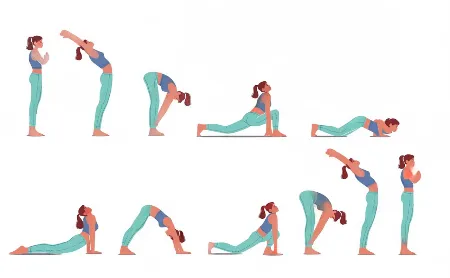
Surya Namaskar (Sun Salutations)
- Benifit
- Best Full-Body Fat Burner
- How to:
- Keep your arms folded.
- Bend backward and raise your arms.
- Try using your hands to touch your toes without bending your knees.
- Stretch your other foot back and place one knee forward while on your knees.
- Maintain a straight torso while standing on your hands and feet in a plank position.
- Place your chin on the ground while keeping your arms at your sides and just making contact with your knees and feet.
- Using your arm power, elevate your upper body while lying on your stomach.
- With your feet straight and your upper body just bent, stand up and bend forward to touch the ground with your hands.
- Stretch your other foot back and place one knee forward while on your knees.
- Try using your hands to touch your toes without bending your knees.
- Bend backward and raise your arms.
- Assume a namaskar position while standing with your arms folded.
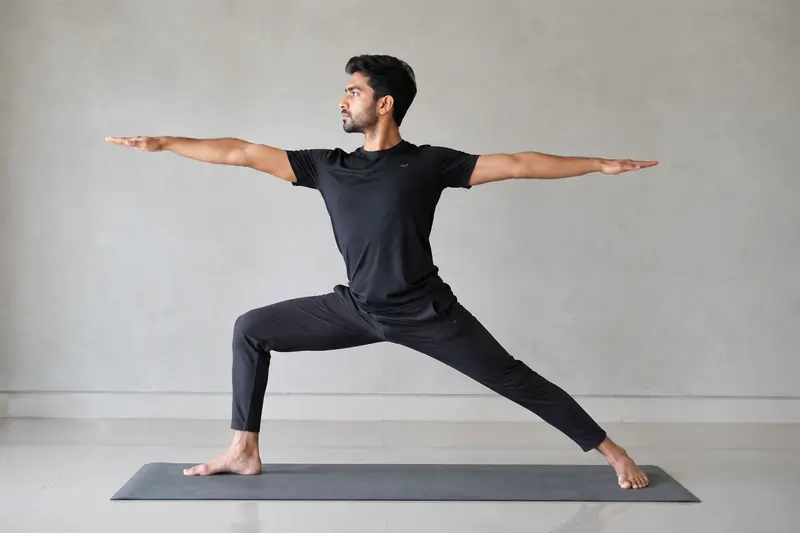
Virabhadrasana II Pose (Warrior II)
One of the most well-liked yoga stances is the warrior II pose, which is frequently featured in TV series and motion pictures. You may work out your lower body with this easy yet powerful workout. Additionally, it is a simple workout that gets harder the longer you practice it. The workout works your core, glutes, and legs.
- Benefit
- Lower Body Fat Loss
- How to do:
- Spread your legs wide as you stand.
- With your arms outstretched, bend your front knee.
- Hold the posture for a maximum of thirty seconds.
- Keep in mind to look ahead in the direction that your knee is pointing.
Phalakasana (Plank Pose):
As part of the Surya Namaskar weight loss workout, planks have already been described. However, given its effectiveness, it merits a special mention. Reducing abdominal fat is the primary goal of most people who desire to lose weight. That’s precisely what this workout helps with. As a bodyweight workout, the plank burns a lot of calories. Almost every part of your body is worked out in this isometric core-strengthening workout. But your abdominal muscles are its primary emphasis.
- Benifit
- Belly Fat Reduction

- How to do:
- Place yourself on the floor in the push-up position.
- Position your body in a straight line.
- Hold yourself in that position by using your core.
- Hold your planks for just ten seconds at first.
Utkatasana (Chair Pose)
The chair posture is exactly what it sounds like: you get into the position to pretend like you’re sitting on a chair while you’re not. The lower body muscles are highly activated by this exercise’s squat-like stance. This workout is known as a high-calorie burner since it increases the amount of calories your body burns.
- Benifit
- High Calorie Burner
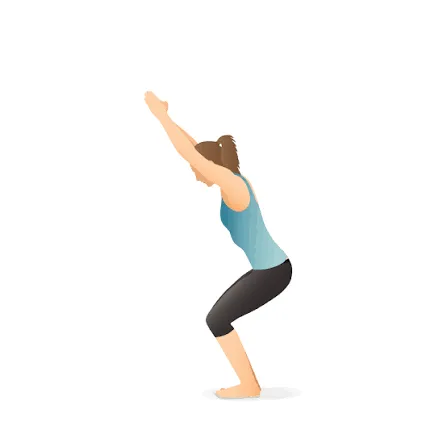
- How to do:
- Bend your knees.
- Retract your hips.
- Raise your arms.
- To begin, remain squatting for up to 30 seconds.
Navasana (Boat Pose):
Your core muscles will benefit greatly from this balancing yoga stance. It is an excellent workout to help you lose belly fat since it targets the fat in your tummy. This exercise’s primary goals are to tone your abdominal muscles and develop and activate your core muscles.
- Benifit
- Core Fat Targeting

- How to do:
- Stretch your legs out while sitting on the ground.
- Raise your legs.
- Stretch your arms while maintaining balance on your sit bones.
- Start by balancing yourself in this posture for up to 30 seconds.
Adho Mukha Svanasana (Downward-Facing Dog)
The Surya Namaskar weight-loss yoga practice included this posture as well. But like the plank, this exercise is worth mentioning on its own. Unlike some of the other tasks on this list, this one is straightforward. The entire body is strengthened and stretched in this fundamental stance.
- Benifit
- Full Body Activation

- How to do:
- Lift your hips and stand on your hands and feet.
- Make an inverted V shape with your body.
- Keep your feet level on the ground.
Setu Bandhasana (Bridge Pose)
An excellent exercise that works your lower back, core, and glutes is the bridge posture. It can help you get rid of the annoying back discomfort you experience from sitting at work every day. The workout also strengthens many of your body’s major muscle groups and increases your flexibility.
- Benifit
- Metabolism + Hormone Support

- How to do:
- Put your hands down.
- Raise your hips.
- As you raise your hips, try to grasp your ankles.
- Repeat after holding the posture.
Parivrtta Utkatasana (Twisting Chair Pose)
This is simply a twisted version of the chair stance, yet it’s really beneficial to you. In addition to strengthening your core, this yoga position aids digestion. Additionally, it increases your body’s metabolism, which facilitates fat burning when you’re at rest. The exercise is very simple to perform and stretches your back muscles, which is beneficial for those who lead sedentary lives.
- Benifit
- Core + Detox Boost

- How to do:
- Assume the chair position.
- Put your hands in a praying position.
- One by one, twist your torso in either direction.
What to Eat After Yoga for Weight Loss
- Getting a healthy lunch after yoga might be beneficial:
- Boosting glycogen
- Rebuild your muscle glycogen levels.
- Rehydrate your body.
- Maintain a balance of hunger hormones.
- Avoid too much food or needless snacking later
- The Best Time to Eat
- After finishing your yoga practice, try to eat within 30 to 60 minutes. Your body absorbs nutrients most effectively within this time.
- Well-rounded, nutritious meals
- Meals after yoga should consist of a variety of
- Greek yogurt, eggs, tofu, and lentils are examples of lean protein.
- Brown rice, sweet potatoes, and quinoa are examples of complex carbohydrates.
- Good sources of fat include avocados, nuts, seeds, and olive oil.
- Fruits, vegetables, and oats are sources of fiber.
- Examples of meals to eat after yoga:
- Quinoa and chickpeas with a dish of grilled vegetables
- Berries, chia seeds, and almond milk with oats
- Khichdi moong dal with sautéed greens
- Whole grain bread, boiled eggs, and tomato slices
- Spinach, banana, protein powder, and flaxseed smoothie
- These meals minimize unexpected cravings later in the day and keep you fuller for longer.
- Meals after yoga should consist of a variety of
Special Tips for Yoga Weight Loss Diet
- Take a Sattvic Perspective
- Vegetables and fruits
- Whole grains
- Seeds and nuts
- Teas made with herbs
- Ghee and natural oils
- Caffeine, beef, garlic, onions, alcohol, and processed meals are examples of rajasic (overstimulating) and tamasic (heavy, dulling) foods that are avoided.
- Eat with awareness
- Chew carefully.
- Eat without being distracted by your phone or TV.
- Recognize your hunger signals
- When you are 80% full, stop eating.
- Drink enough water throughout the day.
- The metabolism of fat depends heavily on hydration.
- During the day, drink warm water, and after meals, think about adding herbal detox teas like tulsi, ginger, or cinnamon.
Integrating Yoga and Diet into Your Lifestyle
- Developing a Yoga Practice
- Morning Practice: To increase energy and metabolism, perform five to ten rounds of Surya Namaskar first thing in the morning. Morning yoga improves fat-burning throughout the day, according to a 2021 study published in the International Journal of Yoga Therapy.
- Consistency: Mix Surya Namaskar with other positions, such as Plank and Warrior II, for 30 to 60 minutes every day or three to five times a week.
- Progression: Beginners begin with two to three rounds of Surya Namaskar and increase by one to two rounds per week. Expert practitioners should aim for 12 to 15 rounds.
- Setting: Use a yoga mat for comfort and grip while practicing in a calm, well-ventilated area.
- Sleep and Stress Reduction
- Sleep for seven to eight hours each night. A 2019 study published in Sleep Medicine connected hormonal abnormalities brought on by insufficient sleep to weight gain. Surya Namaskar and other forms of yoga encourage relaxation, which enhances the quality of sleep.
- Stress Reduction: To reduce cortisol after Surya Namaskar, engage in deep breathing exercises or meditation. According to a 2020 Psychoneuroendocrinology study, mindfulness lowers stress-related eating.
- Journaling: To maintain motivation and see trends, keep track of your meals, yoga sessions, and mood.
- Development of a Support Network
- Join a Community: To stay inspired, go to yoga sessions or online forums. Your Surya Namaskar technique can be improved by qualified instructors.
- Accountability Partner: Share your goals with a friend or family member to ensure consistency.
- Professional Advice: For individualized strategies, see a yoga therapist or nutritionist.
FAQs
Does yoga do enough to lose weight?
If you know how to do it properly, yoga can help you lose weight. Certain yoga positions work your massive lower body muscles and your core muscles. You may lose weight by increasing your body’s metabolism with these activities.
How many times a day do you perform Surya Namaskar?
Surya Namaskar should be performed twice or three times a day. The 12-step program is the ideal technique to begin working out. Before attempting further yoga positions, it is simple to master the Surya Namaskar. Increase the number of rounds you execute as you become more at ease.
Which diet is most effective when combined with yoga?
A yoga-friendly diet is ideal for yoga practice. Your yoga-friendly diet should, on average, consist of 40% carbohydrates for energy during the day, 30% protein to sustain muscle mass and aid in yoga-induced healing, and an additional 30% fat to enhance satiety and balance your hormones.
When is the best time to practice yoga to lose weight?
Yoga is best done in the morning, right before breakfast, if you want to reduce weight. This is due to the fact that the benefits of a healthy metabolism in the morning might help you resist cravings throughout the day and maintain your diet. Doing yoga first thing in the morning also helps you feel more optimistic and less stressed throughout the day.
References
- MASSH. (2025). 8 Best Yoga Poses and Diet Plan for Weight Loss. MASSH. https://massh.in/blogs/8-best-yoga-poses-and-diet-plan-for-weight-loss
- Unlimitr. (n.d.). Yoga Diet for Weight Loss: Foods to Eat & Avoid Before & After. Unlimitr. https://unlimitr.com/blog/yoga-diet-for-weight-loss-foods-to-eat-avoid-before-after