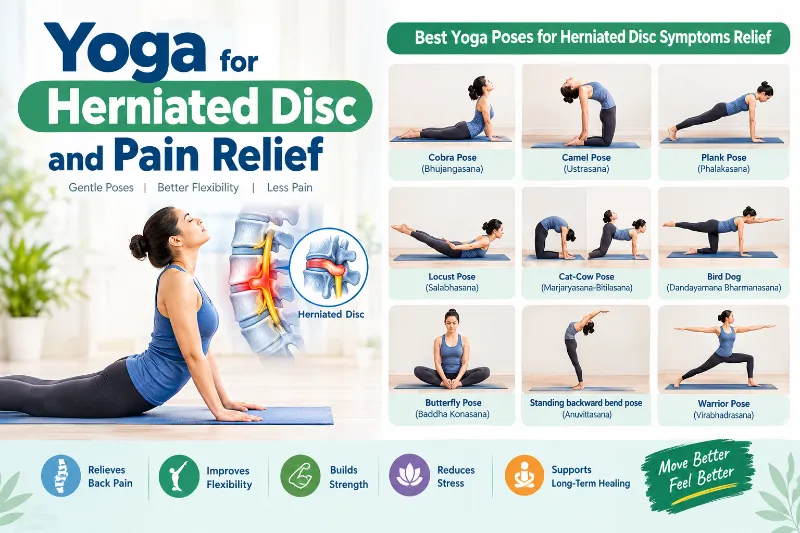
Yoga for Herniated Disc and Pain Relief
Intorduction
A herniated disc can cause chronic back pain, stiffness, numbness, or tingling that can spread to the hips or legs, making daily tasks difficult.
It happens when the soft inner portion of a spinal disc pushes through the sturdier outer layer, putting pressure on nearby nerves. While medical treatment, physical therapy, and lifestyle modifications are frequently required, yoga can be an effective supplemental practice for symptom management and increasing general spinal health.
- The correct yoga poses can help reduce muscular tension, enhance flexibility, strengthen the core, and encourage better posture, all of which can support the spine and relieve strain on afflicted discs. Gentle, controlled motions also improve blood circulation and body awareness, allowing many people to move more comfortably and confidently.
- However, not all yoga poses are suitable for a herniated disc. Certain deep forward bends, twisting motions, and high-impact poses may exacerbate symptoms, so practice responsibly and listen to your body.
- This article will teach you about some of the greatest yoga postures for herniated disc symptom relief, including beginner-friendly stretches and strengthening exercises that can help eliminate pain and increase mobility.
- Always consult with your doctor or a certified physical therapist before beginning a new exercise plan, especially if you have severe pain, considerable weakness, or symptoms that worsen with movement. With adequate instruction and persistent practice, yoga can become a safe and effective component of your recovery and long-term back care regimen.
What is a Herniated Disc?
- A rubbery or jelly-like substance spreads from the inner ring through the outer ring of the disc in a chronic medical disease known as a slipped disc or herniated disc.
- This results in severe back pain. Sometimes compresses surrounding nerves, which results in numbness and pain in the legs and hip joints.
- A slipped disc can happen for several causes, such as poor sitting and standing posture, any kind of injury, strange bodily motions, etc.
What are yoga’s benefits for those with herniated discs?
According to research, yoga can treat disk herniation symptoms and chronic low back pain just as well as physical therapy. Yoga’s holistic approach is its special strength. In order to address pain utilizing neuro-psychological techniques, it encourages awareness and harmonizes mental and physical health. Additionally, yoga treatment enhances the following:
- Posture alignment
- Strength in all of the body’s muscles
- Improved circulation
- Lessened tension in the lumbar spine
- Improved flexibility
- Aided in the healing process.
How to do yoga while you have a herniated disc?
It’s crucial to be kind to yourself when doing yoga if you have a herniated disc. Concentrate on stretching and strengthening the body without creating tension.
Always pay attention to your body, modify your poses or utilize props when needed, and change the intensity of your practice as needed. By performing activities that support the intervertebral disks, you can help your spine repair. Effective symptom management can be achieved with a knowledgeable yoga practice.
Recognize when to stop and when to continue through pain
Balance is emphasized in yoga therapy, which also promotes not ignoring or overcoming pain. Stop right away and take a break if a yoga stance is causing you a lot of pain, tingling, or numbness. You can also talk to a yoga instructor about ways to make the pose more comfortable.
Consider your yoga mat as a space to investigate and understand the sensations in your body. Managing chronic pain is greatly aided by this knowledge. It teaches you how to do yoga safely and mindfully.
Pay attention to your breathing.
In yoga, controlling your breathing is crucial. It supports each stretch and aids in cautious movement. Inhaling air is only one aspect of breathing. You feel calmer and more at ease with every breath.
The vagus nerve is triggered when you concentrate on your breathing. This may aid in physical relaxation and is a component of the parasympathetic nervous system. You will notice the advantages of doing yoga gently and deliberately as your back pain lessens and your muscles relax.
Best yoga poses for herniated disc symptoms relief:
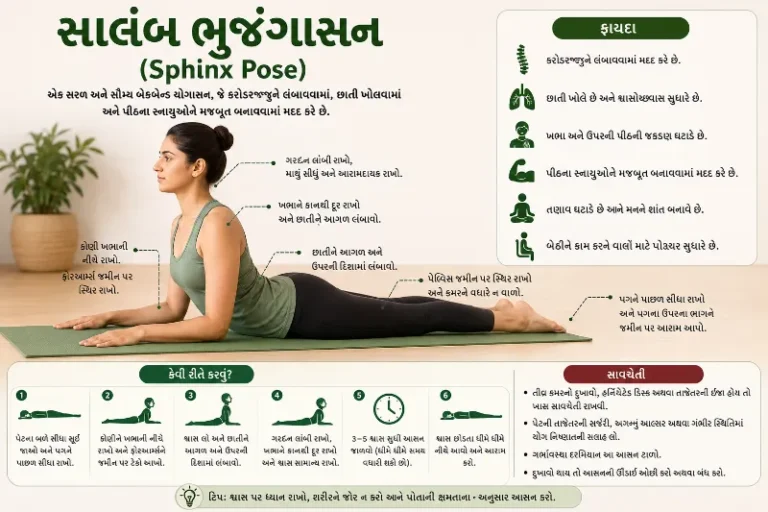
Cobra Pose (Bhujangasana):
This higher level of extension helps to drive disc material back towards the core of the intervertebral disc, reducing discomfort sensations.
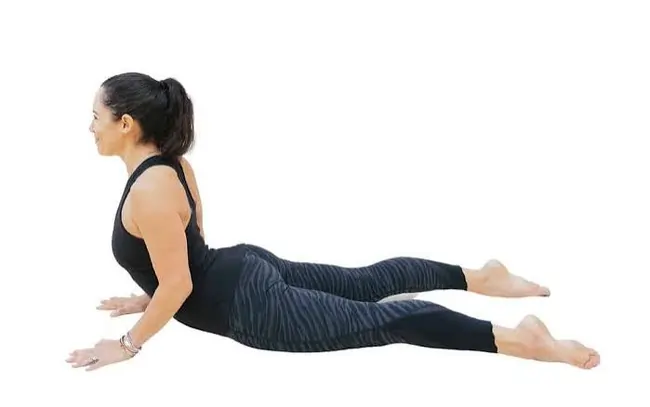
How to do it:
- Begin this exercise by lying on your stomach in the prone position (facing down) and slowly pressing up on your hands, keeping your pelvis in contact with the floor and your lower back relaxed.
- Hold the prop-up position for ten seconds.
- Aim for 10 repetitions of this stretch.
- If it feels comfortable, try holding this stance for extended periods of time (20-30 seconds).
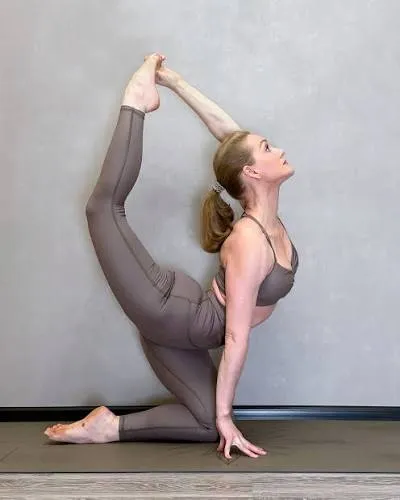
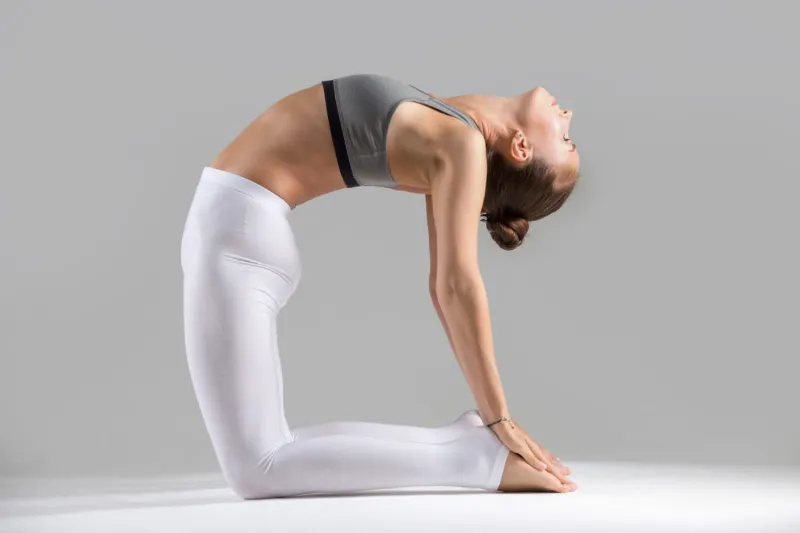
Camel Pose (Ustrasana):
In more than improving general posture, the Camel Pose (Ustrasana) is vital for extending and strengthening your shoulders and lower back. In both improving the effectiveness of the lower abdominal organs and permitting unrestricted prana passage throughout the body, it also strengthens the hip and back muscles and lessens hernia-related pain.
How to do it:
- It engages the ground, legs, knees, and the floor.
- Next, straighten your shoulders and knees while maintaining your hands on your hips.
- Take a deep breath, tilt your back, and use your hands to balance your feet.
- Hold this position for one minute or as long as you can, then slowly return your back to an upright position, relaxing the legs and hands as well.
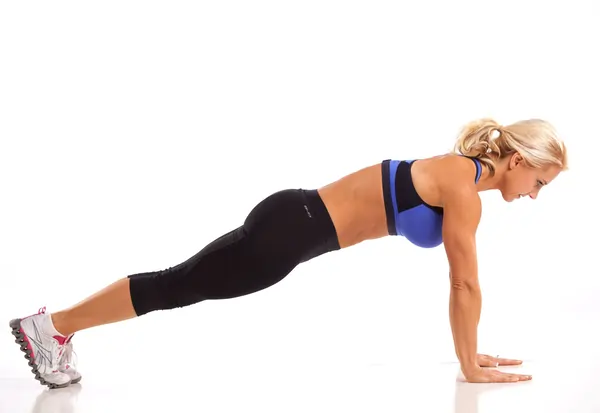
Plank pose (Phalakasana):
This exercise is great for developing your deep core and gluteal muscles.
How to do it:
- Begin resting on your stomach, forearms against the mat.
- Engage your core and elevate your body till you are resting on your forearms and toes.
- Maintain a neutral spinal position (no drooping in the low back or elevating the buttocks in the air).
- Hold the plank position for 20-30 seconds, then lower to the floor.
- Aim for two to five repetitions of this exercise.
- Throughout the workout, keep your back straight.
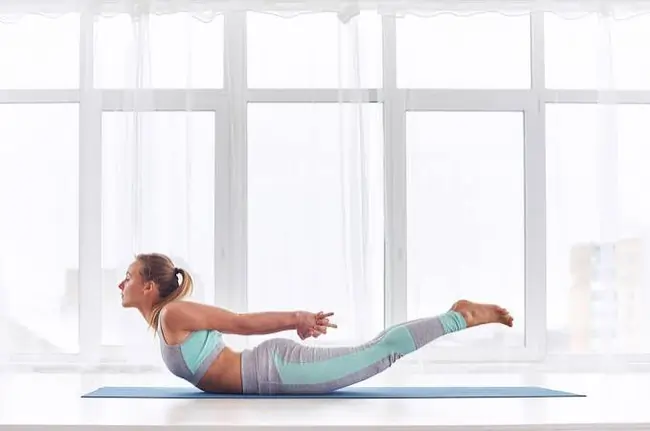
Locust Pose (Salabhasana):
Your thighs, glutes, and spine are all strengthened by this pose. It stabilizes your lower back and core. Additionally, it increases hip flexibility and circulation.
How to do it:
- With your fingers linked at the base of your spine, lie on your stomach.
- Slowly raise your head, torso, and arms as high as you can.
- Lift your arms and extend them out from your body.
- To get deeper, raise one leg at a time or both of your legs.
- Exercise your glutes, lower back, and abdominal muscles.
- Hold for no more than 30 seconds.
- Return to the beginning posture after releasing the stance.
- Gently move your hips from side to side.
- As you take a few deep breaths to relax.
Do this one or two times.
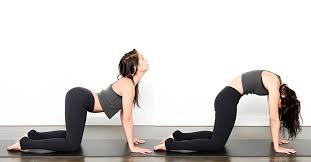
Cat-Cow Pose (Marjaryasana-Bitilasana):
This is one of the most common herniated disc workouts. The cat-cow stretch, which combines two yoga poses, can help reduce strain on the ruptured disc by increasing the intervertebral disc space. It also promotes spinal mobility, which may help decrease disc herniation discomfort and speed up recovery.
How to do it:
Begin the stretch on your hands and knees. Inhale and let your stomach “drop” to the floor while you stare up at the ceiling.
- Exhale and gradually round your spine, pressing into the floor with your hands and softly curving your neck to stare at your feet.
- Aim for 10 repetitions of this stretch across 2-3 sets.
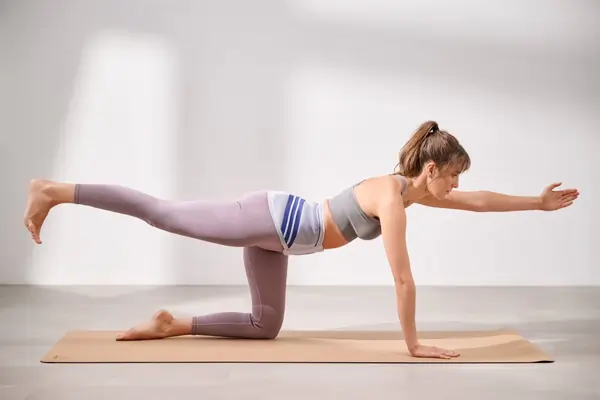
Bird Dog (Dandayamana Bharmanasana)
This is an excellent workout for developing core strength and lumbar back muscles.
How to do it:
Put your hands under your shoulders and your knees under your hips to start on your hands and knees.
- Brace (contract) your core as hard as possible before initiating any movement.
- While bracing your core, raise your left arm and reach it forward until it is aligned with your body. At the same time, kick your right leg backward until it is aligned with your torso.
- Do not twist your lower back while doing this.
- Maintain this position for 2-3 seconds before gradually returning to the beginning position.
- Repeat for your right arm and left leg.
- Repeat 10 times, alternating sides.
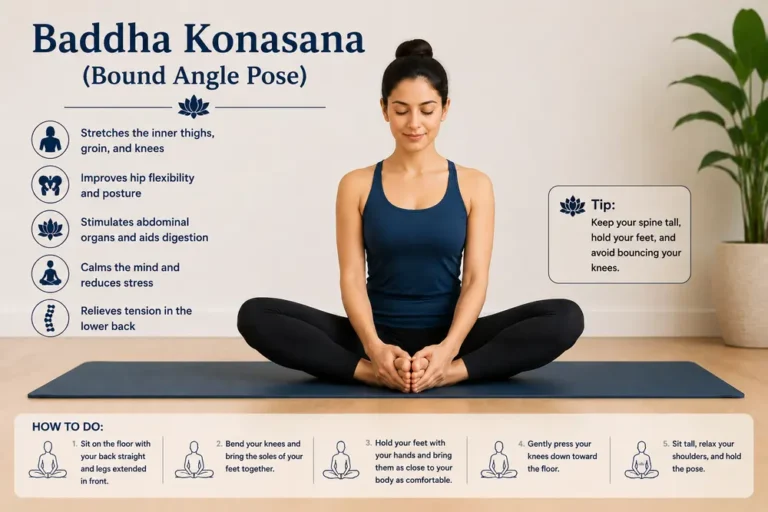
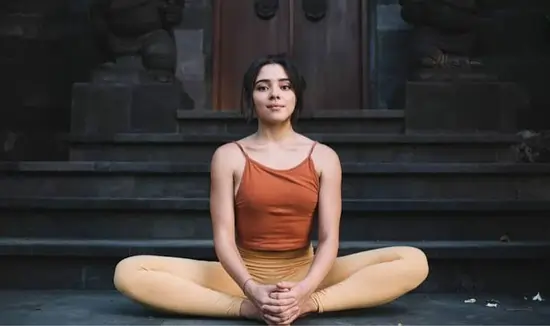
Butterfly Pose (Baddha Konasana)
Butterfly pose is the process of the foundation of the installation of a form of a pivational hips. It is also remarkably beneficial in stretching the inner thighs, knees, and groin, and is good in remedying hernia pain.
How to do it:
- Sit upright on the ground.
- While exhaling, fold your legs close to your body so that the soles of each foot contact each other face to face.
- Extend your knees to the sides. Hold your feet’ thumbs while making sure the soles of your feet stay in contact with one another and are constantly set in place.
- Make sure your shoulders are firmly pressed to the back, and the torso is stretched through the top of the sternum after you are comfortable in the position.
- Breathe in and out normally now.
- Repeat this pose five times after holding it for a minute and taking a 30-second break.
Standing backward bend pose or (Anuvittasana):
This standing extension assists in neutralizing the hunching you perform every day. This stretch aids in returning the disc to its neutral position because the majority of bulging discs and herniated discs are brought on by incorrect posture and repeated flexing of the spine, particularly bending forward.

How to do it:
- Start this workout by standing.
- Now, with the help of your hands, press your pelvis forward and lengthen your spine back.
- To face the ceiling, follow the extension with your neck.
- Perform two to three sets of ten repetitions at first.
- When you need a break from sitting at your work, this one is really fantastic.
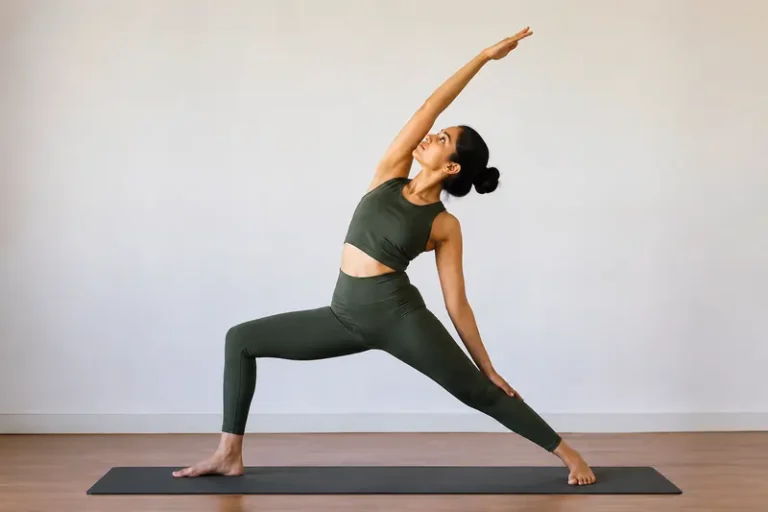
Warrior pose (Virabhadrasana)
The warrior pose works well for strengthening the muscles in the lower limbs and enhancing the body’s balance and stability. It also helps to prevent recurring hernia.

How to do it:
- Maintain a straight posture while keeping your legs three feet apart.
- Turn your right foot in by roughly 15 degrees and your left foot out by 90 degrees.
- Your arms should remain parallel to the floor. While exhaling, bend your left knee.
- Turn your head to the left.
- Try to push your pelvis down gently.
- As you descend, continue to breathe normally.
- As you inhale, raise your hands, and as you exhale, lower them to the sides.
- Do this five times.
How to include yoga in a back pain treatment regimen?
Including yoga in your treatment plan is a multidisciplinary strategy that addresses the psychological as well as the physical components of your pain.
This includes modifying your lifestyle to meet your needs, retraining your pain response, and using medicine as an enabler to help you manage your symptoms. You can get individualized advice and assistance from a yoga instructor.
Role of medicine as a facilitator
Ibuprofen and other nonsteroidal anti-inflammatory medications (NSAIDs) can help ease back pain and reduce inflammation. Your doctor may recommend additional drugs if your pain is severe. These can include stronger painkillers like opioids, which can offer more substantial relief, or muscle relaxants.
But it’s crucial to realize that these drugs are only one component of your total course of treatment. They are not a long-term fix. The central nervous system of your body may be impacted by prolonged use of any medicine. Your body may grow used to these medications over time, requiring larger dosages to produce the same level of pain relief.
Complete Contraindications
- Deep forward folds: Maximum disk compression should be avoided during the healing process.
- Aggressive turns: Rotates the herniated nucleus; never recommended
- Backbends that are not supported: Increase nerve compression and make significant changes
- Heavy lifting: Compression of the healed disk vertically
- High-impact, bouncing, and jumping can cause the disk to re-herniate.
What to Expect in the Days to Come
- Early weeks: As the body adjusts, acute pain may initially fluctuate; consistency is more important than intensity.
- The weeks that follow: As moderate practice continues, many people experience modest improvements in movement and sleep.
- During the following months: Along with their doctor’s advice and any further treatments they are undergoing, some people see a return to more typical activity levels.
- Extended duration: Every recovery journey is unique, and neurological symptoms (tingling, numbness) frequently take longer to improve than pain.
Crucial Information:
A herniated disk has no set recovery time, and yoga cannot replace a medical diagnosis or course of therapy. Even though the herniated disk material might not completely reabsorb, many people experience a gradual improvement in their nerve-related symptoms over time due to a variety of factors, such as decreased inflammation and gradual adaptation. Regarding your particular diagnosis, always follow your doctor’s advice.
Your Way to a Secure, Assisted Recovery
Although a ruptured disk is unpleasant, many people eventually learn effective coping mechanisms. When done regularly and carefully, yoga may be a truly helpful component of that; it should be used in addition to your doctor’s care rather than in place of it.
Early, compassionate intervention, patience, and consistency are crucial. It takes time for your neurological system to reduce pain signals, for inflammation to go away, and for your core muscles to fortify and stabilize your spine.
A safe, individualized practice can play a significant role in your recovery journey, even if each one is unique and has no set timetable or outcome.
FAQs
Can yoga fix a herniated disc?
Yoga cannot permanently “cure” the physical structural damage caused by a herniated (slipped) disc. It is a fantastic tool for naturally managing pain, easing nerve pressure, and preventing re-injury because it safely stretches and strengthens the core and spinal muscles.
Is yoga good for an L4-L5 disc bulge?
Yoga can be quite good for a L4-L5 disc bulge, as it relieves strain and builds core strength. However, you should avoid poses that require significant forward bending or twisting, as these can exacerbate the bulge. Always speak with a physical therapist before starting.
Can yoga repair nerve damage?
Yoga cannot directly treat or reverse severe nerve injury because peripheral nerves recover slowly and sometimes not at all. However, it is a very effective supplementary therapy for symptom management. Yoga can considerably reduce neuropathy pain and improve mobility by increasing blood flow, reducing inflammation, and regulating the nervous system.
Is yoga good if you have a herniated disc?
This change is important since not all yoga poses are safe for people with herniated discs. However, even modest forward bending may worsen nerve compression for many individuals with a herniated disk, according to yoga experts.
Can an L4-L5 disc bulge get back to normal again?
With conservative treatment, which includes rest adjustments, focused physical therapy exercises, and pain management techniques, many patients with a bulging disk at L4-L5 have improvement in 4–8 weeks. Your body has less harm to mend because bulging disks haven’t totally burst through the outer disk wall.
What exercises can I do to relieve pain caused by a herniated disc?
Enhanced Mobility and Flexibility
For instance, it has been demonstrated that hamstring stretches help people with lumbar radiculopathy (nerve root pain) brought on by herniated disks experience less pain and reduced mobility. Stretches like cat-camel and hamstring stretches help increase range of motion and spine flexibility.
References:
- McQuilkie, S., DC, & McQuilkie, S., DC. (2023, July 3). 7 Herniated disc exercises & stretches for lower back. Back Intelligence (Creators of PostureFlow App). https://backintelligence.com/herniated-disc-exercises/
- MoreGoodDays. (2024). Gentle Movements: Yoga for Herniated Disc Recovery. MoreGoodDays. https://www.moregooddays.com/post/yoga-for-herniated-disc
- Team Setu Yoga Studio. (2026). Yoga for Herniated Disc: Complete Guide to Safe Practice | Setu Yoga Studio™. Setu Yoga Studio™. https://www.setuyoga.com/blog-yoga-for-herniated-disc.html
- MoreGoodDays. (2024, October 16). Gentle Movements: yoga for herniated disc recovery. https://www.moregooddays.com/post/yoga-for-herniated-disc
- Yoga for slipped disc L4 L5, practicing yoga for herniated disc. (2024, March 18). Live With Yoga. https://livewithyoga.org/yoga-for-slip-disc/