
Utkata Konasana (Goddess Pose)
What is Utkata Konasana?
Utkata Konasana, also known as Goddess Pose, is a powerful standing yoga posture that strengthens the legs, hips, and core while improving balance and stability. It can also help open the hips, encourage better posture, and build lower-body endurance.
Pronounced oot-KAH-tah koh-NAH-sah-nah, Utkata Konasana is derived from the Sanskrit words utkata, which means powerful, ferocious, or intense, kona, which means angle, and asana. The posture’s association with the shakti (divine feminine force) goddess figures of the Hindu tradition, whose imagery frequently features strong, wide-legged positions, is reflected in the English term Goddess Pose. The posture is also known as Goddess Squat or Fierce Angle posture, both of which describe how strong and open it is at the same time.
Utkata Konasana, also known as the Goddess Pose, is a wide-legged squat that strengthens the quadriceps, glutes, inner thighs, and pelvic floor while also increasing hip external rotation flexibility and powerful standing posture. The commanding, expansive aspect the pose creates—a broad, grounded power stance that practitioners frequently characterize as boosting confidence—is reflected in the goddess name. This thorough book covers utkata konasana’s advantages, technique, and modifications.
Utkata Konasana is a wide-legged standing squat where the toes are turned outward at a 45-degree angle, and the knees track over the toes in a deep hip external rotation. Usually, the arms are pulled together overhead or lifted to the cactus position (elbows at shoulder height, bent 90 degrees). By combining the quadriceps and glute loading of a squat with the hip external rotation and inner thigh opening of a wide-legged standing pose, the pose produces the advantages of utkata konasana. As a result, hip flexibility and lower body strength increase together. This results in the simultaneous development of hip flexibility and lower body strength.
Goddess Pose is a fundamental power pose and an important hip opener in the larger yoga system. It is often used as an empowerment exercise that is taught specifically for its psychological effects of strength and grounded confidence, as well as a hip-opening transition and a standing break in between demanding repetitions. The goddess position twist variation enhances the standing squat’s physical and energy impact by adding spine rotation.
Key Highlights
- It got its name from its association with wide-legged goddess imagery, shakti, and divine feminine force.
- Forward-facing squats underload the gluteus medius, which is specifically loaded by the 45-degree toe angle.
- In Vinyasa and Power Yoga sessions, it is frequently utilized as a standing pause in between intense poses.
- The broad, anchored stance is frequently described by practitioners as boosting confidence.
- The twist variation increases the energy and physical impacts by adding spinal rotation.
- Integrates lower body strengthening in the form of a squat with wide-legged hip external rotation.
Utkata Konasana Benefits
Benefit 1: Strengthens the inner thighs, quadriceps, and glutes
Utkata Konasana develops the lower body strength needed for everyday tasks, athletic performance, and functional movement by loading the quadriceps, gluteus maximus, gluteus medius, and hip adductors in the wide-squat posture. Because the wide-legged squat angle specifically stimulates the gluteus medius and hip adductors, which are underloaded during typical forward-facing squats, utkata konasana offers particularly substantial benefits for lower body strength.
Benefit 2: Flexibility in the inner thigh and deep hip external rotation
Goddess Pose’s wide-legged, toes-out position necessitates and promotes deep hip external rotation in addition to inner thigh lengthening. This combination enhances hip mobility overall and lessens the tension in the inner thigh and groin caused by a sedentary lifestyle. Over the course of many weeks, regular utkata konasana practice significantly expands the hip’s external rotation range, making all seated cross-legged and forward fold yoga poses more accessible.
Benefit 3: Improves Pelvic Floor Strength and Awareness
Utkata Konasana’s wide-legged squat stance is the most approachable practice for pelvic floor awareness. Because it causes hip external rotation and mild pelvic floor loading, the goddess pose squat position is especially suggested for pelvic floor health in pregnant yoga and postpartum recuperation. In the research on yoga treatment, utkata konasana’s advantages for pelvic floor function are among its most therapeutically distinctive.
Benefit 4: Cultivates Strength, Confidence and Empowerment
Goddess Pose is a strong, expansive pose that cultivates the grounded empowerment that the goddess figures of yoga’s symbolism stand for. It includes standing in a stance of both strength and openness and occupying space with assurance. One of the most frequently mentioned non-physical benefits of regular Goddess Pose practice is the boost to confidence and self-efficacy that utkata konasana offers.
Benefit 5: Builds Resilience through Challenge
A held Utkata Konasana’s sustained quadriceps burn cultivates the mental skill of remaining in the now and overcoming adversity—the particular resilience that results from persistent effort through discomfort. One of the more subtle and genuinely beneficial effects of Utkata Konasana for mental development is the ability to accept challenges with calmness rather than avoidance.
- Utkata Konasana is the most precise standing yoga pose accessible for full lower body strength development since wide-stance squat poses activate the hip abductor and adductor much more than standard stance squats.
- Utkata Konasana’s turned-out foot stance necessitates and gradually develops hip external rotation, which enhances Malasana depth, guards against IT band syndrome, and supports the functional hip mobility needed for the majority of sports activity.
- The wide-legged squat position of Utkata Konasana activates the pelvic floor using a similar method as Malasana: deep hip flexion and external rotation result in levator ani engagement that is not achievable with upright standing or most other exercises.
- Wide, expansive body postures lead to quantifiable increases in confidence, stress tolerance, and feelings of personal power—the physiological foundation of the “Goddess” quality the pose is named for—according to research on power posture and psychological states.
- Utkata Konasana’s quad burning, which is held for ten or more breaths, calls for active engagement with discomfort. This builds resilience and the ability to remain present under physical hardship, which translates to stressful situations in both personal and professional life.
How to Do Utkata Konasana — Step-by-Step Instructions
Key Principles
The most crucial alignment rule for Utkata Konasana is that the knees must stay exactly above the toes throughout the pose. The knees must always follow the same outward angle when in the wide-toes-out position; they cannot collapse inward. This knee tracking protects the medial knee ligaments from the combined weight and angle demands of the deep wide squat.
Step 1: Stand with Feet Wide
Place your feet about 3 to 3.5 feet apart; they should be wider than hip-width but not so wide that the knees can’t easily pass over the toes. Turn the toes outward to about 45 degrees to create the position’s external rotation basis. First, place your hands on your hips to feel the pelvic position.
Step 2: Check knee alignment and turn your toes out.
Verify that the knees and toes are pointed precisely in the same direction; the knees should pass over the second and third toes. If the knees collapse inside the toe line, the feet are turned out too far for the current hip external rotation range. Until the knee can properly track over the toe, decrease the toe-out angle.
Step 3: Bend the Knees into the Squat
As you bend your knees, lower your hips to the usual Utkata Konasana depth of the knees. The torso doesn’t tilt forward; it stays upright. The inner thighs turn outward, and the sit bones get bigger. To keep the hip external rotation pattern during the descent, push the knees outward (toward the tiny toes).
Step 4: Establish the Arm Position
With your elbows bent to a 90-degree angle and your palms facing forward, raise your arms to the cactus position. Open the anterior chest in the same powerful pattern that the broad stance of the lower body provides by drawing the shoulder blades nearer one another. For a more powerful shoulder girdle engagement, push your palms together overhead.
Step 5: Final Position and Hold
When performing the full Utkata Konasana, the hips are about knee height, the knees are tracking over, the arms are in a cactus, the chest is open, and the torso is erect; the toes and the gaze are ahead. Hold for five to ten deep breaths. Feel the lower body burning; regular Goddess Pose practice creates strength benefits by loading the quads and glutes.
How to Get Out of Utkata Konasana in Step Six
To stand again, forcefully press through both feet and straighten your knees. When you exhale, lower your arms. Return the feet to hip-width and take three to five breaths before repeating or going on to the next position. The quadriceps may need to stand for 30 to 60 seconds after a deep hold before performing another squat.
Breathing in Utkata Konasana
During the hold, maintain full, steady nasal breathing. The inhalation creates lift through the spine and maintains the body upright, while the expiration deepens the external rotation and expands the sitting bones. Never hold your breath, especially during the difficult quadriceps burning that happens after holding it for more than thirty seconds.
Preparatory Poses Before Utkata Konasana
- In the same wide-legged pose, Prasarita Padottanasana (Wide-Legged Forward Fold) releases the inner thighs.
- Baddha Konasana (Bound Angle) helps increase hip external rotation flexibility toward the Goddess Pose angle.
- When standing, Warrior II heats the quadriceps and external rotators of the hips.
- Hip Circles in Standing: This exercise works the hip joints prior to the demands of a prolonged squat.
Variations of Utkata Konasana
First variation: Beginner’s Utkata Konasana with Hands at Heart
Anjali Mudra’s hands at the chest, as opposed to cactus arms, lessens the strain on the upper body and permits complete concentration on the alignment of the lower body during the first phases of Goddess Pose practice.
Variation 2: Parivrtta Utkata Konasana, or Goddess Pose Twist—Intermediate
Twist the torso from full Goddess Pose by reaching upwards with one arm and bringing one elbow toward the opposing knee. The basic posture’s lower body strength is enhanced by the Goddess Pose Twist, which also provides thoracic rotation and oblique activation.
Variation 3: Utkata Konasana with Heel Raises (Advanced)
Rise onto the balls of your feet from the full squat position, keeping your deep squat depth while simultaneously elevating both heels. enhances balance and strength in the calves in addition to hip opening.
Common Mistakes to Avoid in Utkata Konasana
Mistake 1: Knees Collapsing Inward
The MCL and medial knee structures are stressed by the most serious alignment error, medial knee collapse, when broad stance and squat depth are combined. Actively press the knees outward toward the small toes for the duration of the hold. If knees cannot track over toes, reduce the foot-turn-out angle.
Mistake 2: Leaning Forward from the Hips
The weight is transferred from the glutes to the lower back when the torso leans forward instead of staying upright. The erect torso is necessary for the benefits of utkata konasana for glute growth; if you have trouble staying upright, start by using a wall behind you.
Mistake 3: Insufficient Hip Depth
Standing at only partial squat depth (knees at 120+ degrees) significantly reduces the quadriceps and glute stress that produces Utkata Konasana’s strength benefits. For the maximum advantages of Utkata Konasana, work your way toward thighs parallel to the floor, gradually increasing depth over several weeks.
Mistake 4: Collapsed Chest in Cactus Arms
When the arms are in the cactus position and the chest folds forward, the advantage of anterior chest opening is gone. Raise the sternum and bring the shoulder blades closer together while engaging the arms.
Who Should Practise Utkata Konasana?
Those Seeking Lower Body Strength at Home
The wide-squat stance of Utkata Konasana greatly loads the quadriceps, glutes, hip adductors, and gluteus medius, offering the most complete lower body strength stimulation accessible in a single yoga standing pose. Over several weeks, daily Goddess Pose practice results in quantifiable improvements in lower body strength.
Women Seeking Hip Opening and Pelvic Floor Benefits
Utkata Konasana is especially advised in prenatal yoga and women’s health programs due to its pelvic floor awareness and activation. The benefits of utkata konasana for pelvic floor health and hip external rotation are especially applicable to women of all life stages.
Is Utkata Konasana Good for Beginners?
Yes, Utkata Konasana is doable from the very first yoga practice thanks to the hands-at-heart adjustment and shallower squat. Start with a 90-degree knee bend and progressively increase depth.
Working Professionals Seeking Efficient Lower Body Training
During a morning online or offline session, three sets of 60-second Utkata Konasana holds offer complete lower body strength training—no gym, no equipment, and maximal lower body stimulus in less than five minutes of targeted pose practice.
Many people are developing healthier behaviors every morning. Live everyday meetings. Real-time adjustments. Anytime you want to cancel.
FAQs
What is Utkata Konasana?
One of the classic yoga poses is Utkata Konasana. For its whole Sanskrit derivation, English name, meaning, and position within the yoga system, see the section above titled “What is Utkata Konasana?”
Is Utkata Konasana Good for Beginners?
Yes, provided the necessary adjustments are made as outlined in the Variations section. With real-time adjustments from the first class, Habuild’s live sessions benefit all skill levels.
How does Utkata Konasana differ from other similar standing yoga postures?
The Variations section discusses important distinctions. These variations are explained throughout the entire posture family using instruction.
Can Utkata Konasana Help with Weight Loss?
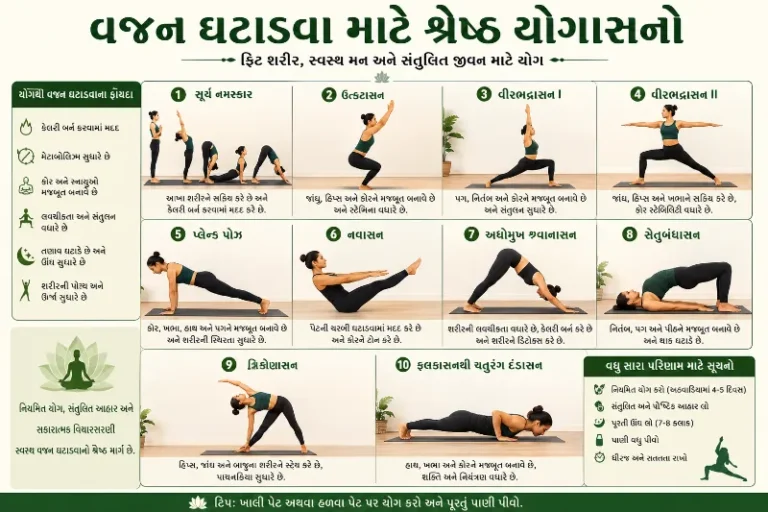
Through increased metabolism, cortisol decrease, and the caloric expenditure of a daily yoga program paired with Surya Namaskar, yoga practice, especially Utkata Konasana, helps manage weight.
How Many Calories Does Utkata Konasana Burn?
Depending on intensity, a full 45-minute practice that includes Utkata Konasana burns 200–350 calories; post-session EPOC adds even more energy.
How Often Should I Practise Utkata Konasana?
The best outcomes come from regular practice. Habuild provides live sessions at 6:00 AM, 7:00 AM, 6:00 PM, and 8:00 PM IST, seven days a week.
What Should I Wear for Yoga Class?
Bare feet, stretchy, comfy clothes, and a yoga mat for at-home practice.
Can I Practise Utkata Konasana at Home Online?
Yes, all online sessions are live online classes with real-time form corrections that can be accessed from home.
References
- Zehra, S. (2026, August 11). Utkata Konasana (Goddess pose): Steps, benefits and precautions | HABuild. Habuild Blogs. https://habuild.in/habitology/asana-mudra/utkata-konasana/
- Yogamatters. (n.d.). Goddess Pose (Utkata Konasana). https://www.yogamatters.com/blogs/poses/goddess-pose-utkata-konasana
- Megan. (2022, July 29). THE STORY OF UTKATA KONASANA | The pose of Goddess Kali. Yogatrotter Academy. https://www.yogatrotter.com/the-story-of-utkata-konasana-the-pose-of-goddess-kali/